Pará State Ranks Fifth Nationally for Heat Sources Amidst Rising Forest Fires
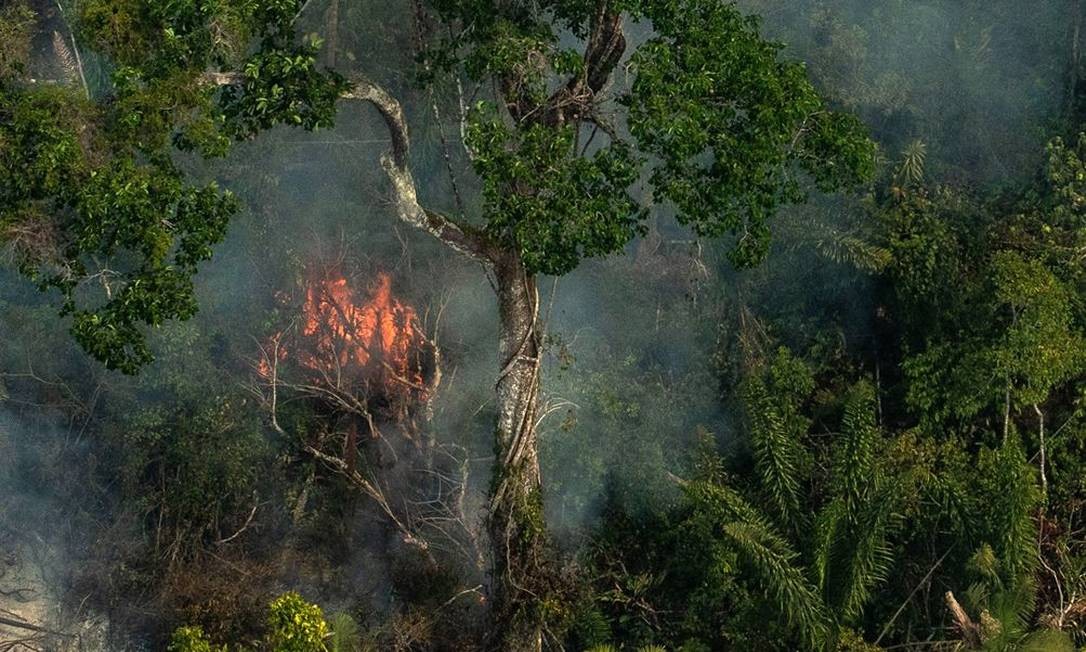
Between July 5th and 11th, the Brazilian state of Pará recorded 115 heat sources, placing it fifth among all Brazilian states for the highest number of forest fire incidents during that week. Nationally, Brazil registered a total of 1,153 heat sources in the same period. Tocantins led the ranking with 227 incidents, followed by Mato Grosso with 181, Bahia with 122, and Maranhão with 119. The data, compiled by the Ministry of Health from a weekly report on Forest Fire Monitoring for Health Surveillance, aims to guide the Unified Health System (SUS) in addressing the health impacts of these fires. Specifically, the municipality of Altamira in southwestern Pará was identified as the third-highest in Brazil for heat sources, with 30 recorded incidents. It trailed only Paranatinga, Mato Grosso (57), and Mateiros, Tocantins (33). The monitoring report also considers air quality and smoke exposure to support preventative measures and healthcare responses. Prolonged exposure to smoke can exacerbate respiratory and cardiovascular conditions, leading to increased hospitalizations, particularly when air quality deteriorates. During the analyzed week, approximately 19.3 million Brazilians resided in areas where fine particulate matter (PM2.5) levels exceeded the World Health Organization's recommendations for at least two consecutive days.
The data highlights a significant public health challenge stemming from widespread forest fires across Brazil, with Pará and its municipality Altamira experiencing a notable burden. The Ministry of Health's monitoring initiative is crucial for understanding the direct health consequences, such as increased respiratory and cardiovascular issues linked to poor air quality. This situation underscores the systemic challenge of balancing economic activities, land use, and environmental protection. Future policy considerations may need to focus on more robust land management strategies, improved early detection and response mechanisms for fires, and enhanced public health infrastructure to mitigate the impact of smoke exposure on vulnerable populations, particularly in the context of a changing climate that may exacerbate fire conditions.
AI-generated to prompt reflection — not editorial opinion, not advice, not a statement of fact. How this works.