Pará State Traffic Department Launches 'Operation Summer' with Drones and Increased Enforcement
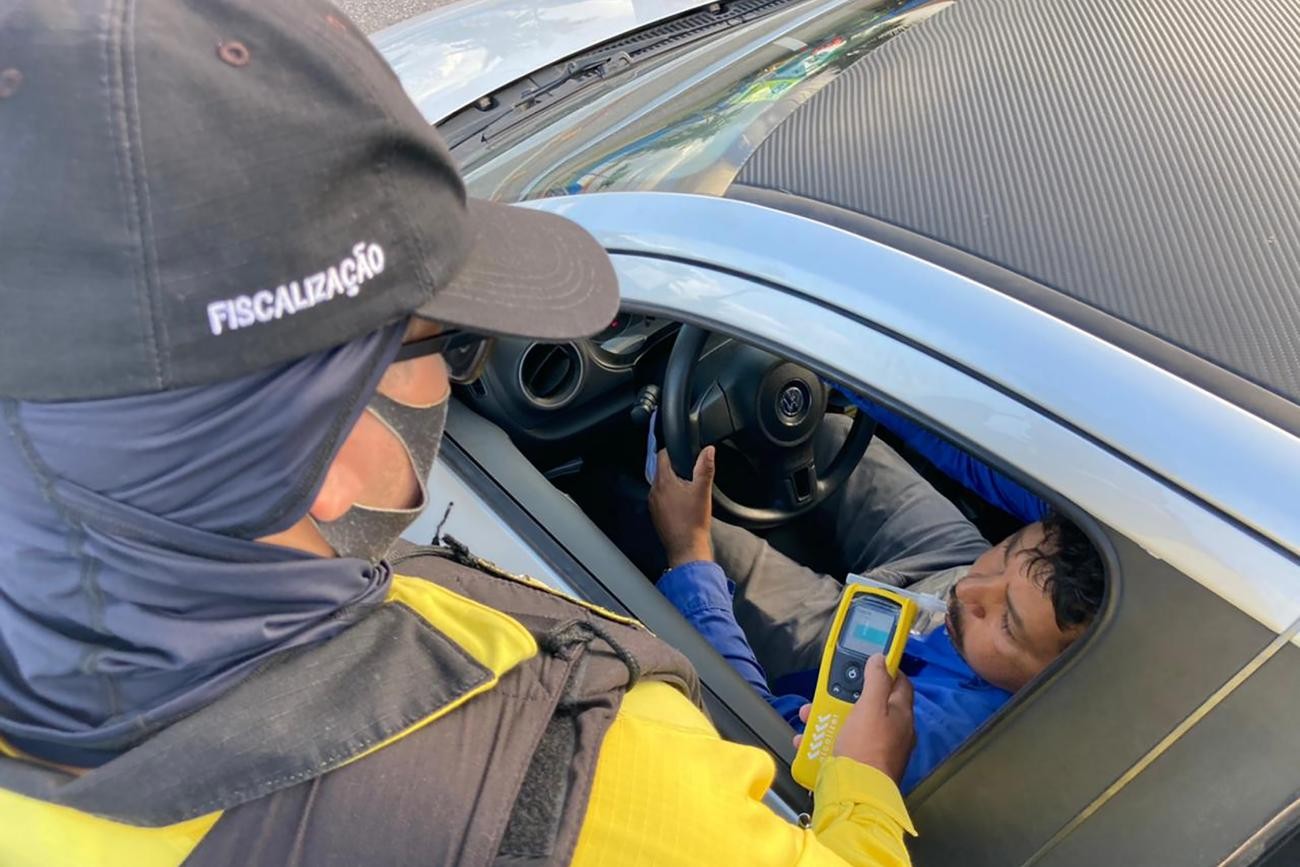
The Pará State Traffic Department (Detran/PA) has launched 'Operation Summer 2026,' an initiative aimed at enhancing road safety across the state. The operation began on Friday, June 3rd, and will continue until August 3rd. Over 390 agents are deployed across 27 municipalities to bolster security on state highways and in popular tourist destinations during the school holidays. Key enforcement priorities include combating drunk driving, speeding, improper overtaking, and mobile phone use while driving. A significant technological advancement for this year's operation is the deployment of drones to monitor strategic locations. These drones will help identify drivers attempting to evade checkpoints, such as switching drivers before reaching them, and will also assist in traffic flow monitoring. Additionally, radar speed guns and breathalyzers will be used extensively on various roadways. Special attention will be given to Salinópolis, Santa Bárbara do Pará (leading to Mosqueiro district), and Barcarena, areas that typically experience high vehicle traffic. To mitigate congestion and ensure smoother travel, authorities advise drivers heading to beach resorts to depart before 7 AM and to return to Belém by 2 PM. Motorists are also urged to perform pre-trip vehicle inspections, checking tires, brakes, and lighting, and to verify the validity of their driver's licenses and vehicle documentation.
This operation highlights a proactive approach by the Pará State Traffic Department to address predictable seasonal increases in road traffic and associated risks. The integration of drone technology signifies a recognition of evolving enforcement capabilities, moving beyond traditional methods to address sophisticated evasion tactics. By focusing on common violations like impaired driving and speeding, the operation aims to leverage technology and manpower to create a safer environment. The advisory for drivers on travel times and vehicle preparation suggests an attempt to manage demand and reduce preventable incidents. Looking ahead, the effectiveness of such operations will depend on sustained investment in technology, data-driven deployment of resources, and public education campaigns that foster a culture of responsible driving, especially as autonomous vehicle technologies begin to influence road dynamics.
AI-generated to prompt reflection — not editorial opinion, not advice, not a statement of fact. How this works.