Paraíba Expands Flu Vaccination to Children Six Months and Older
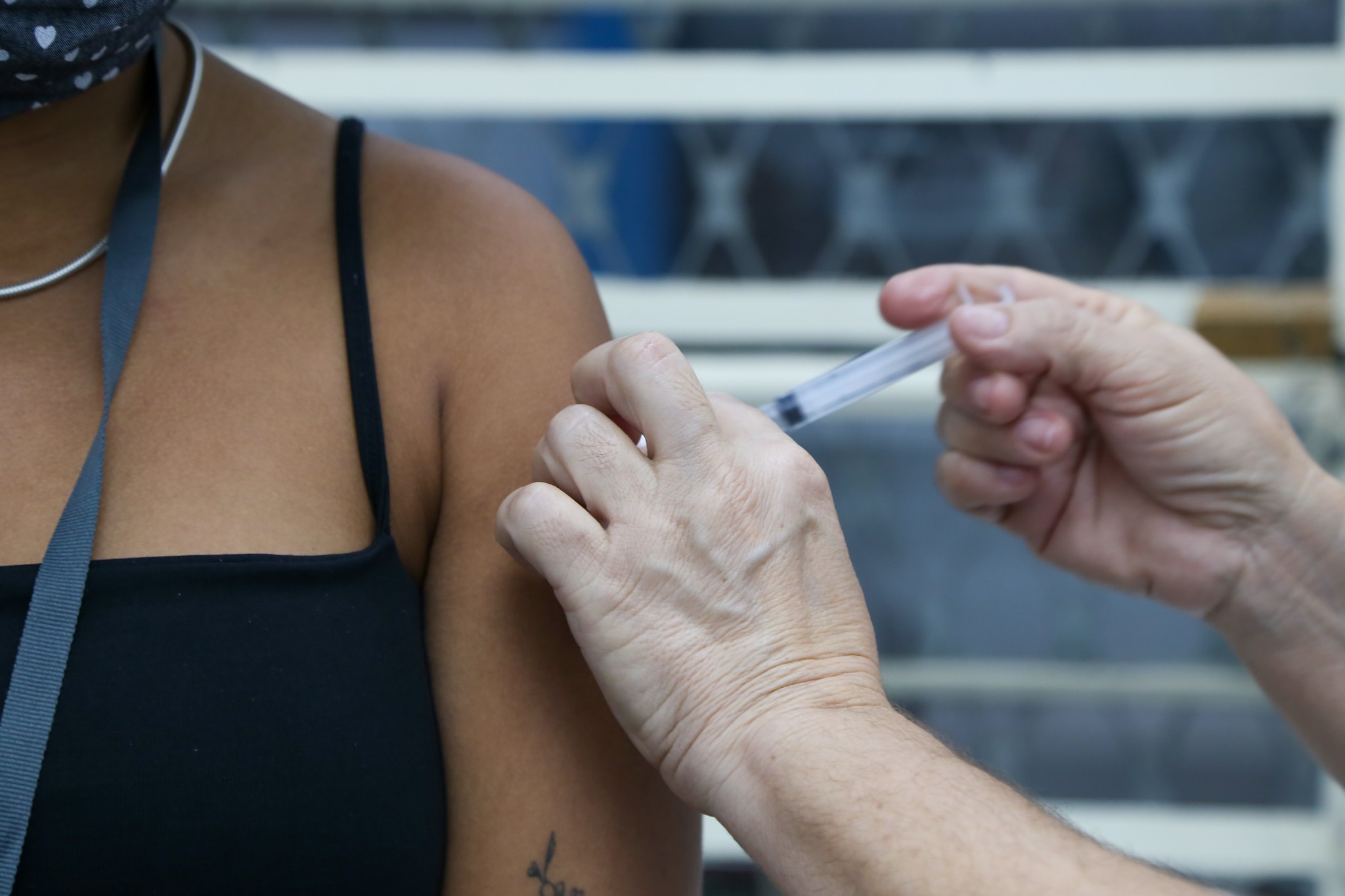
The state of Paraíba, Brazil, has expanded its influenza vaccination program to include children as young as six months old, effective Tuesday, April 21st. This broadened eligibility applies across all 223 municipalities within the state. The decision by the State Secretariat of Health (SES) is a response to the increased circulation of respiratory viruses during this period. Municipalities are authorized to implement this expansion based on their available vaccine stock and their own strategic health plans. Crucially, this new policy must not jeopardize the vaccination of priority groups, which have specific coverage targets set by the Ministry of Health. Priority remains with the elderly, pregnant women, and children, who are part of the national vaccination schedule and face higher risks from influenza complications. The SES has advised municipalities to maintain adequate vaccine reserves to ensure continuous immunization for these priority populations throughout the year. This year, Paraíba received over 1.3 million doses for its 223 municipalities. Of these, approximately 765,000 doses have been administered to priority groups, achieving a 49% vaccination coverage rate, which falls short of the Ministry of Health's 90% target for these key demographics.
The expansion of flu vaccination eligibility in Paraíba reflects a proactive public health strategy to mitigate respiratory virus circulation, particularly for younger demographics. However, the reported 49% coverage rate among priority groups, significantly below the 90% national target, highlights a critical challenge in vaccine uptake and distribution infrastructure. Future policy considerations should focus on understanding and addressing the systemic barriers preventing higher coverage, such as public awareness campaigns, accessibility, and supply chain management, to ensure that expanded eligibility does not dilute efforts to protect the most vulnerable populations. The state's commitment to maintaining year-round supplies for priority groups is a positive step, but sustained monitoring and adaptive strategies will be essential to meet national health objectives in the face of evolving public health landscapes.
AI-generated to prompt reflection — not editorial opinion, not advice, not a statement of fact. How this works.