Paraíba Governor Candidate Vows to Halt Cagepa Water PPP if Elected
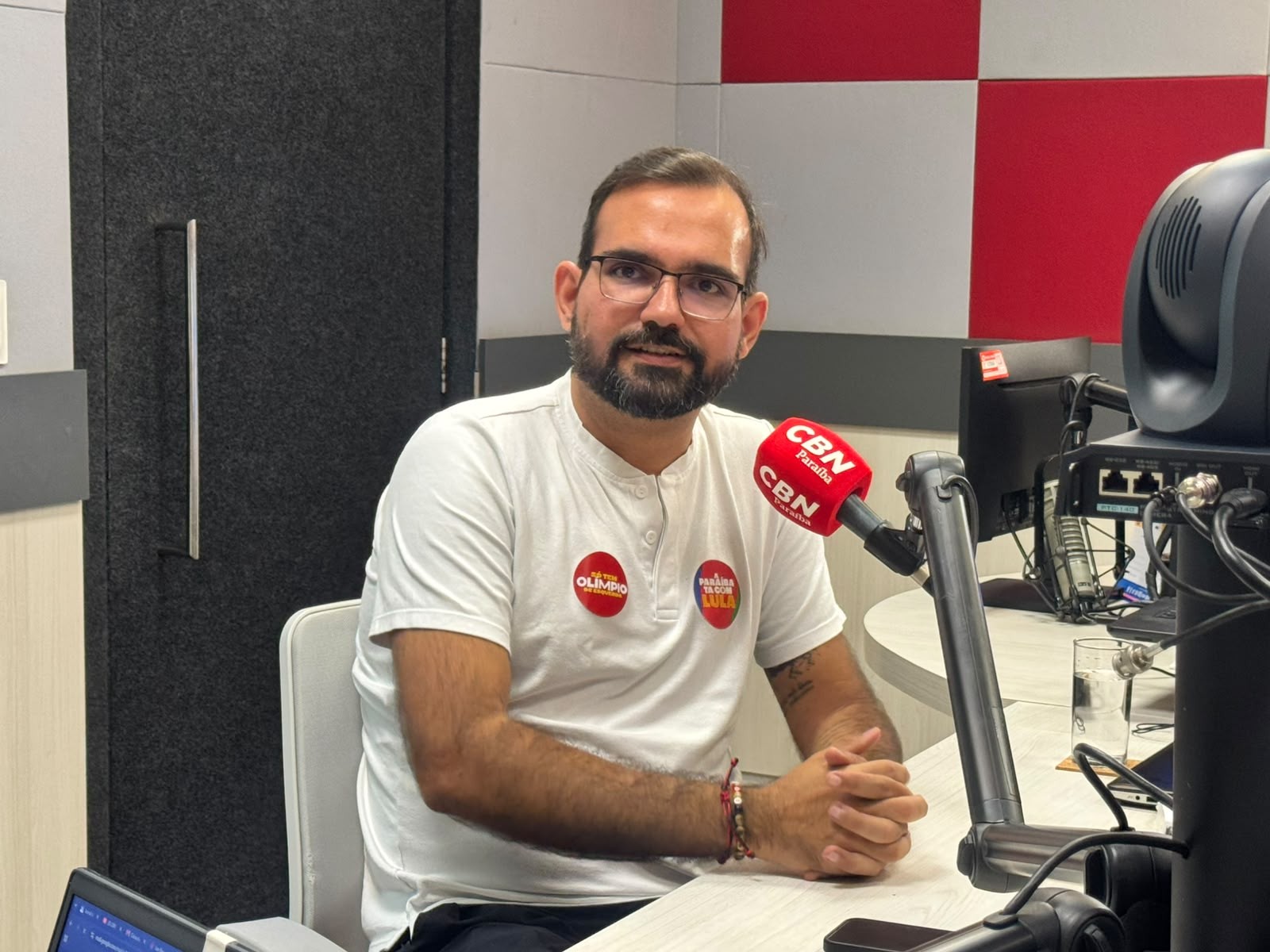
Olímpio Rocha, a pre-candidate for governor of Paraíba from the PSOL party, has declared his intention to suspend the public-private partnership (PPP) model of the Paraíba Water and Sewerage Company (Cagepa) if he wins the 2026 elections. Rocha made these remarks during an interview on the Sabatina CBN program in João Pessoa on Thursday, July 16th. The current PPP, established between Cagepa and the Spanish company Acciona, is designed to provide sanitation services to 85 municipalities in Paraíba for the next 25 years. Rocha stated that his administration would "re-stateize" Cagepa and end this form of privatization. He linked the termination of the PPP to efforts to strengthen Cagepa and, in collaboration with the Lula government, improve the transposition of water resources for the state's residents. Beyond water infrastructure, Rocha also discussed public safety and transportation, proposing a future study for a zero-fare policy on intermunicipal transport. The interview was part of a series of pre-candidate discussions hosted by CBN, held between July 13th and 16th, with the order determined by a draw among party representatives.
The pre-candidate's pledge to suspend the Cagepa PPP highlights a tension between private sector efficiency models and public service control, particularly concerning essential resources like water and sanitation. This stance reflects a potential political strategy to appeal to voters concerned about privatization and to assert state sovereignty over public utilities. The future implications of such a move would involve navigating contractual obligations with Acciona, potential legal challenges, and the fiscal responsibility of reabsorbing the service provision. Evaluating this proposal requires considering the long-term sustainability of public water management, the potential impact on service quality and investment, and the broader economic and governance frameworks that shape infrastructure development in the coming decade.
AI-generated to prompt reflection — not editorial opinion, not advice, not a statement of fact. How this works.