Paraíba Public Prosecutor's Office Sues Over João Pessoa Coastal Building Violations
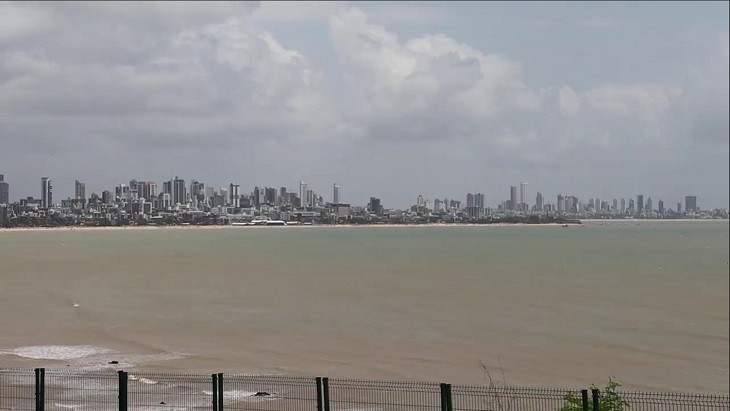
The Paraíba Public Prosecutor's Office (MPPB) has filed a civil lawsuit against Cobran Ltda. construction company and the Municipality of João Pessoa concerning environmental, urban planning, and landscape damage related to the Edifício Way. This building, located on the Cabo Branco coastline in João Pessoa, is alleged to have been constructed in violation of height regulations for coastal developments. The MPPB, represented by prosecutor Francisco Bergson Formiga, highlighted that municipal architectural analysis had previously identified these irregularities during the project's review. Despite this warning, a construction permit was issued in December 2019 by the Urban Control Directorate of the Planning Secretariat (Seplan). The justification provided for this permit, citing another nearby building of similar height, was deemed unsupported by urban planning legislation. The lawsuit further states that the João Pessoa City Hall failed to halt or notify the construction company about the ongoing violations during the approximately four years of the building's construction. The construction company is held directly responsible for the non-compliant construction, while the municipality is cited as indirectly responsible due to project approval and alleged oversight failures. The MPPB is seeking legal action to bring the building into compliance with legal limits, which may involve partial demolition of the excess structure. Additionally, the lawsuit requests compensation from both parties for collective material and moral damages, estimated at R$ 19.5 million. The MPPB also seeks to prohibit further construction or expansion on the Edifício Way and requests the preservation of its technical documentation and an updated registry of property owners and occupants.
This legal action highlights a potential conflict between development interests and urban planning regulations, particularly concerning coastal areas. The MPPB's lawsuit points to a systemic failure in municipal oversight, where initial project warnings were seemingly bypassed, leading to alleged non-compliance. This situation raises questions about the effectiveness of urban planning enforcement mechanisms and the accountability of both developers and municipal authorities. The significant financial claim suggests a serious assessment of the environmental and urbanistic impacts. Moving forward, robust regulatory frameworks and transparent, consistent enforcement will be crucial to ensure sustainable urban development and preserve public interest in sensitive coastal zones, especially as climate change and population growth exert increasing pressure on such environments.
AI-generated to prompt reflection — not editorial opinion, not advice, not a statement of fact. How this works.