Paraíba Reports Over 4,200 Arbovirus Cases and 6 Dengue Deaths in Early 2026
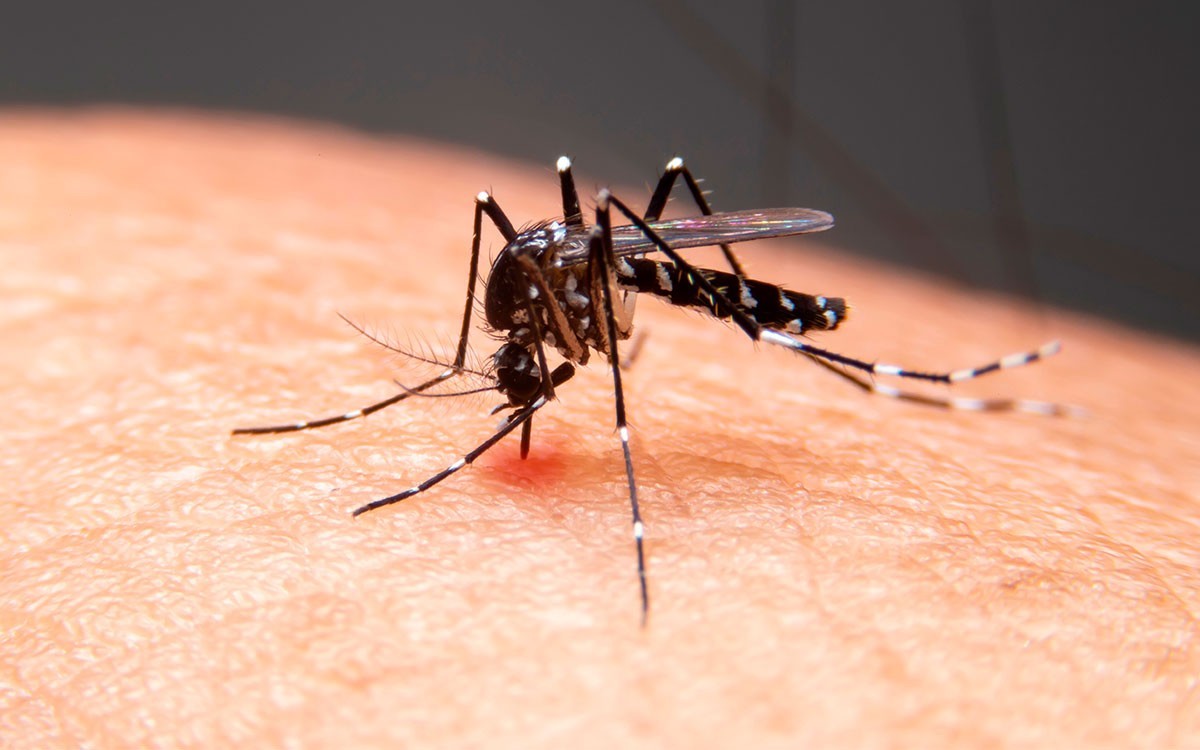
The state of Paraíba, Brazil, recorded 4,433 probable cases of arboviruses, including dengue, zika, and chikungunya, during the first half of 2026. Within this period, from January 1st to July 4th, six deaths were confirmed to be caused by dengue. Of the total arbovirus cases, 4,292 were attributed to dengue, with an additional 138 cases of chikungunya and three of zika. The six dengue fatalities occurred in the municipalities of Sumé, Alagoa Nova, Bayeux, Campina Grande, João Pessoa, and Monteiro. The state's health secretariat (SES-PB) also noted that ten other deaths are currently under investigation. Paraíba has not reported any confirmed cases of Oropouche fever in 2026. Despite the need for vigilance, the SES-PB stated that there has been a reduction in cases compared to the same period in 2025. However, a recent significant increase in arbovirus notifications, particularly in the last five epidemiological weeks, is considered atypical and potentially linked to climate changes. This trend underscores the ongoing necessity for continuous prevention and surveillance measures against the Aedes aegypti mosquito throughout the state. The health secretariat advises the public to maintain preventive practices and seek immediate medical attention upon experiencing initial symptoms, as early diagnosis is crucial for reducing the risk of mortality from arboviruses.
The reported increase in arbovirus notifications in Paraíba, despite an overall reduction compared to the previous year, highlights the persistent challenges in vector-borne disease control. The influence of climate alterations on the atypical rise in cases suggests a need for more adaptive public health strategies that integrate environmental monitoring and predictive modeling. This situation underscores a systemic vulnerability where environmental shifts can rapidly escalate public health risks, demanding proactive and resilient infrastructure. Future preparedness will likely depend on strengthening early warning systems and community engagement in vector control, particularly as climate change continues to reshape disease transmission patterns.
AI-generated to prompt reflection — not editorial opinion, not advice, not a statement of fact. How this works.