Paraíba's construction costs rank second highest in Northeast Brazil for June
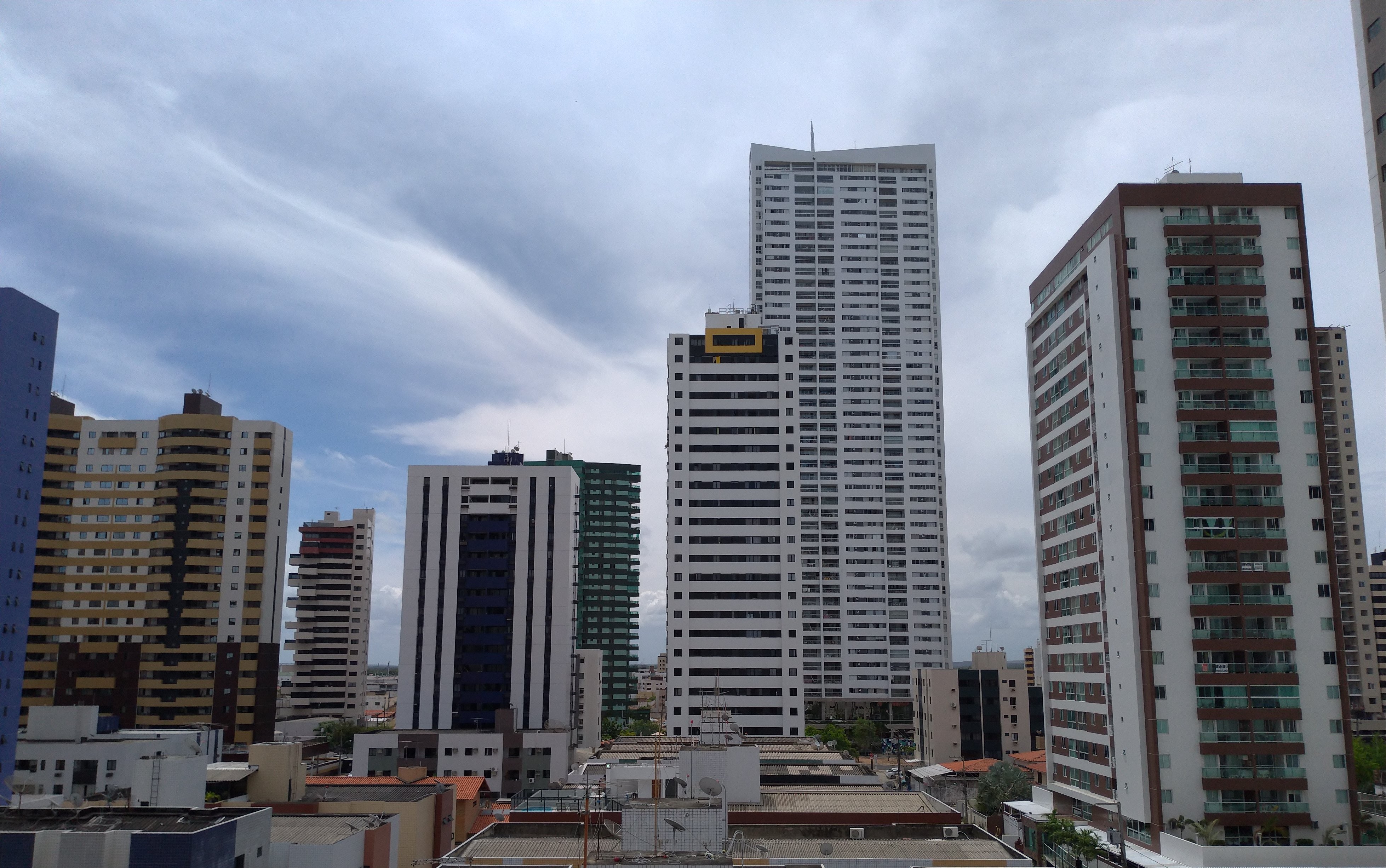
In June 2026, Paraíba recorded the second-highest average cost per square meter in the Northeast region of Brazil, according to data from the National Index of Civil Construction (Sinapi) released by the IBGE. The state's cost reached R$1914.28 per square meter, surpassed only by Maranhão, which stood at R$1960.01. Despite this high ranking, Paraíba's cost remains below the national average of R$1976.37 per square meter for the same month. Paraíba also experienced the lowest monthly variation in the Northeast during June, with a 0.34% increase. However, all states in the region saw an increase, with the Northeast region as a whole experiencing a 1.45% rise, influenced by adjustments in professional categories in Ceará and Pernambuco. Nationally, the index rose by 1.19% in June, accumulating a 7.26% growth over the past twelve months. Labor costs, in particular, showed a significant increase of 1.55% in June, a notable jump from May's 0.14% and a slight increase from June 2025's 1.52%. For the first half of the year, materials costs increased by 3.39% and labor costs by 5.96%. Over the last twelve months, materials costs accumulated a 5.54% increase, while labor costs rose by 9.59%.
The data highlights regional disparities in construction costs within Brazil, with Paraíba's elevated per-square-meter price reflecting specific market dynamics. While Paraíba's costs are high relative to its neighbors, they remain below the national average, suggesting localized factors such as supply chain efficiencies, labor availability, or demand pressures are at play. The significant increase in labor costs nationally and regionally, driven by collective agreements, indicates potential inflationary pressures on future construction projects. Understanding these underlying economic drivers is crucial for policymakers and developers aiming to foster more equitable and sustainable growth across Brazil's diverse regions, particularly as the nation navigates evolving economic landscapes and technological advancements in the construction sector.
AI-generated to prompt reflection — not editorial opinion, not advice, not a statement of fact. How this works.