Paraíba Sees Over One Vehicle-Pole Collision Daily in First Half of 2026
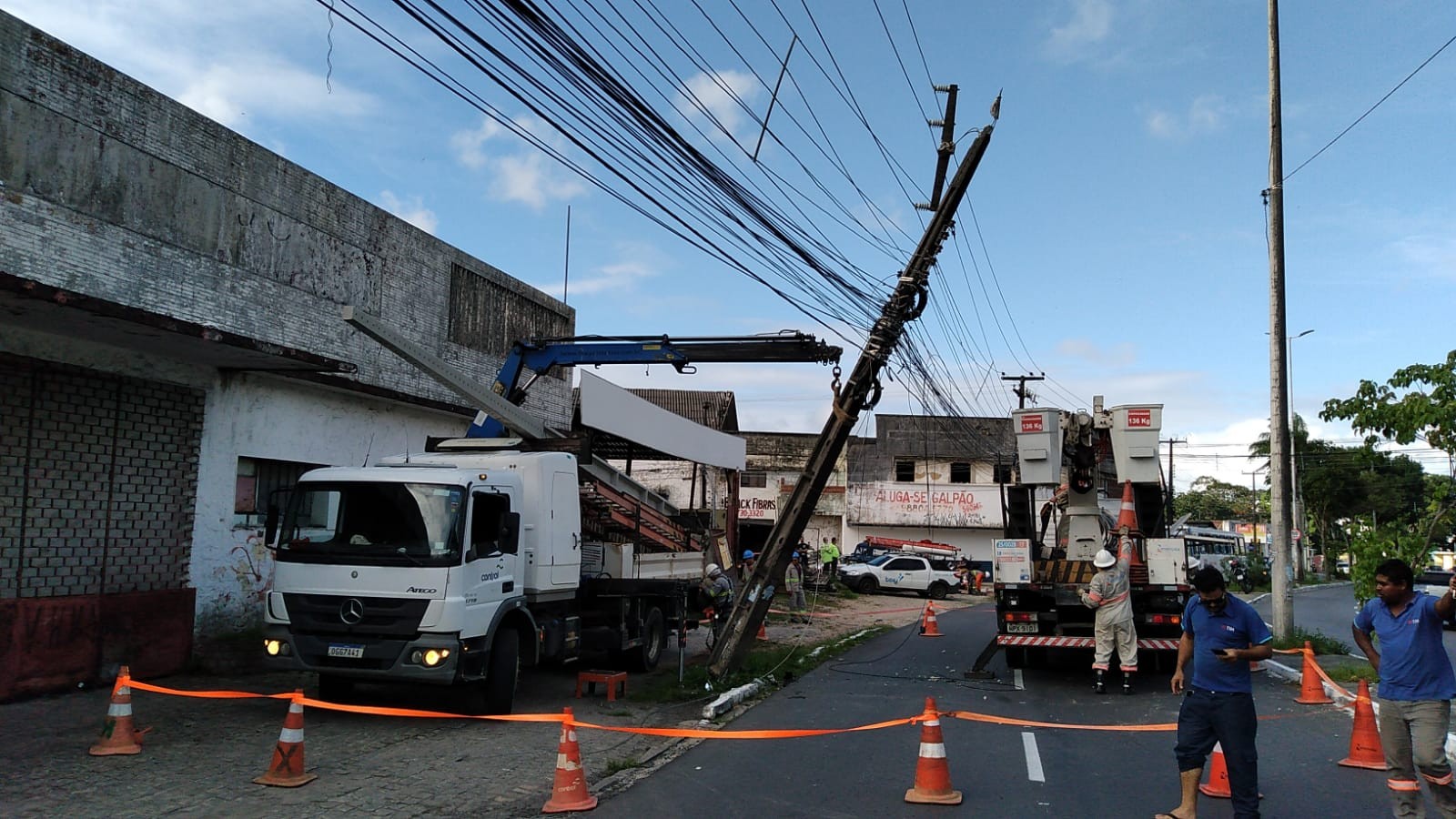
The Brazilian state of Paraíba recorded 237 instances of vehicles colliding with utility poles during the first half of 2026, averaging more than one such incident per day. This data, compiled by Energisa, the state's electricity distribution concessionaire, highlights significant safety risks for drivers, passengers, and pedestrians, as well as potential disruptions to the power supply. João Pessoa, the state capital, reported the highest number of collisions with 35 incidents between January and June 2026, followed by Campina Grande with 23 occurrences. Other affected cities include Cabedelo, Sousa, Esperança, Guarabira, Queimadas, and Santa Rita. Energisa emphasizes that these collisions can lead to the rupture of electrical lines, potentially energizing the ground or the vehicle itself. In such situations, occupants are advised to remain inside the vehicle and avoid contact with any potentially energized areas until specialized teams arrive. Bystanders are also warned to maintain a safe distance from damaged poles and cables. The financial cost of repairing the damaged electrical infrastructure ranges from R$4,000 to R$30,000 per incident, with repairs taking three to four hours and potentially causing power outages. According to the National Electric Energy Agency (Aneel), the driver responsible for the collision is liable for the repair costs.
The high frequency of vehicle collisions with utility poles in Paraíba underscores a critical intersection of infrastructure vulnerability and public safety. Beyond the immediate risks and repair costs, these incidents highlight systemic challenges in urban planning and driver behavior. The financial burden placed on responsible drivers, while legally mandated, may not fully account for the broader societal costs, including potential power outages affecting numerous consumers and the strain on emergency services. Future considerations could involve enhanced public awareness campaigns, exploring advanced driver-assistance systems, and evaluating the placement and protective measures for critical utility infrastructure in high-traffic areas to mitigate future occurrences and ensure more resilient energy distribution.
AI-generated to prompt reflection — not editorial opinion, not advice, not a statement of fact. How this works.