Paraíba State Hit by Strong Winds and Rain, Causing Damage and Disruptions
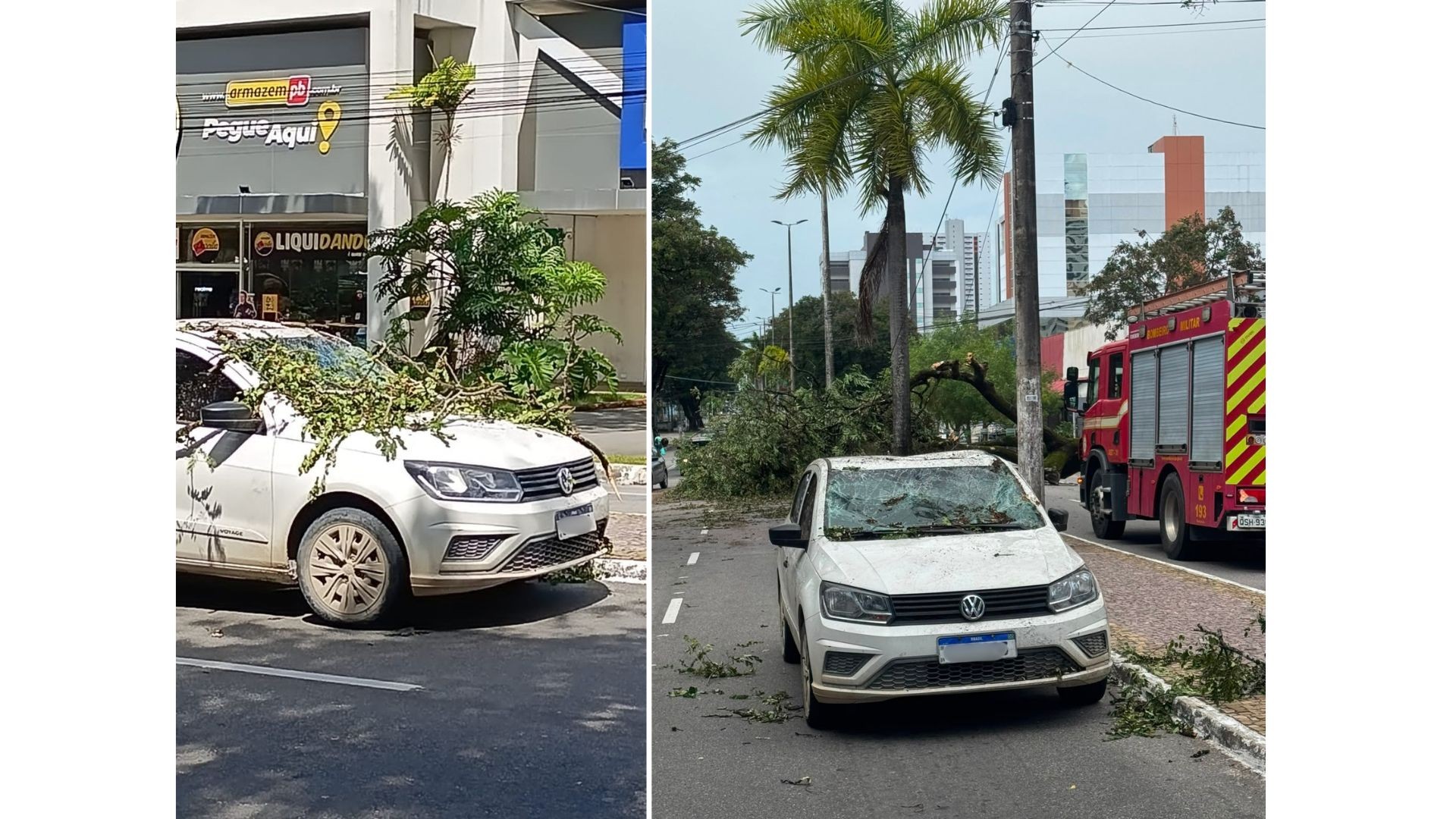
Heavy rains and strong winds swept across various municipalities in Paraíba, Brazil, on Saturday, November 18th, leading to numerous incidents including fallen trees, damaged structures, and traffic disruptions. Fortunately, no injuries were reported from these events. In João Pessoa, videos captured the intense wind on Cabo Branco beach, showing plastic chairs and tables being blown across the sand. Earlier in the day, a tree fell on a car containing a father and child on Avenida Epitácio Pessoa, though both escaped unharmed. The João Pessoa Fire Department reported 10 tree falls in the capital and its metropolitan region by 5 PM. The Civil Defense stated they were still consolidating data on rain and wind-related incidents in the capital. In Rio Tinto, a metal structure erected for the city's June festivities collapsed in the city center due to the strong winds and rain. While the structure fell in a busy area, no pedestrians or vehicles were hit, though it caused considerable alarm. The Rio Tinto City Hall confirmed the collapse was due to severe winds affecting the region and assured that material damage was the only consequence. Municipal teams were dispatched to remove the debris and restore traffic flow. The entire state of Paraíba remains under a windstorm alert from the National Institute of Meteorology (Inmet), with expected winds of 40-60 km/h, posing risks of falling branches and power outages. Additionally, 94 municipalities are under a yellow alert for intense rainfall until midnight, advising residents to exercise caution in risk-prone areas and avoid standing under trees or parking near potentially unstable structures.
The severe weather events in Paraíba highlight the vulnerability of urban and public infrastructure to meteorological extremes, exacerbated by climate variability. The incidents underscore the importance of robust urban planning and building codes that account for increasingly unpredictable weather patterns. The rapid response by municipal authorities in Rio Tinto to clear debris and ensure public safety demonstrates effective crisis management, while the ongoing data consolidation in João Pessoa points to potential areas for improvement in real-time incident reporting and assessment. As meteorological events intensify globally, communities will increasingly need to invest in resilient infrastructure and proactive public awareness campaigns to mitigate risks and ensure the safety of their populations.
AI-generated to prompt reflection — not editorial opinion, not advice, not a statement of fact. How this works.