Paraíso do Tuiuti Selects Samba Theme Honoring Tia Ciata for 2027 Carnival
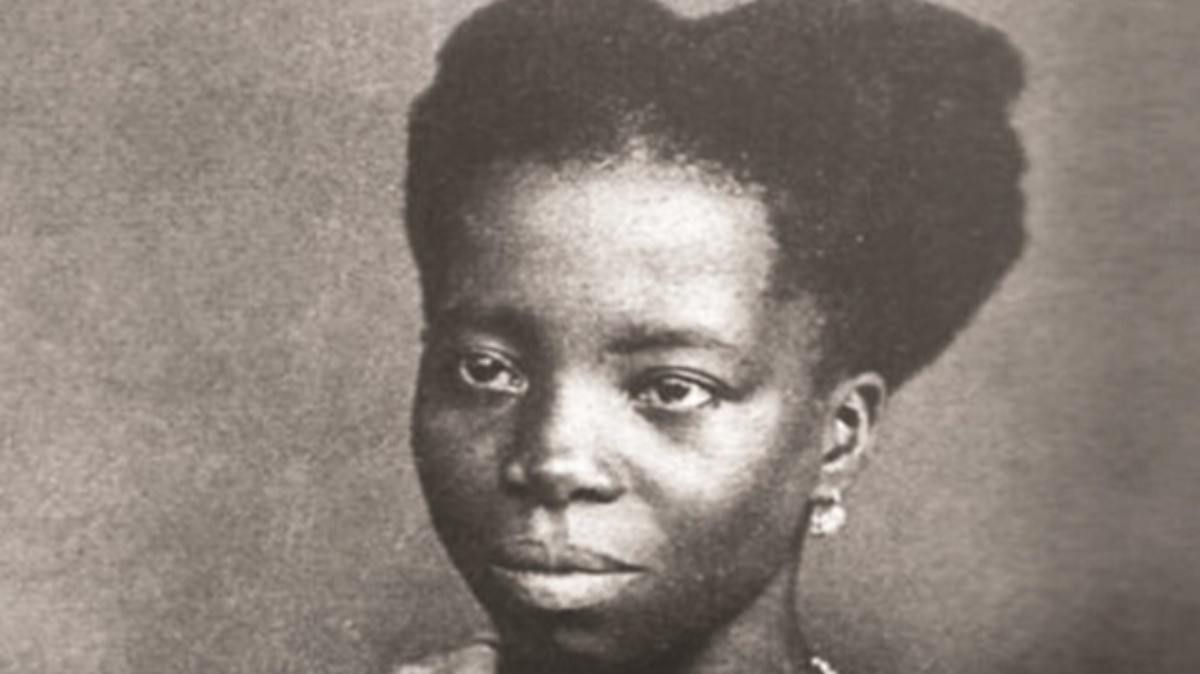
The Paraíso do Tuiuti samba school has chosen its official theme song, or "samba-enredo," for the 2027 Rio Carnival. The chosen theme, "Ciata: a mãe preta do samba" (Ciata: the black mother of samba), will pay homage to Tia Ciata, a pivotal figure in the history of Rio de Janeiro's samba music. Tia Ciata, who lived from 1854 to 1924, is recognized as one of the matriarchs of samba, and her home in the Praça Onze area was a crucial meeting place for early samba circles that helped solidify the genre in the city. The school's presentation of the samba-enredo took place at the Cidade do Samba and featured various school components, including the Super Som bateria led by Mestre Marcão, bateria queen Mayara Lima, the old guard, baianas, passistas, muses, choreographed sections, and the flag-carrying couples. The theme will be developed by carnavalesco Renato Lage, marking his debut with the school, in collaboration with historians Luiz Antônio Simas and Cláudio Russo. Tia Ciata's great-granddaughter, Gracy Mary Moreira, who is responsible for preserving her legacy, expressed the significance of this tribute. The event also introduced Marlon Cruz as the new choreographer for the school's front commission, who has a background in dance and choreography, having worked in Rio de Janeiro and Recife, and with international experience. Paraíso do Tuiuti is scheduled to be the third school to parade on Sunday, February 7, 2027, in the Special Group at Marquês de Sapucaí.
The selection of Tia Ciata as the central theme for Paraíso do Tuiuti's 2027 Carnival parade highlights a growing trend in samba schools to explore and celebrate foundational figures from Afro-Brazilian culture. This choice moves beyond purely celebratory narratives to acknowledge historical contributions and the cultural roots of samba, potentially fostering a deeper understanding of its origins. The involvement of historians and family descendants in the development process suggests a commitment to an authentic and respectful portrayal. This approach aligns with broader societal shifts towards recognizing marginalized histories and could serve as a model for cultural institutions seeking to engage with their heritage in more substantive ways, moving beyond superficial representation to a more profound cultural dialogue.
AI-generated to prompt reflection — not editorial opinion, not advice, not a statement of fact. How this works.
