Paracatu Cultural Heritage Festival Features Oswaldo Montenegro, Tiago Iorc, and Maria Gadú
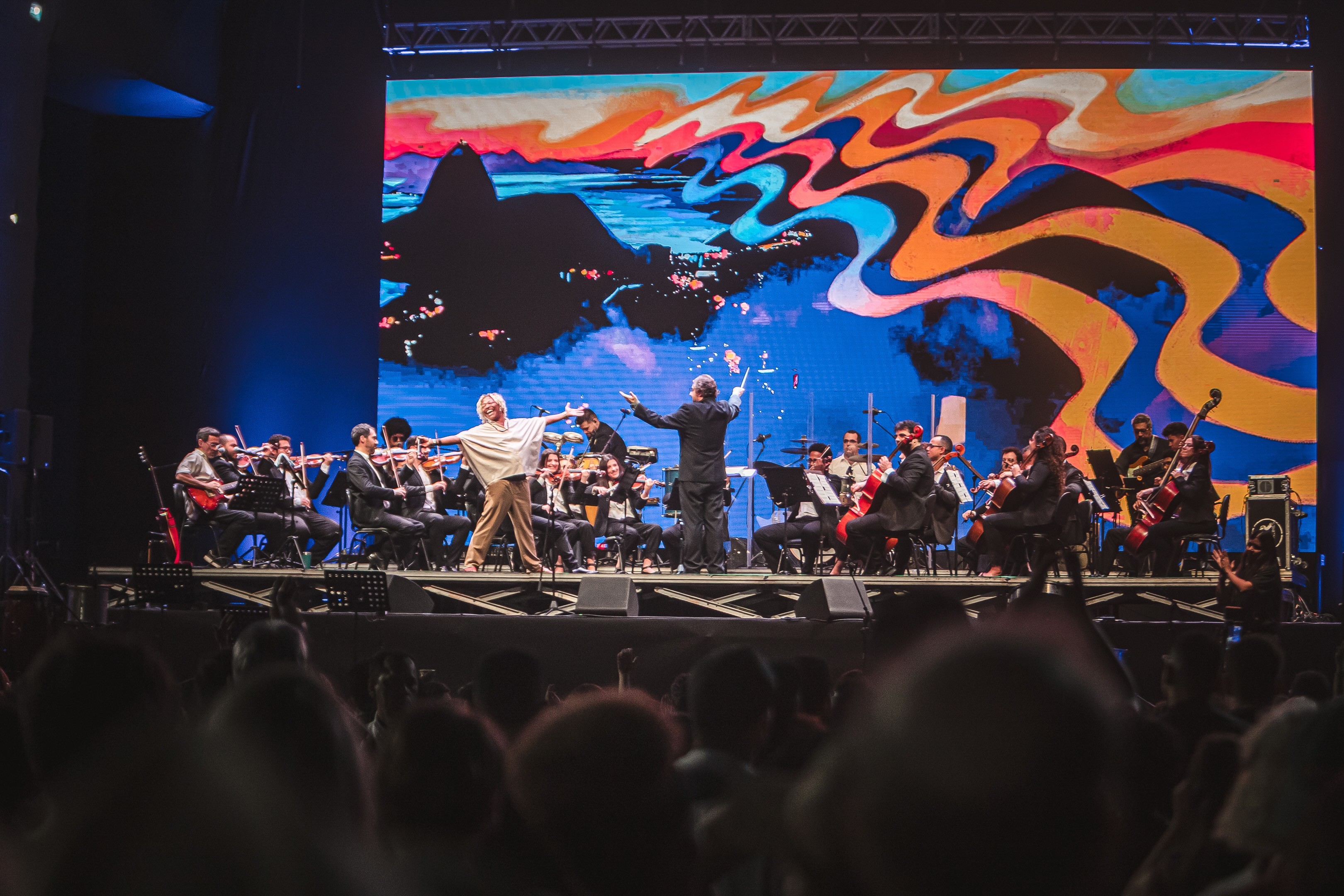
The city of Paracatu, located in the Northwest region of Minas Gerais, Brazil, is hosting its 2026 Cultural Heritage Festival until Sunday, December 5th. The event, which commenced on Wednesday, December 1st, offers a free program for all ages. The opening night featured a unique performance by singer Mart’nália alongside the Ouro Preto Orchestra, blending samba, MPB, and classical music. The festival showcases live concerts by prominent national artists including Oswaldo Montenegro, Tiago Iorc, and Maria Gadú, in addition to local performers, theatrical shows, workshops, discussion forums, and various culinary options. This annual festival aims to celebrate Paracatu's rich history, architecture, and culture by transforming its streets and squares into spaces for community gathering and the preservation of local memory. Last year's edition, in 2025, included performances by artists such as Alceu Valença, Almir Sater, and the Ouro Preto Symphony Orchestra. Leonardo Barros, president of the Sustainable Development Agency of Paracatu (Adesp), highlighted that the festival not only promotes culture and reinforces historical heritage but also stimulates the local economy by attracting tourists. He noted that sectors such as hotels, restaurants, guesthouses, gas stations, and artisans benefit directly, while visitors are welcomed with the region's characteristic hospitality.
The Paracatu Cultural Heritage Festival exemplifies a common strategy for regional development, leveraging cultural events to stimulate local economies and preserve historical identity. By attracting national artists and diverse activities, the festival aims to create a significant economic multiplier effect, benefiting various service industries and local businesses. This approach, while effective in generating short-term economic activity and fostering community pride, raises questions about long-term sustainability and equitable distribution of benefits. Future considerations might include assessing the festival's carbon footprint, ensuring accessibility for all residents, and exploring how such events can foster deeper, more sustainable cultural production and preservation beyond tourism revenue. The event's success hinges on balancing immediate economic gains with the enduring cultural and social well-being of the community.
AI-generated to prompt reflection — not editorial opinion, not advice, not a statement of fact. How this works.