Paraguay's Health System Crisis Forces Families into Debt and Despair
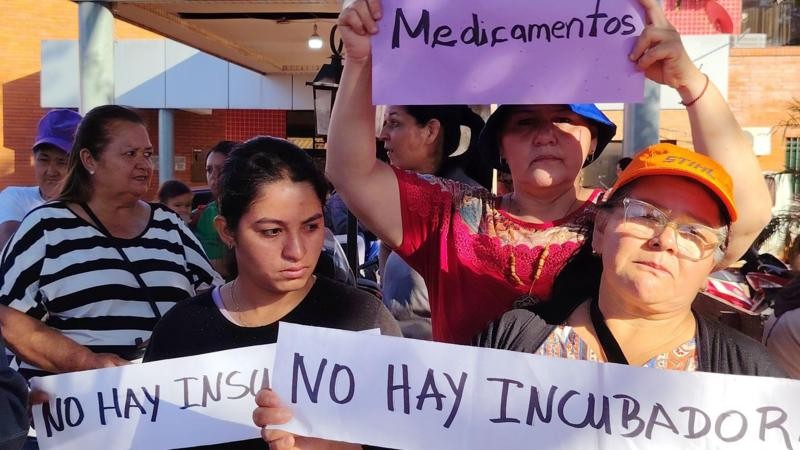
The Paraguayan healthcare system is facing a severe crisis characterized by a critical lack of equipment and medicines, pushing patients and their families into significant debt. Artisana Daniela Benítez, 62, recounted having to crowdfund and organize a raffle to cover over $800 in medical supplies for her daughter, María del Pilar, who was hospitalized with pneumonia caused by tuberculosis. Despite these efforts, María del Pilar tragically passed away after a year of treatment, with Daniela highlighting systemic issues like understaffing, lack of supplies, administrative failures, and overwhelming workloads for medical professionals. The story echoes that of Paraguayan national football player Orlando Gill, whose wife revealed he sold personal belongings, including his national team jersey, to fund their newborn son's premature birth treatment. International organizations like Amnesty International report that Paraguay invests only 4% of its GDP in public health, falling short of the 6% recommended by the Pan American Health Organization (PAHO) for universal coverage, and is considered one of the most inequitable health systems in Latin America. While Ministry of Health official Gustavo Ortiz attributes some issues to increased demand and describes them as "isolated incidents," medical professionals and activists argue these are symptoms of a deep structural problem. Doctors are planning a five-day national strike on August 24th to demand increased public health funding. The system is further complicated by its fragmentation, with nearly 70% of the population relying on the underfunded public network, and significant disparities in care between urban centers like Asunción and rural areas. President Santiago Peña acknowledges healthcare as his government's "great pending issue," announcing over $500 million in investments for hospital renovations and equipment, though experts question if these measures adequately address the core issues of medicine shortages and professional burnout.
The Paraguayan healthcare system's struggles, marked by critical shortages and financial burdens on citizens, highlight a systemic underinvestment in public health infrastructure. This situation creates a stark contrast with the country's otherwise robust economic performance, suggesting a significant disconnect in resource allocation priorities. The reliance on out-of-pocket expenses and fundraising for essential medical care points to a governance challenge in ensuring equitable access to fundamental services. Looking ahead, addressing this crisis will require more than incremental investments; it necessitates a fundamental re-evaluation of public health as a national priority, potentially involving structural reforms to improve efficiency, transparency, and the integration of fragmented services. Failure to do so risks perpetuating cycles of debt and health inequity, undermining social stability and human capital development in the long term.
AI-generated to prompt reflection — not editorial opinion, not advice, not a statement of fact. How this works.