Paraguay Seeks to De-escalate Tensions with Brazil After Lula's Remarks
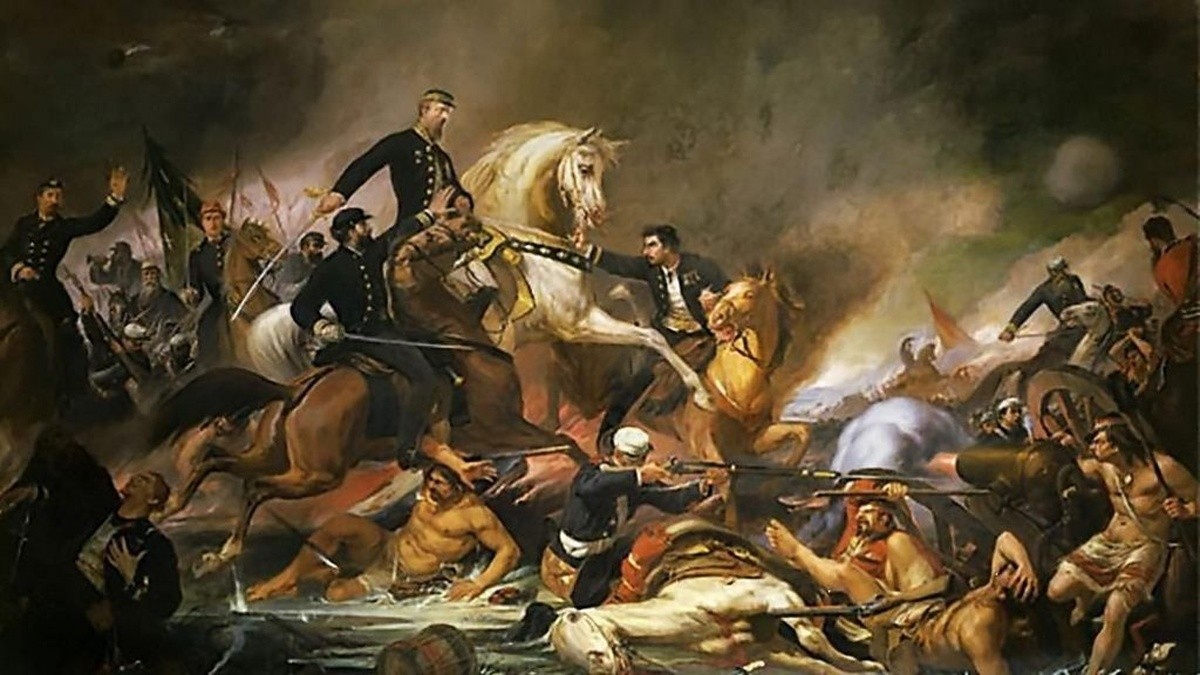
Paraguay's government stated on Friday, May 31st, that it does not wish to escalate a diplomatic crisis with Brazil following remarks made by Brazilian President Luiz Inácio Lula da Silva. The Paraguayan Minister of Foreign Affairs, Rubén Ramírez Lezcano, explained in a press conference that the government received explanations from the Brazilian ambassador to Asunción, José Antonio Marcondes, regarding President Lula's comments about the War of the Triple Alliance. According to Lezcano, the ambassador conveyed that Lula believed his statements were "taken out of context" and that there was no intention to offend the Paraguayan people. Lezcano stated that the ambassador reported Lula's clarification that his remarks were misinterpreted and that he had no intention of offending Paraguay. The Paraguayan Vice President, Pedro Alliana, also emphasized that they do not want to interfere in Brazil's ongoing electoral campaign. The meeting took place at the Paraguayan Ministry of Foreign Affairs in Asunción, with both Vice President Alliana and Minister Lezcano present. During the meeting, Paraguayan officials formally presented a note of repudiation approved by the country's Congress. Minister Lezcano reiterated that, given the Brazilian diplomacy's explanations and the clarification of no intent to offend, Paraguay considers the matter resolved without further bilateral tension. As of the last update, the Brazilian government and the Itamaraty had not yet issued a statement.
The Paraguayan government's decision to de-escalate tensions following President Lula's remarks on the War of the Triple Alliance reflects a strategic prioritization of bilateral relations, particularly during Brazil's electoral period. By accepting the explanation that the comments were "taken out of context," Paraguay signals a pragmatic approach, avoiding further entanglement in a sensitive historical narrative that could complicate its foreign policy objectives. This stance suggests an awareness of the potential for political rhetoric to inflame historical grievances, and a deliberate choice to manage such risks through diplomatic channels rather than allowing them to disrupt ongoing cooperation. The focus on avoiding interference in Brazil's elections highlights an understanding of the interconnectedness of domestic politics and international diplomacy in the region.
AI-generated to prompt reflection — not editorial opinion, not advice, not a statement of fact. How this works.