Paraguayan Dance Group's Bus Crashes in Brazil, Killing Three
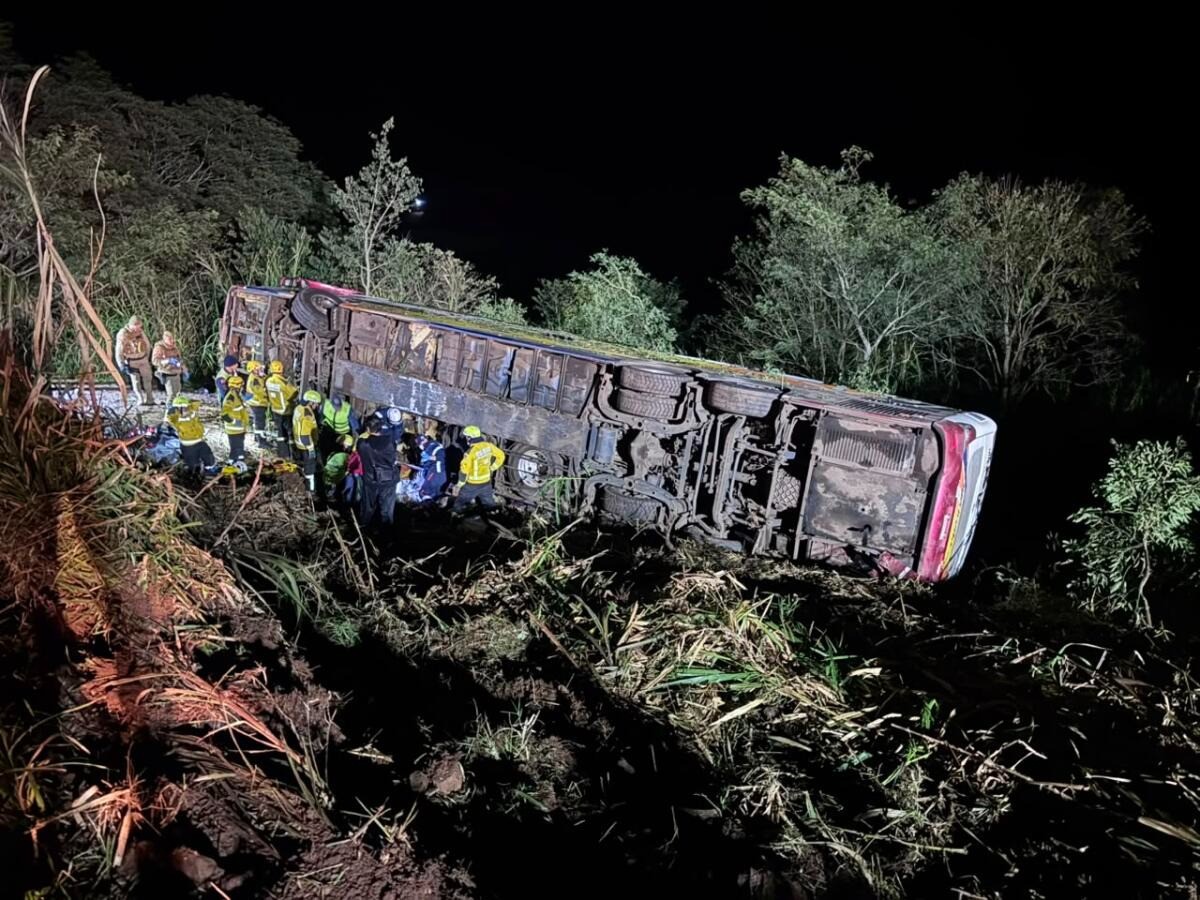
A tour bus carrying dancers, mothers, and teachers from a Paraguayan dance academy tragically fell into a ravine on Wednesday, March 15th, in Santa Catarina, Brazil, resulting in three fatalities and injuries to 40 others. The group, comprising 67 individuals from Bethania Academia de Danzas, was returning to Villa Rica, Paraguay, after participating in a competition in Gramado, Rio Grande do Sul. The accident occurred around 12:30 AM on the SC-492 highway, between Maravilha and São Miguel da Boa Vista. Emergency services, including firefighters and regional rescuers, were immediately dispatched to the scene. The bus, which had departed from Gramado, was found overturned in the ravine. Many passengers were in a state of distress, with some trapped in the wreckage and sustaining various injuries. The bus had to be stabilized to ensure the safety of rescue operations. The injured were transported to four local hospitals. The Hospital São José de Maravilha received 42 individuals, most with minor injuries. However, one patient was admitted to the ICU in critical condition with an amputation, and two others were in stable condition, with one requiring transfer to Chapecó. The Paraguayan Consulate in Brazil is coordinating with hospitals to provide information to the victims' families and is arranging for the repatriation of the bodies, a process expected to take 48 to 72 hours. The identities and ages of the deceased have not yet been released.
This tragic incident highlights the critical importance of robust safety standards and oversight for international tour operators, particularly those transporting vulnerable groups like young dancers. The investigation into the cause of the driver losing control will be crucial, but systemic factors such as vehicle maintenance, driver fatigue management, and adherence to road safety regulations in cross-border operations warrant examination. Future considerations should include enhanced pre-trip risk assessments and contingency planning for emergencies, ensuring swift and coordinated responses from both the operator's home country and the destination country. The focus should be on preventing recurrence by strengthening regulatory frameworks and promoting best practices in the passenger transport industry to safeguard lives.
AI-generated to prompt reflection — not editorial opinion, not advice, not a statement of fact. How this works.