Paraguayan Senator Faces Scrutiny Over Racist Remarks Against Kylian Mbappé
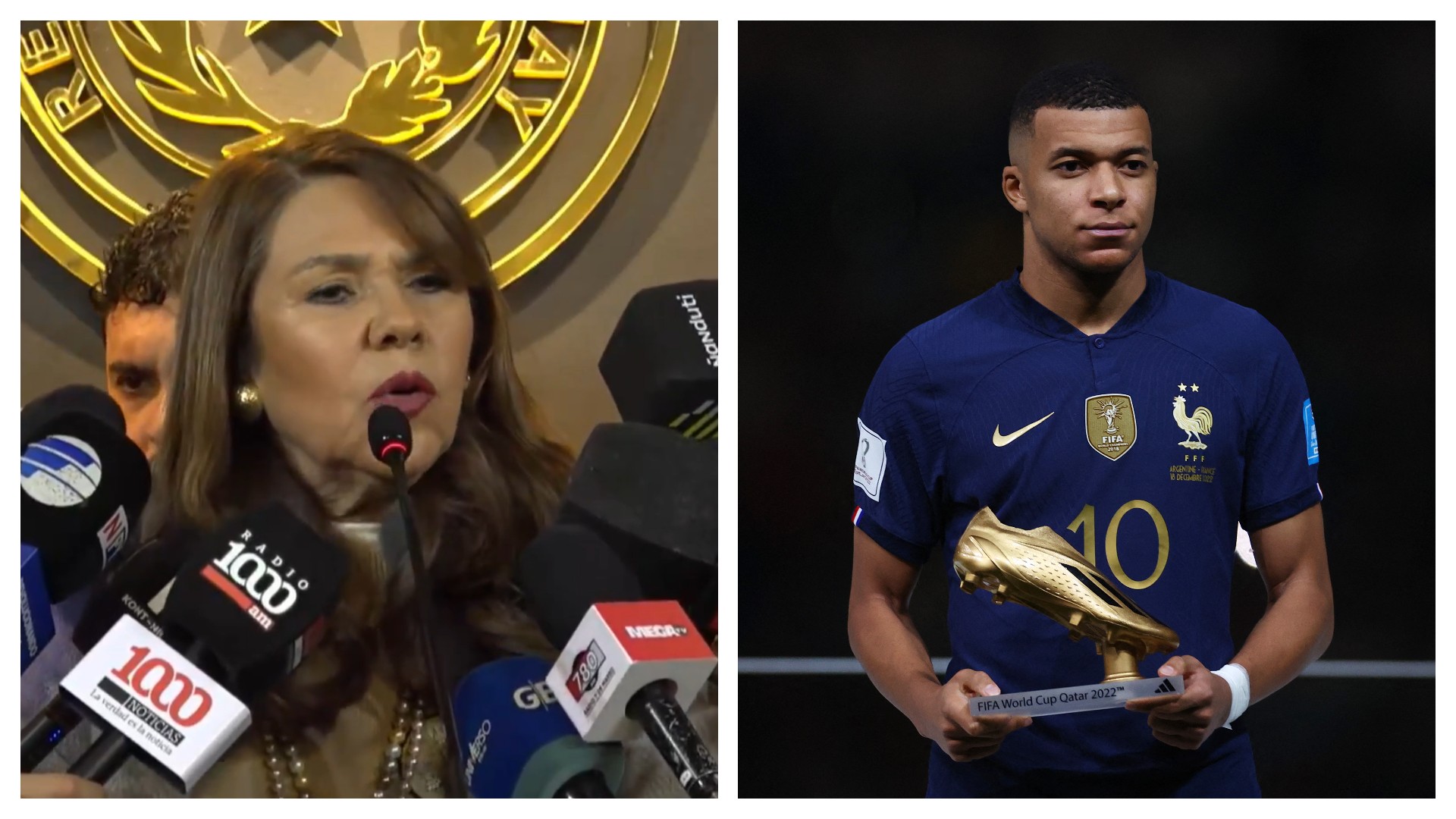
Paraguayan Senator Celeste Amarilla is facing international condemnation for making racist remarks against French football star Kylian Mbappé following Paraguay's elimination from the World Cup by France. Despite the global outcry, legal experts suggest that criminal prosecution for Amarilla in Paraguay is unlikely due to significant gaps in the country's legislation regarding racial discrimination and hate speech. Lawyer Julio Scarone, specializing in sports law, explained that Paraguay lacks a general anti-discrimination law and specific criminal offenses for racism or racial insult. While the constitution prohibits discrimination, there is no specific law to punish racist offenses, making it difficult to hold the senator criminally liable for direct insults. Another lawyer, Dante Leguizamón from the Paraguayan Human Rights Coordinator (Codehupy), agrees that the legislation is fragmented but believes Amarilla's statements could be construed as promoting ideas of racial superiority. However, even under this interpretation, Scarone points out that existing laws primarily protect Afro-descendants residing in Paraguay, and Mbappé's non-residency would make legal application questionable. Potential sanctions under current laws are administrative, such as fines or public apologies, not imprisonment. Scarone anticipates that Amarilla is more likely to face internal sanctions from the Senate, such as a warning or more severe measures, rather than legal consequences. The Paraguayan Ministry of Foreign Affairs issued a statement repudiating Amarilla's remarks, clarifying they do not represent the government's position. Meanwhile, French authorities have opened an investigation into the senator's statements for aggravated public defamation. However, legal experts believe that any potential conviction in France would be difficult to enforce against a sitting Paraguayan senator, citing challenges with extradition and the principle of dual criminality, as the act is not specifically criminalized in Paraguay. The case does not fall under FIFA or Conmebol disciplinary regulations, as these apply to sports organizations and officials, not legislators. Amarilla has since doubled down on her criticism, refusing to apologize and even referencing the imprisonment of Ronaldinho Gaúcho in Paraguay, while accusing Mbappé of gender violence.
This incident highlights the complex interplay between national legal frameworks, international condemnation, and political accountability when public figures engage in discriminatory speech. While the senator's remarks have drawn widespread criticism and prompted investigations in France, the limited scope of Paraguayan anti-discrimination laws presents a significant hurdle for any domestic legal recourse. This situation underscores a global challenge: how to effectively address hate speech by elected officials when national legislation is insufficient or narrowly defined. The potential for symbolic sanctions within the Senate versus the difficulty of external legal enforcement raises questions about the efficacy of accountability mechanisms. Furthermore, the senator's continued defiance and counter-accusations suggest a strategic use of political office to deflect criticism, potentially leveraging national sovereignty and legal technicalities to avoid substantive consequences. The differing legal interpretations within Paraguay regarding the classification of her speech also reveal internal debates about applying existing, albeit fragmented, legal principles to contemporary forms of discrimination.
AI-generated to prompt reflection — not editorial opinion, not advice, not a statement of fact. How this works.