Paraguayan Senator Responds to Mbappé, Citing Gender Discrimination
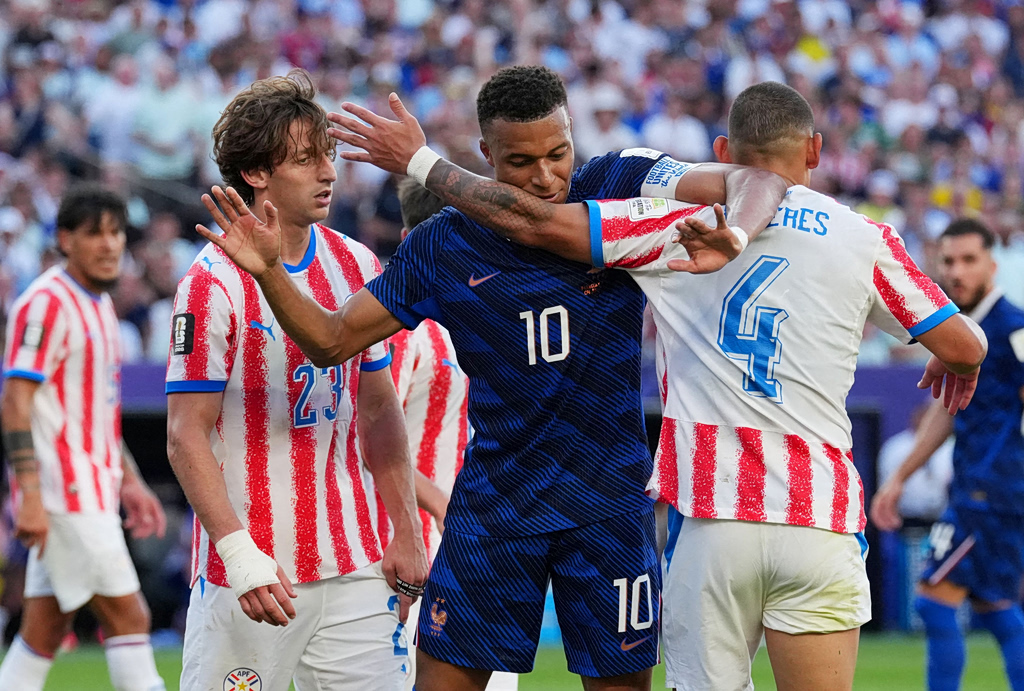
The public dispute between Kylian Mbappé and Paraguayan Senator Celeste Amarilla continues to draw international attention following a match between France and Paraguay in the 2026 World Cup. Senator Amarilla had initially faced backlash for making racist remarks directed at the French football star. Mbappé publicly responded to these comments, prompting a further reaction from the senator. In her latest statement, Amarilla asserts that Mbappé's criticism is motivated by her gender, suggesting she is being targeted because she is a woman. This exchange highlights ongoing tensions and public discourse surrounding prominent figures and their interactions on a global stage. The senator's defense frames the controversy as a matter of gender bias, adding another layer to the public debate initiated by her initial remarks.
This incident illustrates the complex interplay between public figures, social media, and international discourse. The exchange, initially stemming from remarks made during a sporting event, has evolved into a debate about potential gender discrimination. It underscores how public statements by high-profile individuals can quickly escalate, drawing scrutiny not only for their content but also for the perceived motivations behind them. The situation prompts reflection on accountability for public commentary, particularly when it intersects with sensitive issues like race and gender. Future interactions of this nature may benefit from greater consideration of the broader societal implications and the potential for misinterpretation or weaponization of public platforms.
AI-generated to prompt reflection — not editorial opinion, not advice, not a statement of fact. How this works.