Paraisópolis Killing Trial: Secret Testimony After Suspected False Witness
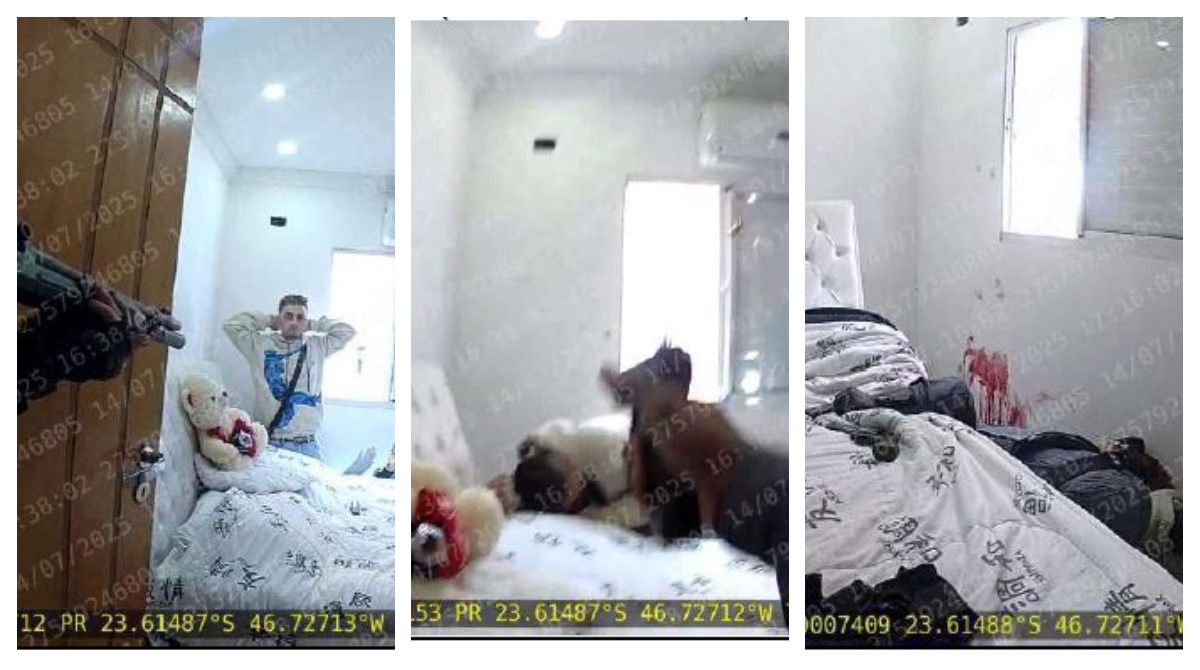
The trial of two military police officers accused of killing 24-year-old Igor Oliveira de Moraes Santos during an operation in Paraisópolis, São Paulo, entered its third day on Thursday, November 30th. The court session was unexpectedly interrupted shortly after it began when the judge ordered everyone except the prosecution, defense, and court officials to leave the room. This was to allow a protected witness, who had previously testified, to be heard again due to suspicions of false testimony. The prosecution had requested this second hearing after alleging the witness provided inaccurate information during their initial statement. The witness had been held by the prosecution since the previous day's session concluded.
Body camera footage presented as evidence reportedly shows Igor with his hands raised in surrender before being shot twice by officers Renato Torquatto da Cruz and Robson Noguchi de Lima. These two officers are being tried for qualified homicide with base motive and using means that hindered the victim's defense. Two other soldiers, Hugo Leal de Oliveira Reis and Victor Henrique de Jesus, face the same charges as accomplices but have had their cases separated. Investigations by the State Department of Homicides and Personal Protection (DHPP) suggest the killing was an execution, as the body cameras captured the events without the officers' knowledge of their active recording. The footage allegedly shows the officers entering a room where four individuals surrendered, with Igor raising his hands before being shot. No weapons were found on any of the four individuals during the operation.
The trial's progression highlights the critical role of evidence, particularly body camera footage, in accountability for law enforcement actions. The unexpected re-examination of a witness due to suspected false testimony underscores the complexities of judicial processes and the potential for procedural maneuvers. The prosecution's assertion of execution, supported by visual evidence of surrender, raises questions about adherence to de-escalation protocols and the use of force. Moving forward, the court's deliberation will weigh the presented evidence against legal standards for justifiable use of force, considering the potential systemic implications for police training and oversight in similar high-tension urban environments.
AI-generated to prompt reflection — not editorial opinion, not advice, not a statement of fact. How this works.