Paraisópolis Running Group '011 Corre' Fosters Community and Purpose for 500+ Residents
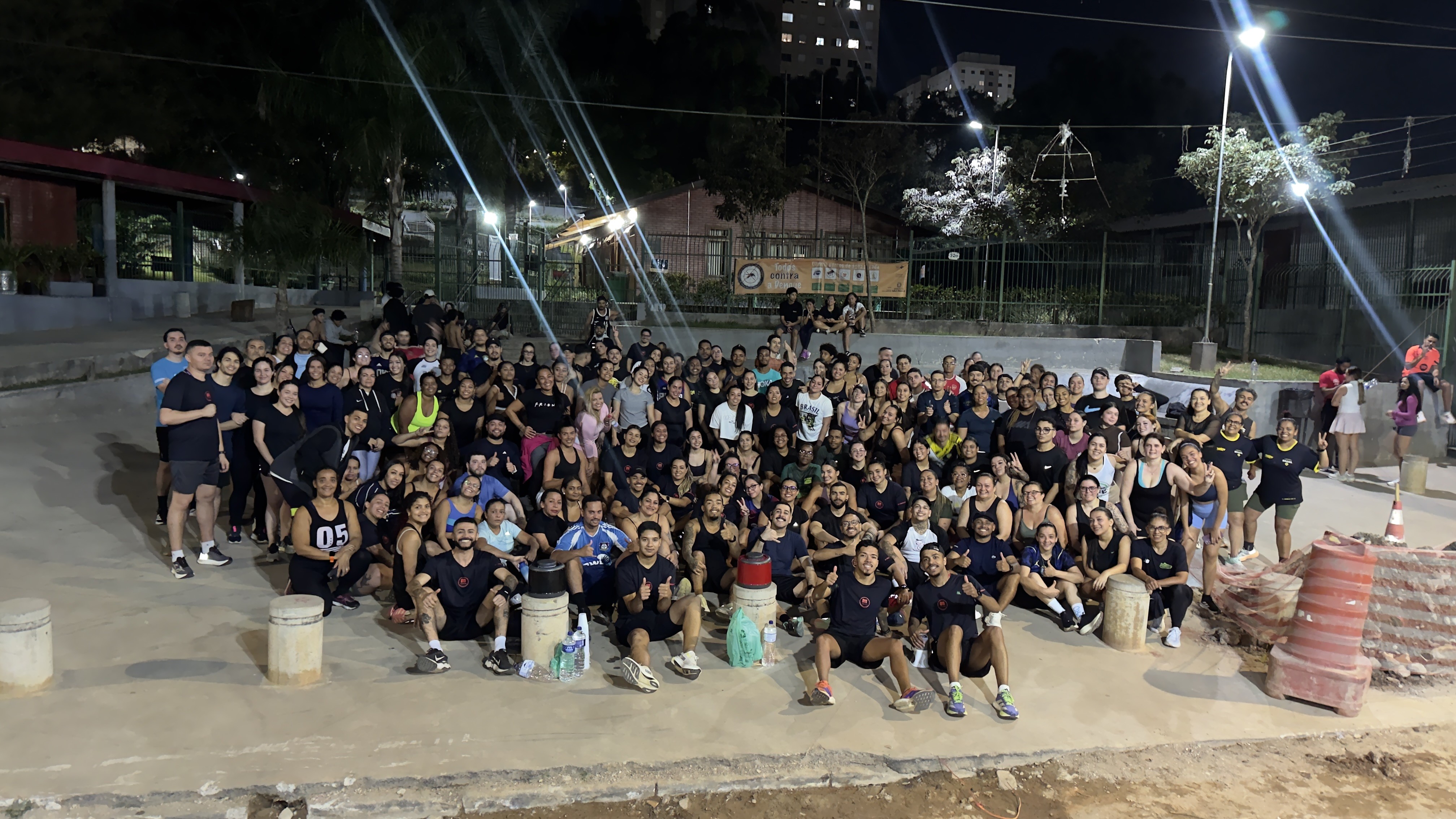
The '011 Corre' running group in Paraisópolis, a community in São Paulo's South Zone, has transformed the lives of over 500 residents since its inception in January. Co-founded by Luigi Santos Silva, 23, and Luis Gustavo, 25, the group emerged from their personal journeys of finding direction through running. Initially sharing their own training on social media, they were inspired to create a community initiative to encourage others in Paraisópolis to embrace the sport.
The group now boasts around 500 registered participants, with 100 to 150 attending each official training session held every Monday at 8 PM at AMA Paraisópolis. '011 Corre' has become more than just a physical activity; it provides participants with discipline, focus, purpose, self-esteem, and a new perspective on life. Many members, ranging from 16 to over 40 years old, had never joined a running group before and have since progressed from struggling to run 1 km to comfortably completing 5 km.
Beyond physical health, the initiative addresses mental well-being and builds a crucial support network within the community, combating the lack of opportunities, safe spaces, and role models that often deter peripheral residents from sports. However, challenges persist, including the financial barrier of acquiring basic running gear, estimated at R$515, with a full kit costing around R$1,045. Some members, like system analyst Mike Johnnatan, 30, also report experiencing racism during runs, including unwarranted police stops, highlighting a societal bias against Black individuals participating in such activities. '011 Corre' also organizes 'Clandestinos' (spontaneous weekday runs) and '011 Corre por Elas,' a women-only event held on the third Sunday of each month.
The '011 Corre' initiative demonstrates the power of community-driven sports programs in fostering social cohesion and personal development, particularly in underserved urban areas. By leveraging shared experiences and social media, the group has effectively created a sense of belonging and purpose, addressing common barriers to physical activity such as lack of motivation and perceived exclusion. The reported instances of racism during runs highlight systemic issues that can intersect with participation in public spaces, underscoring the need for broader societal awareness and intervention beyond the immediate community. Furthermore, the significant cost of basic athletic equipment presents an economic hurdle that limits accessibility, suggesting that future support structures might consider addressing these financial disparities to ensure equitable participation in health-promoting activities. The group's success offers a scalable model for positive change, emphasizing how accessible, community-focused initiatives can cultivate resilience and well-being.
AI-generated to prompt reflection — not editorial opinion, not advice, not a statement of fact. How this works.