Paraisópolis Shooting Trial: Defense Cites Prince William Photos to Question Bodycam Evidence
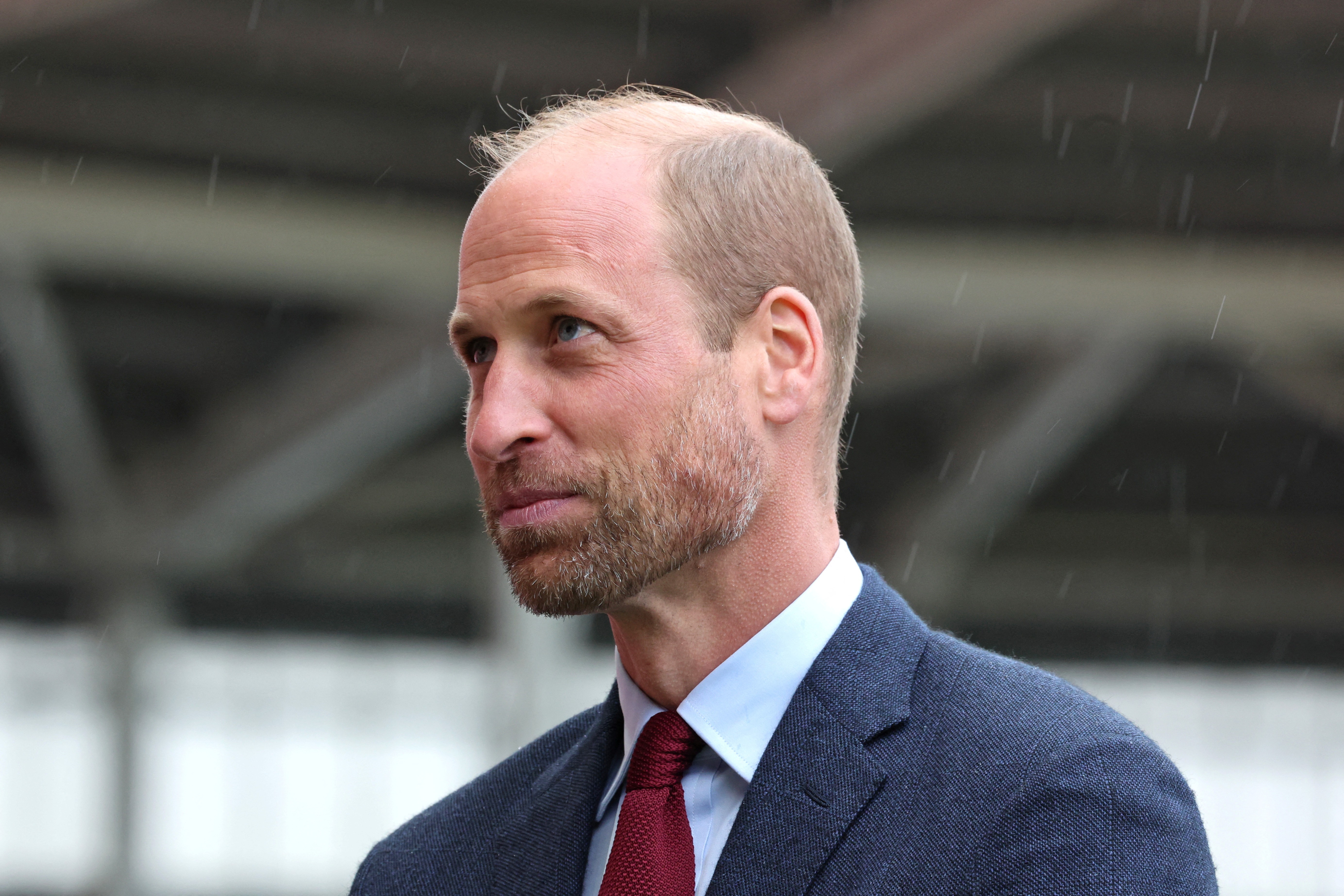
The trial of two military police officers accused of killing Igor Oliveira de Moraes Santos, 24, in Paraisópolis, São Paulo, resumed on Thursday, October 30th. During the proceedings, the defense attorneys for the officers presented photographs of Prince William to argue that visual evidence can be misinterpreted depending on the camera angle. They showed images from 2018 where Prince William appeared to make an obscene gesture, but other angles revealed he was merely holding up three fingers to indicate the birth of his third child. This comparison was used to suggest that the bodycam footage of the shooting incident could also lead to misinterpretations.
The prosecution, however, maintains that two distinct bodycam videos, showing different angles, clearly depict the moment Igor Oliveira de Moraes Santos was shot. According to the prosecution, these recordings show the young man unarmed and complying with police orders before the shots were fired. The defense contends that the videos do not capture the full context of the police operation and that the jurors must consider the overall situation.
Cabo Renato Torquatto da Cruz and Cabo Robson Noguchi de Lima are on trial for the murder of Igor Oliveira de Moraes Santos during a police operation last year. The prosecution alleges the victim was executed after surrendering. The defense claims the officers' actions were legitimate. Two other soldiers, Hugo Leal de Oliveira Reis and Victor Henrique de Jesus, are also charged as collaborators in the crime, but their case has been separated and will be tried later. The trial, which entered its third day on Thursday, also involved a closed-door session to re-hear a protected witness who allegedly gave false testimony earlier in the proceedings.
This case highlights the critical role of visual evidence and its interpretation in legal proceedings, particularly concerning police conduct. The defense's strategy of using Prince William's photographs to illustrate how perspective can alter perception underscores the inherent challenges in relying solely on bodycam footage. While such technology aims to provide objective accounts, the context, framing, and potential for misinterpretation remain significant factors. The prosecution's assertion that the footage clearly shows an unarmed victim complying with orders suggests a potential conflict between raw visual data and the narrative constructed by each side. Moving forward, the jury's task involves discerning the truth from potentially ambiguous visual records, considering the established legal standards for use of force and the specific circumstances of the incident, while also evaluating the credibility of witness testimony and the defense's arguments about situational context.
AI-generated to prompt reflection — not editorial opinion, not advice, not a statement of fact. How this works.