Parakeets Damage Traffic Light Wiring in Feira de Santana, Brazil
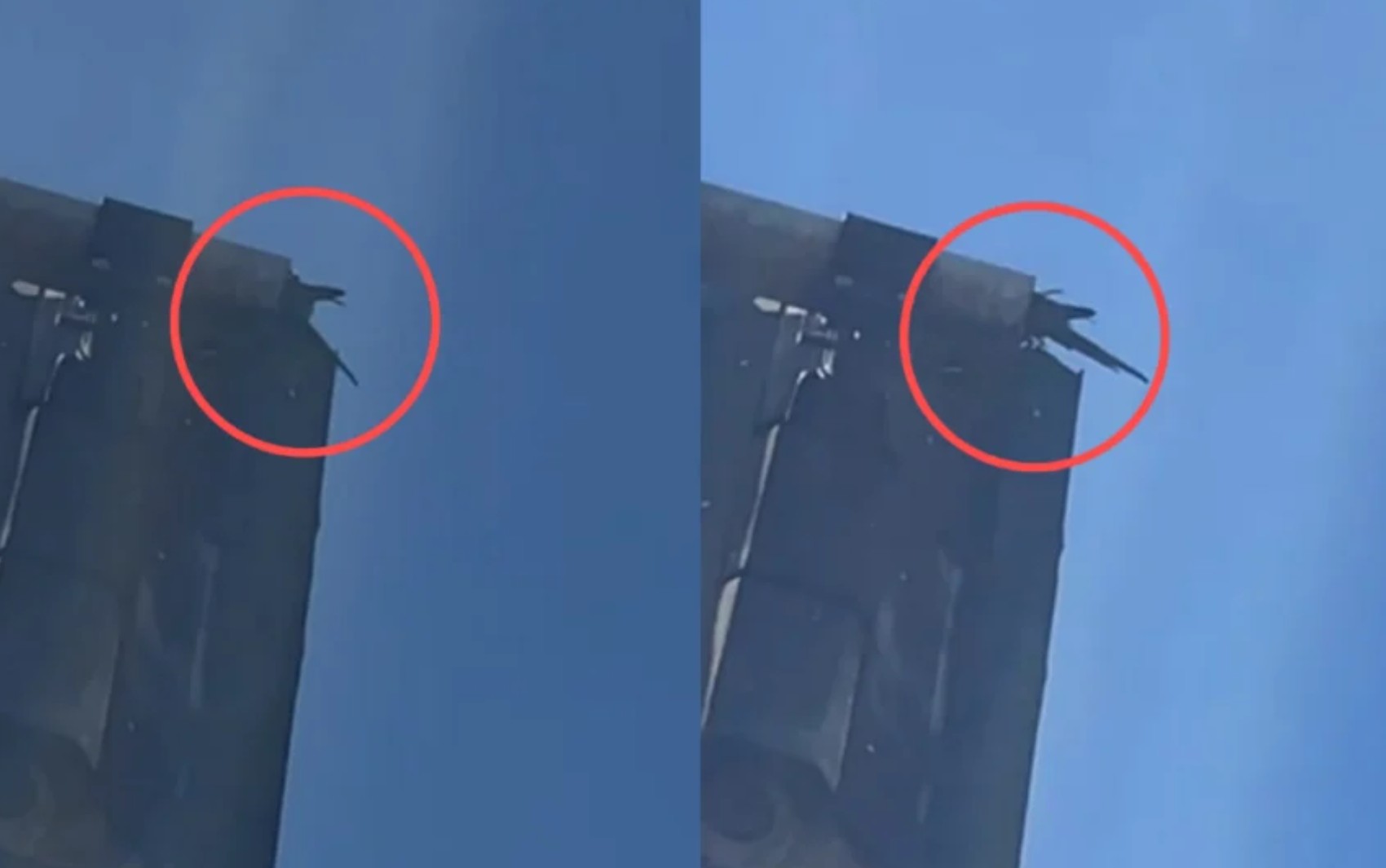
Parakeets are causing damage to traffic light wiring in Feira de Santana, the second-largest city in Bahia, Brazil. The Municipal Transit Superintendency (SMT) reported that these incidents have resurfaced in the past 15 days, leading to malfunctions in the traffic signal equipment. Key affected intersections are located near Casa de Saúde Santana and on Castro Alves Avenue in the city center. According to SMT superintendent Ricardo Cunha, a blinking traffic light during the day can be an indicator of bird activity. The parakeets enter the signal arms and damage the wiring, which compromises the electrical structure. Cunha explained that the birds gnaw on the wires due to exploratory instinct rather than for food. To mitigate the issue without harming the birds, the SMT has replaced the access covers for the traffic light wiring to prevent bird entry. This preventive measure has been implemented across all traffic signal points in the city. The frequency of these incidents fluctuates with the parakeet population's activity periods, having been noted last year but increasing in recent weeks. While traffic signal failures have occurred, the SMT has not recorded any accidents related to this problem. However, the damage incurs financial costs for the municipality due to the need for maintenance and replacement of the damaged wiring.
The recurring issue of parakeets damaging traffic light infrastructure in Feira de Santana highlights a common challenge at the intersection of urban development and wildlife. This situation underscores the need for adaptive infrastructure design that anticipates and accommodates the presence of local fauna, rather than solely relying on reactive maintenance. As urban environments expand, such conflicts may become more frequent, necessitating proactive engineering solutions that prioritize both functionality and ecological integration. The SMT's response, focusing on physical barriers to prevent access, represents a practical, short-term mitigation strategy. However, a longer-term perspective might explore more sophisticated deterrents or infrastructure modifications that are less resource-intensive and more sustainable, potentially drawing on advancements in materials science or behavioral ecology to coexist with urban wildlife.
AI-generated to prompt reflection — not editorial opinion, not advice, not a statement of fact. How this works.