Paralyzed Fingers Play Brahms After 40 Years
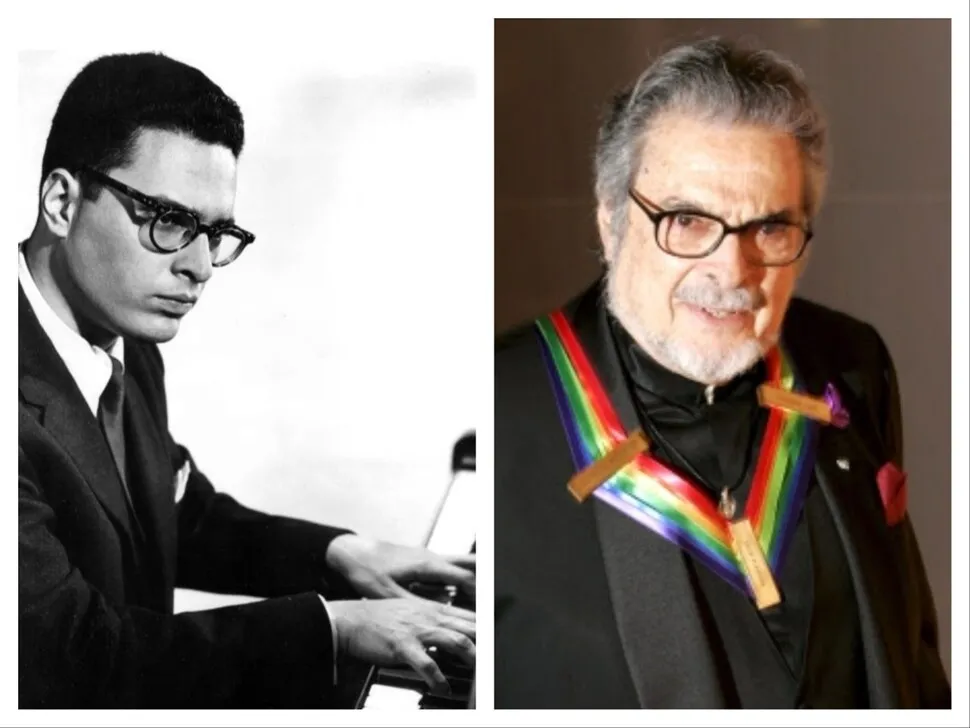
A person whose fingers were paralyzed for 40 years has regained the ability to play Brahms' music. The specific details of the condition and the treatment that led to this remarkable recovery are not provided in the source text. However, the headline emphasizes the long duration of the paralysis and the significant musical achievement of playing a complex composer like Brahms after such a long period. This event highlights the potential for recovery and the enduring human desire to connect with art and music, even after decades of physical challenge. The story is presented as a testament to perseverance and the possibilities of overcoming long-term physical limitations.
This narrative underscores the profound human capacity for recovery and artistic expression, even after extended periods of physical impairment. The successful resurgence of musical ability after a 40-year paralysis invites reflection on the interplay between neurological plasticity, therapeutic interventions, and individual determination. From a systemic perspective, such cases can inform advancements in rehabilitation science and assistive technologies, potentially expanding access to fulfilling activities for individuals with disabilities. The long-term implications suggest a growing societal recognition of the importance of holistic well-being, where overcoming physical barriers to engage with culture and personal passions is increasingly valued.
AI-generated to prompt reflection — not editorial opinion, not advice, not a statement of fact. How this works.