Paramagnetic Chlorine-Functionalized Carbon Nanotubes for Biomedical Use
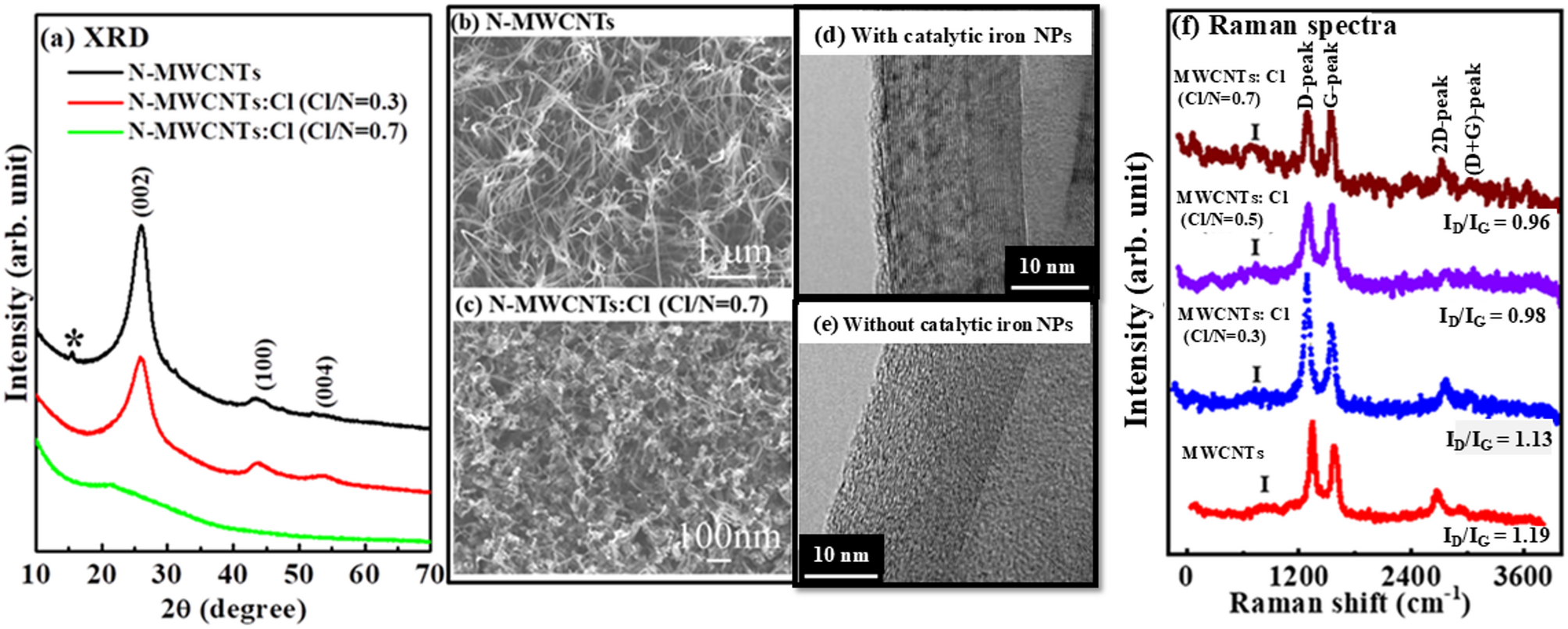
Researchers have developed paramagnetic chlorine-functionalized nitrogenated multiwall carbon nanotubes (N-MWCNTs: Cl) for potential biomedical applications. These novel nanomaterials combine the properties of carbon nanotubes with specific functionalization to enhance their utility in biological contexts. The nitrogenation process is crucial for altering the electronic structure and surface chemistry of the nanotubes, while the addition of chlorine further modifies their characteristics. The paramagnetic nature of these N-MWCNTs: Cl allows for external magnetic field manipulation, opening avenues for targeted drug delivery and advanced imaging techniques. This development represents a step forward in the design of sophisticated nanomaterials tailored for the complex demands of modern medicine. The specific properties of these functionalized nanotubes are being explored for their efficacy and safety in various biomedical scenarios.
The development of functionalized carbon nanotubes like N-MWCNTs: Cl highlights the ongoing trend of material science innovation aimed at enhancing precision and control in biomedical interventions. The integration of paramagnetic properties alongside specific chemical functionalization suggests a strategic approach to overcoming challenges in targeted therapies and diagnostics. Future research will likely focus on scaling production, rigorous in-vivo safety assessments, and demonstrating clear clinical advantages over existing technologies. The long-term impact will depend on the cost-effectiveness, biocompatibility, and efficacy demonstrated in human trials, potentially influencing the next decade's landscape of nanomedicine.
AI-generated to prompt reflection — not editorial opinion, not advice, not a statement of fact. How this works.