Paraná Alerted for Winds Over 80 km/h, Risk of Roof Damage and Falling Trees
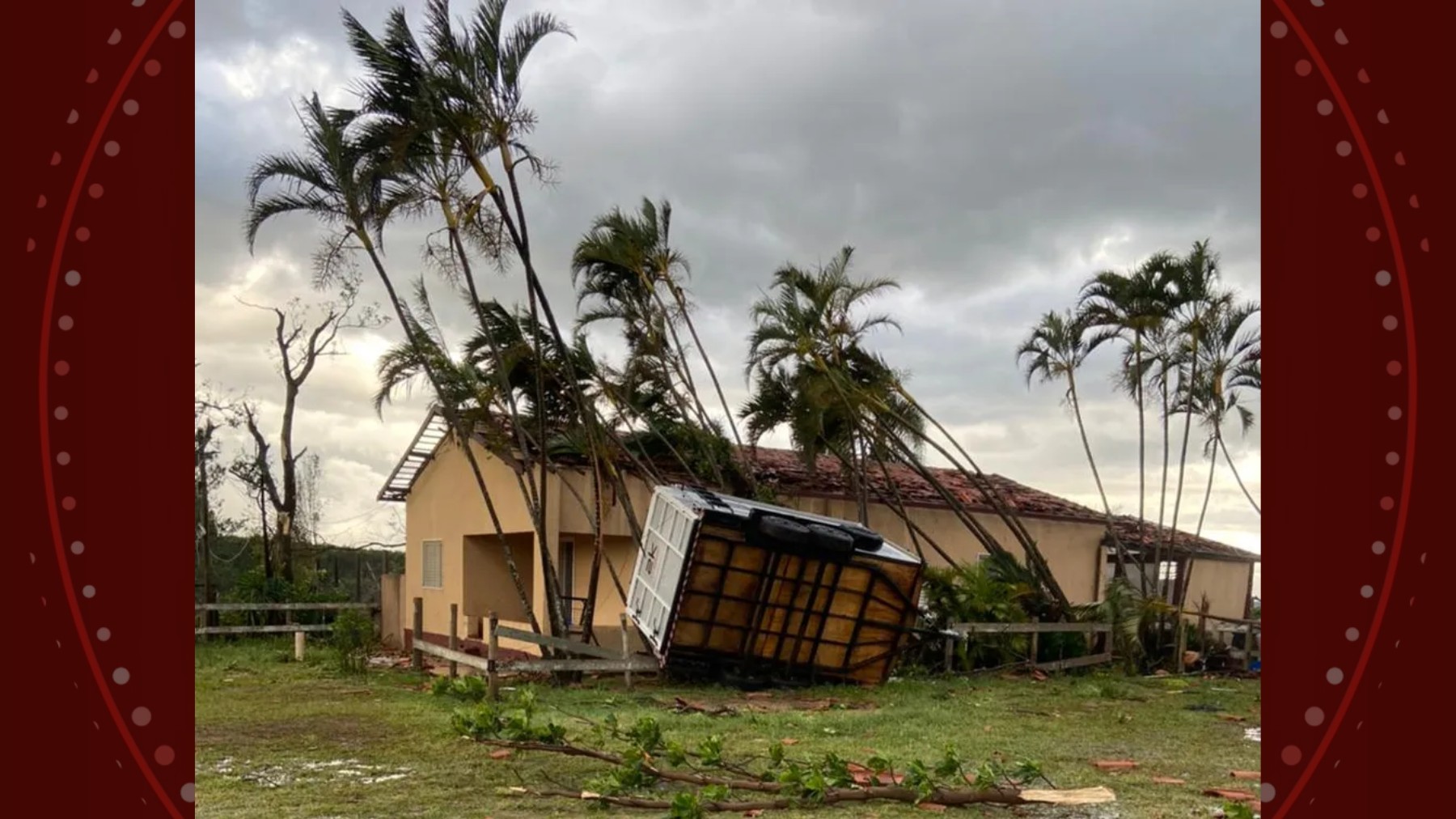
The state of Paraná, Brazil, is under an alert for strong winds, with gusts potentially exceeding 80 km/h from Thursday, July 16th, through Saturday, July 18th. The warning was issued by the Civil Defense in conjunction with the Simepar (System of Technology and Environmental Monitoring). The high wind speeds pose a significant risk of falling tree branches, entire trees, roof damage, and disruptions to the electrical grid. Residents are advised to avoid seeking shelter near trees, poles, or unsecured objects that could be dislodged by the wind. The strong winds are expected to affect the state progressively, starting in the central and western regions and spreading throughout. While most of the state may experience winds above 50 km/h until Saturday, the coast is not expected to be as severely impacted. Despite the wind, the weather across Paraná is forecast to remain clear and sunny, with no significant storms predicted within the state itself. However, a low-pressure system over the continent is expected to draw moisture from the Amazon basin, potentially fueling storms in the southern region of Brazil, particularly in Rio Grande do Sul. The prevailing winds in Paraná are attributed to this system, which will also contribute to rising temperatures. The Civil Defense recommends staying informed about updates and avoiding risky situations during this period of strong winds. Emergency contact numbers for Civil Defense (199), Fire Department (193), and Copel (electricity issues, 0800 51 00 116) are provided, along with instructions on how to register for SMS weather alerts.
The alert issued by Paraná's Civil Defense and Simepar highlights the vulnerability of regional infrastructure and public safety to meteorological events. The forecast of winds exceeding 80 km/h, coupled with specific risks like roof destructuring and tree falls, points to a need for proactive infrastructure resilience planning. The advice to avoid certain shelters underscores the importance of public awareness campaigns in mitigating damage and injury. Looking ahead, the interplay between continental low-pressure systems and moisture from the Amazon basin suggests a complex regional climate dynamic, potentially increasing the frequency or intensity of such events. This necessitates an ongoing evaluation of urban planning and building codes to better withstand extreme weather, ensuring that infrastructure development aligns with evolving climate realities and minimizes systemic risks.
AI-generated to prompt reflection — not editorial opinion, not advice, not a statement of fact. How this works.