Paraná braces for storms following tornado and hail in Southern Brazil
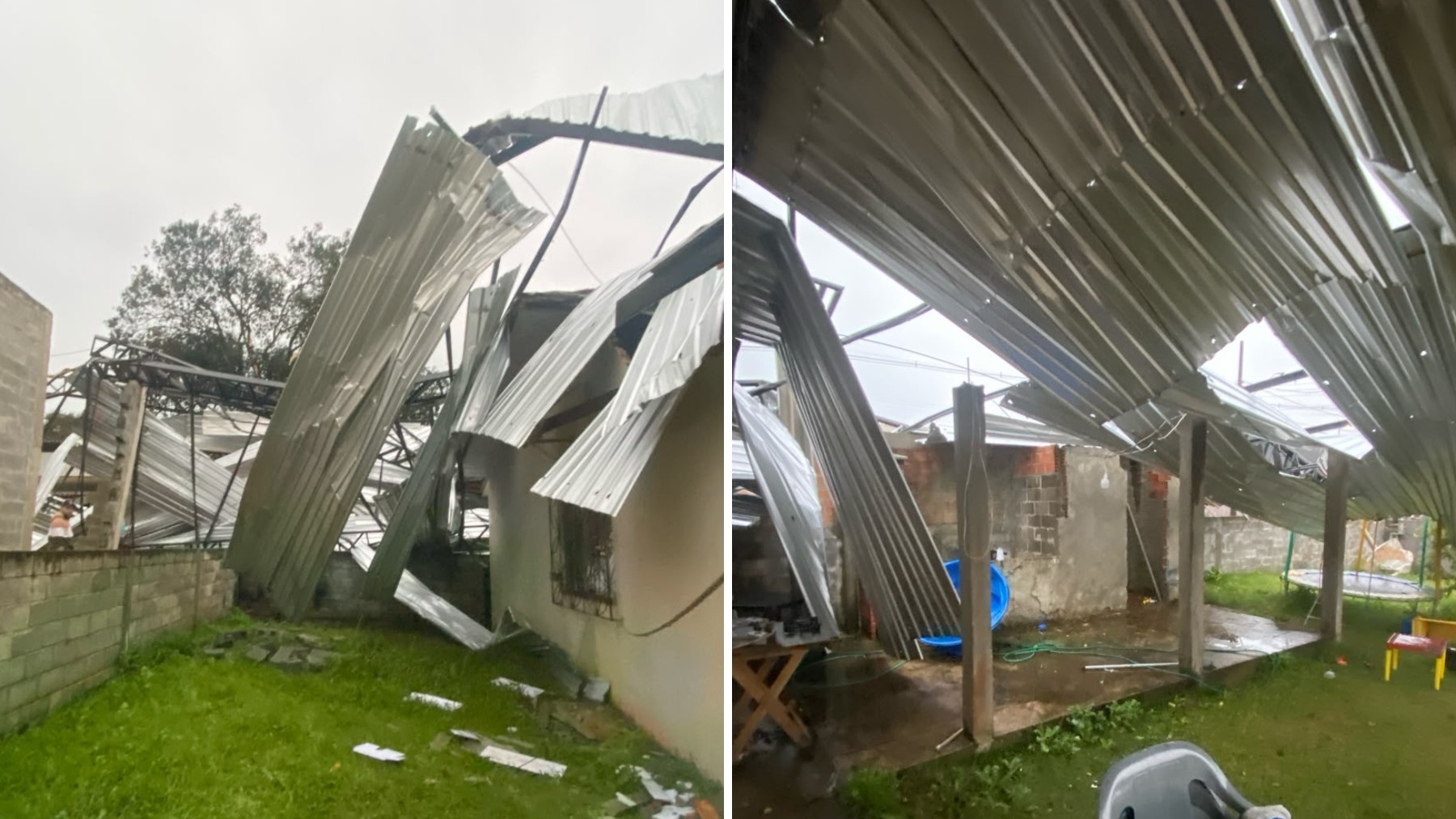
Following severe storms, including a tornado in Rio Grande do Sul and hail in Santa Catarina on Tuesday, May 28th, the state of Paraná has issued a storm alert for Wednesday, May 29th. Meteorologists from Simepar and Climatempo confirm that the same weather system affecting Rio Grande do Sul is impacting Paraná, though the atmospheric conditions are less unstable. While the situation remains most critical in Rio Grande do Sul, Santa Catarina and Paraná are now at risk of severe thunderstorms after experiencing sunny weather for the past three days. The most affected regions in Paraná are expected to be the central-south, central-west, and southwest.
The alert from Simepar and the Civil Defense warns of potentially intense thunderstorms, heavy short-duration rainfall, strong wind gusts exceeding 80 km/h, lightning, and hail. These conditions could lead to fallen branches and trees, flooding, roof damage, crop destruction, and power outages. In Laranjeiras do Sul, damage has already begun, with a warehouse roof being torn off and hitting a nearby house, though no injuries were reported. Wind speeds recorded by Simepar as of 9:15 AM on Wednesday included 81.4 km/h in General Carneiro and 75.6 km/h in Laranjeiras do Sul.
Looking ahead, atmospheric instability is expected to decrease in Paraná on Thursday, May 30th, with increased cloud cover and light, occasional rain in the eastern part of the state. Isolated showers may occur in the west and northwest. On Friday, May 31st, cloud cover will persist in the central-south, southeast, Campos Gerais, and eastern regions, with cooler morning temperatures. The western interior is forecast to see warmer afternoons. The current severe weather is attributed to a combination of factors, including a low-pressure system, a cold front, a developing extratropical cyclone, and a persistent flow of warm, moist air from tropical regions, fueling the formation of storm clouds.
The convergence of multiple meteorological phenomena, including low-pressure systems, cold fronts, and extratropical cyclones, highlights the increasing volatility of weather patterns in Southern Brazil. This event underscores the critical need for robust early warning systems and resilient infrastructure capable of withstanding extreme weather events, which are likely to become more frequent and intense in the coming decade due to climate shifts. The response coordination between meteorological agencies and civil defense is crucial for mitigating damage and ensuring public safety, demonstrating a systemic approach to disaster preparedness. Future planning must integrate climate projections to adapt infrastructure and community resilience strategies.
AI-generated to prompt reflection — not editorial opinion, not advice, not a statement of fact. How this works.