Paraná, Brazil, Hit by Eight Tornadoes in Nine Months
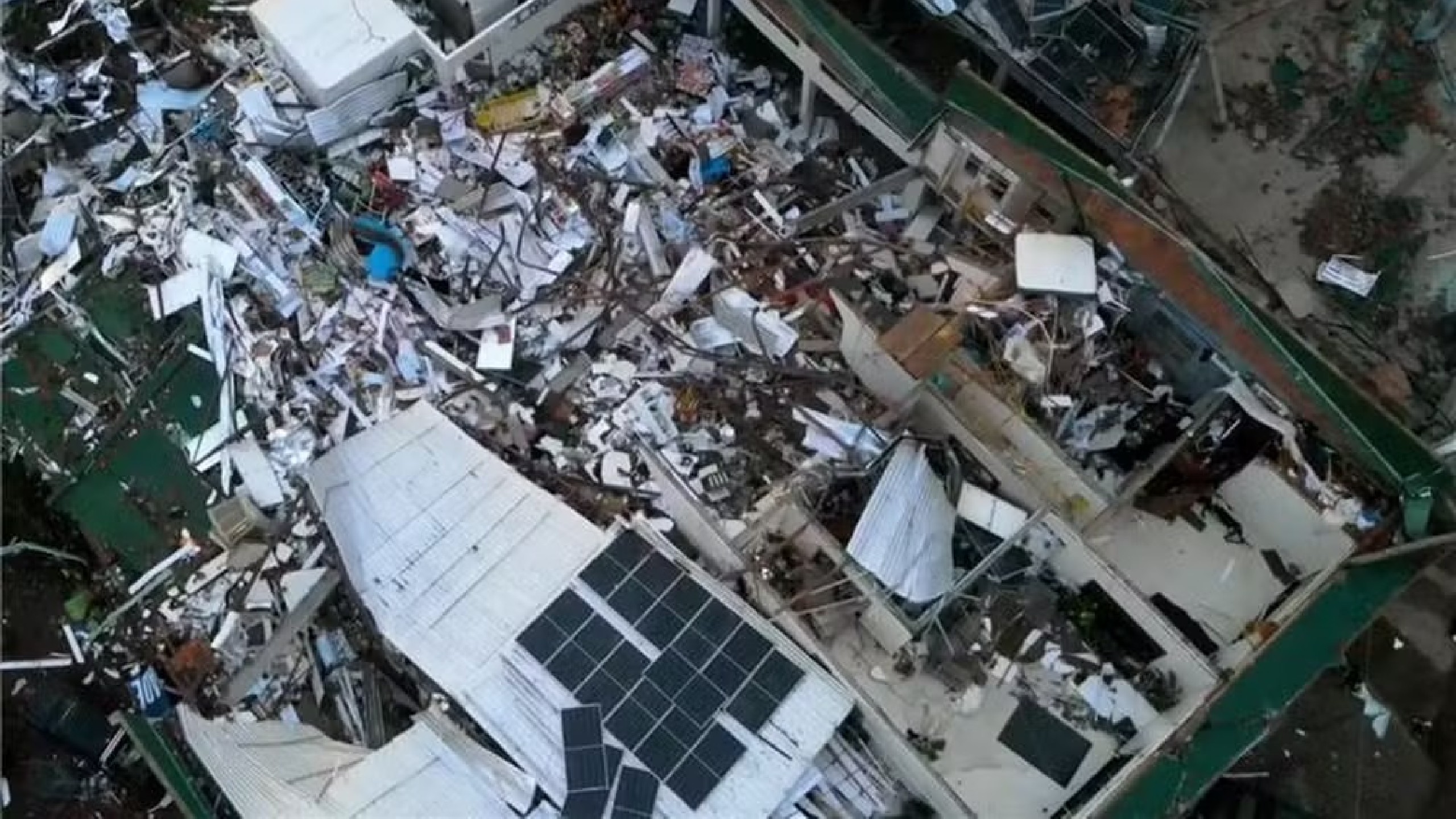
The Brazilian state of Paraná has experienced at least eight tornadoes within a nine-month period, with the most recent occurring on June 30th in Reserva, Campos Gerais. Meteorologists from the Paraná Environmental Technology and Monitoring System (Simepar) confirmed the events. This recent tornado in Reserva, classified as F2 with winds up to 200 km/h, caused significant damage to 11 homes, affected approximately 50 people, and displaced 10 residents. Earlier in the year, January 2026 saw an F1 tornado in Mercedes and an F2 tornado in São José dos Pinhais, with winds reaching 180 km/h. February 2026 recorded the mildest tornado, an F0 in Foz do Iguaçu, impacting only one property. The state's tornado activity began in September 2025 with an F1 in Santa Maria do Oeste. November 2025 was particularly severe, with three devastating tornadoes hitting the central region. One tornado affected multiple cities, including Rio Bonito do Iguaçu, which was largely destroyed by an F4 tornado with winds near 400 km/h. This event resulted in six fatalities in Rio Bonito do Iguaçu and one in Guarapuava, with a total of 835 people injured across the state. Experts note that Paraná is situated in one of the world's most tornado-prone regions, second only to the central plains of the United States, due to a combination of warm and cold air masses, convective systems from Paraguay, and cold fronts often associated with cyclones along the coast. Tornadoes are classified using the traditional Fujita Scale (F), which categorizes their intensity based on wind speed and the resulting damage, ranging from F0 (light damage) to F5 (extreme destruction).
Paraná's high frequency of severe weather events, including eight tornadoes in nine months, highlights the complex interplay of meteorological factors in the region. The state's geographical position and atmospheric conditions create a consistent environment for severe storm formation, emphasizing the need for robust public safety infrastructure and advanced early warning systems. The economic and social impact of these events, particularly the widespread destruction in Rio Bonito do Iguaçu, underscores the vulnerability of communities to extreme weather. Future planning must consider the increasing likelihood of such phenomena, driven by evolving climate patterns, and focus on resilient infrastructure and community preparedness to mitigate future losses.
AI-generated to prompt reflection — not editorial opinion, not advice, not a statement of fact. How this works.