Paraná Council Approves Reserved Parking for Lawyers
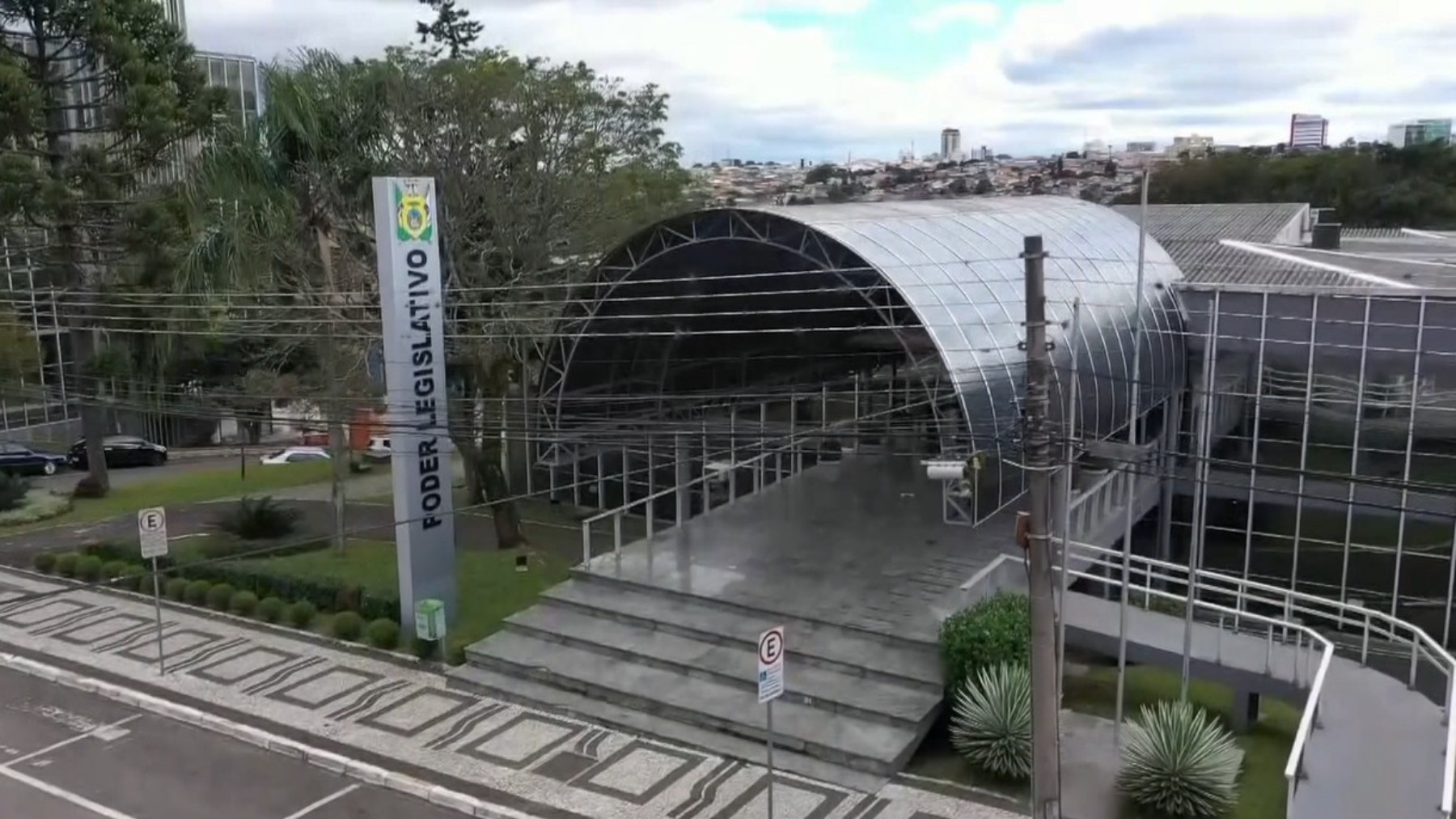
The City Council of Ponta Grossa, a city of 375,000 inhabitants in Paraná, Brazil, has approved the creation of exclusive parking spaces for lawyers. Proposed by Council President Julio Kuller, the measure passed with a 15-3 vote and awaits sanction or veto from the Municipal Executive Branch. The city is currently conducting legal and technical reviews to assess the project's constitutionality and legality. The approved text mandates the creation of public parking spots, including in regulated rotational systems, for vehicles used by lawyers actively engaged in their professional duties. If enacted, these spaces must be located within 50 meters of judicial offices, the Public Prosecutor's Office, the OAB (Brazilian Bar Association) sub-section, police stations, prisons, the City Hall, the Council building, and other public administration offices. Proper use requires displaying an OAB credential or a specific permit, and the lawyer must be actively performing professional duties at an adjacent location. Improper parking will result in fines. Proponents argue the measure is necessary to address parking scarcity near public offices, ensuring punctuality and efficient legal practice, ultimately benefiting citizens. The OAB sub-section of Ponta Grossa supports the initiative, viewing it as a tool to realize professional prerogatives rather than a privilege, citing similar provisions in other cities and state courts. Conversely, the Ponta Grossa Commercial, Industrial, and Business Association (ACIPG) opposes the project, arguing it violates principles of equality, harms collective interest, and reduces parking availability for the general public and businesses in central areas.
The approval of dedicated parking spaces for lawyers in Ponta Grossa highlights a recurring tension between professional prerogatives and public access. While proponents frame the measure as essential for efficient legal practice and a tool to uphold constitutional rights, critics argue it infringes upon principles of equal access and public utility. This initiative raises questions about the equitable distribution of public resources and whether preferential treatment for one professional group, even one deemed essential to justice, aligns with broader public interest goals. Future considerations might involve exploring integrated urban planning solutions that address parking needs for all essential public service providers and citizens, rather than creating category-specific allocations that could lead to further fragmentation and potential disputes over public space utilization.
AI-generated to prompt reflection — not editorial opinion, not advice, not a statement of fact. How this works.