Paraná Faces Storm Alerts; Meteorologists Predict Rain Lull by Monday
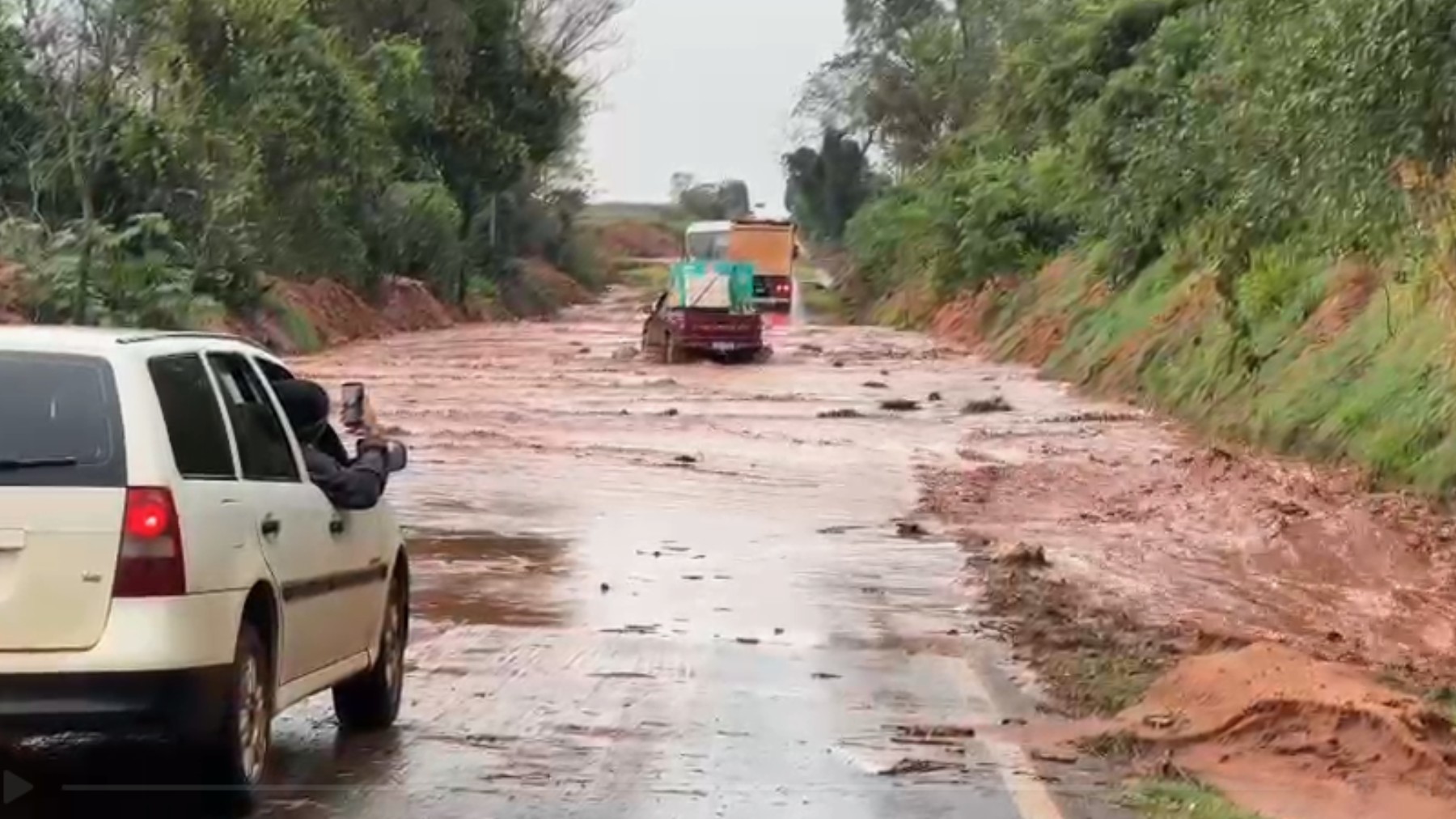
The state of Paraná, Brazil, is under a moderate storm alert issued by Simepar and Civil Defense for Friday, July 24th. The alert warns of irregular, heavy rainfall over short periods, strong wind gusts, lightning, and localized hail, primarily affecting the central and northern regions. These storms carry risks of falling branches, flooding, overflowing streams, crop damage, reduced road visibility, and power outages. Meteorologist Paulo Barbieri noted that instability with isolated showers and thunderstorms began early Friday in the northwest, north, and parts of the central regions, expected to spread statewide by afternoon and evening. A section of PR-494 in the northwest was already flooded Friday morning. Rain is forecast to continue intermittently through Sunday, July 26th, with isolated showers and thunderstorms expected in various regions on Saturday, July 25th, particularly in the northwest, west, and north. Sunday will see a new system bringing potential isolated storms to the west, southwest, and south-central areas due to moisture flow from northern Brazil. However, a respite is expected on Monday, July 27th, with sunshine and rising temperatures across the state, potentially exceeding 30°C in the north. This break is anticipated to be brief, with a return of rain predicted for Tuesday, July 28th, in the west and southwest.
The meteorological forecast for Paraná highlights the dynamic interplay of atmospheric conditions, with a series of storm systems and subsequent lulls. This pattern underscores the vulnerability of regions with varying topographies and weather systems to extreme precipitation events, impacting infrastructure and agriculture. The forecast's detailed regional breakdown and risk assessment, provided by Simepar and Civil Defense, exemplify a proactive approach to disaster preparedness. Future climate projections may indicate shifts in the frequency and intensity of such events, necessitating ongoing adaptation strategies for resilient infrastructure and agricultural practices. Understanding these cyclical weather patterns is crucial for regional planning and resource management, particularly in anticipating the economic and social impacts of severe weather.
AI-generated to prompt reflection — not editorial opinion, not advice, not a statement of fact. How this works.