Paraná Farmer Fined Over Half a Million Reais for Deforestation
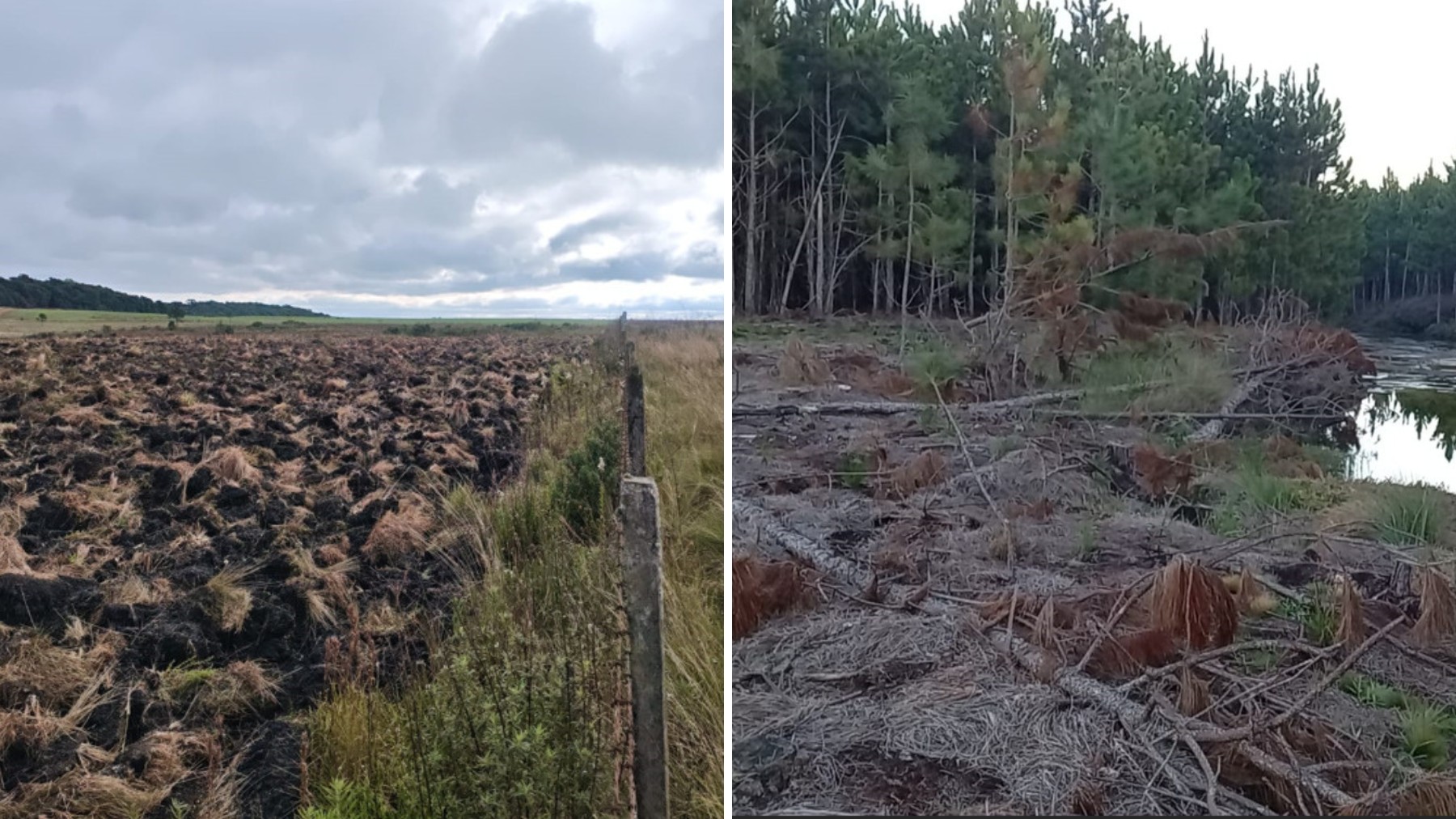
A farmer in Ponta Grossa, Paraná, Brazil, has been fined R$ 542,000 for illegally clearing native forests to make way for plantations. The deforested area spans approximately 36.4 hectares, equivalent to more than 50 football fields. This destruction occurred in a Permanent Preservation Area (APP) within the Escarpa Devoniana Environmental Protection Area (APA) in the rural district of Itaiacoca. The farmer's name has not been released by authorities. The cleared vegetation included various native species such as assa-peixe, samambaia, sempre-vivas, vassourinha, flor-da-quaresma, and lavoisiera. According to the Environmental Military Police, the cutting of native species requires environmental authorization from the Paraná State's Water and Land Institute (IAT), regardless of the location. The police documented two distinct areas of damage: one measuring 32.8 hectares and another 3.6 hectares. In addition to the substantial fines, the farmer has been instructed to submit a Degraded Area Recovery Project (PRAD) to the IAT. The individual will also face criminal charges for the environmental damage caused. The incident was reported on Friday, the 10th.
This incident highlights the tension between agricultural expansion and environmental protection mandates, particularly within designated conservation zones. The significant fine and subsequent legal actions underscore the regulatory framework in place to deter unauthorized deforestation. From a systemic perspective, the event points to potential enforcement gaps or the perceived economic incentives for land conversion that outweigh the immediate penalties. Looking ahead, the increasing pressure on natural resources, coupled with advancements in satellite monitoring and environmental forensics, suggests that such violations will become more detectable and subject to stricter accountability. The long-term challenge lies in balancing economic development with ecological sustainability, potentially through more integrated land-use planning and incentivizing conservation practices within agricultural frontiers.
AI-generated to prompt reflection — not editorial opinion, not advice, not a statement of fact. How this works.