Paraná Firefighters Return to Brazil After Venezuela Earthquake Rescue Mission
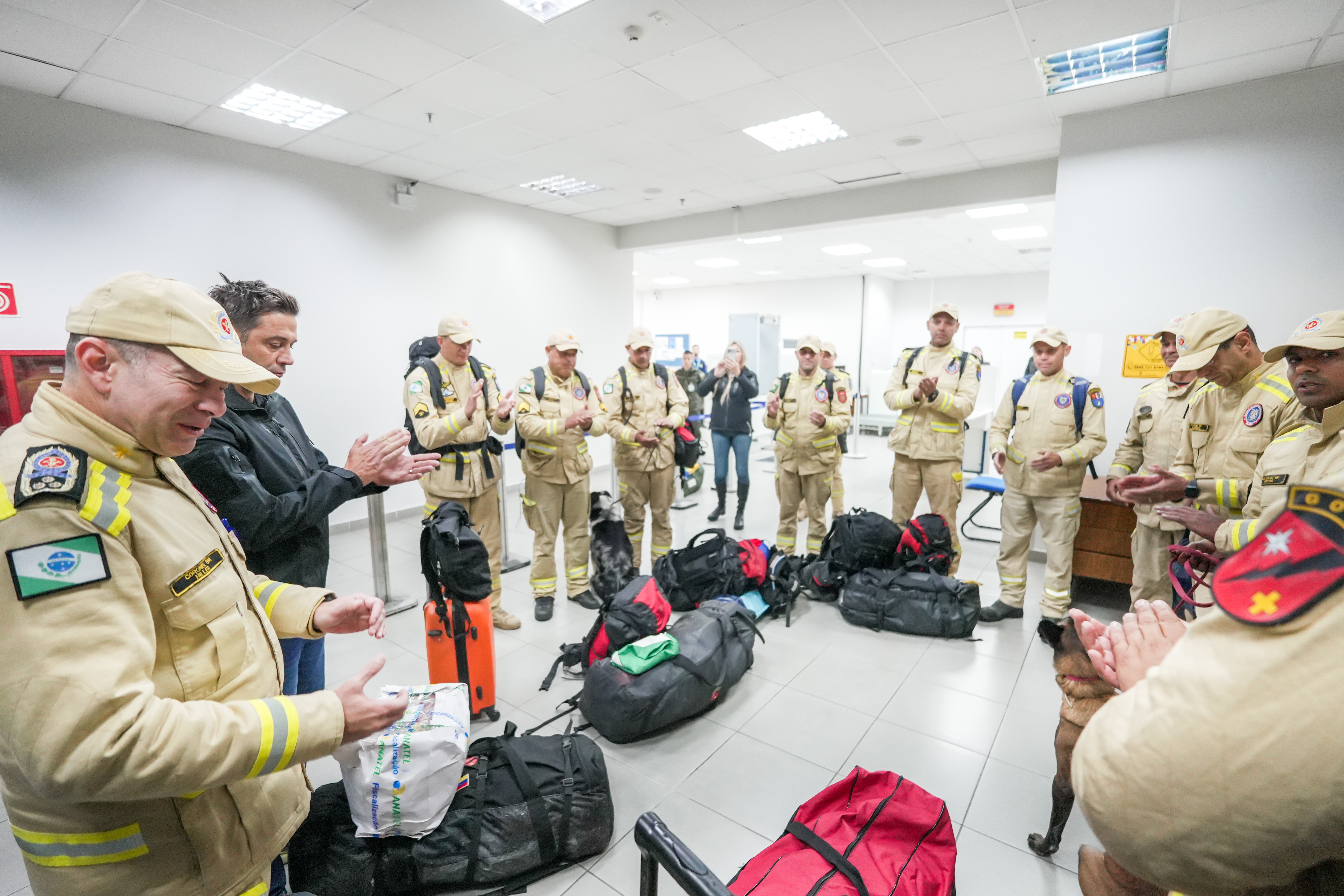
Military firefighters from Paraná, Brazil, have returned home after assisting in earthquake victim rescue operations in Venezuela. Their plane landed at Afonso Pena International Airport near Curitiba on Saturday, August 11th, at 6 AM, following a 16-day deployment. The mission came after two powerful earthquakes, measuring 7.2 and 7.5 magnitude, struck northern Venezuela on the night of June 24th. These seismic events, occurring less than a minute apart, were the strongest in the country in over a century. Venezuelan authorities reported that the earthquakes resulted in at least 4,118 deaths, 16,740 injuries, damage to 774 buildings, and the collapse of 189 structures. The Brazilian team was part of a larger task force, including contingents from São Paulo and Minas Gerais. The Paraná unit, designated BRA-01, is specialized in urban search and rescue and is undergoing certification with the United Nations. During their deployment, the firefighters, accompanied by two search dogs, focused on locating survivors in the "vital spaces" within collapsed structures along Venezuela's coast. While the specific details of the Paraná team's actions have not yet been fully disclosed, their efforts were concentrated on finding living individuals amidst the rubble.
The deployment of Brazilian firefighters to Venezuela highlights international cooperation in disaster response, a critical mechanism for mitigating the human cost of natural catastrophes. The scale of destruction reported, with thousands of fatalities and extensive infrastructure damage, underscores the vulnerability of regions to seismic activity, particularly in areas with potentially less robust building codes or preparedness measures. The involvement of UN-certified specialized teams suggests a growing emphasis on professionalizing and standardizing international rescue efforts. Looking ahead, the event prompts consideration of long-term resilience strategies, including early warning systems, earthquake-resistant construction standards, and sustained international aid frameworks to support recovery and reconstruction in affected nations. The effectiveness of such international deployments is often contingent on swift political will, logistical capacity, and the ongoing needs assessment of the affected population.
AI-generated to prompt reflection — not editorial opinion, not advice, not a statement of fact. How this works.