Paraná Lottery Players Win Big in Mega-Sena, Sharing Over R$85 Million Prize
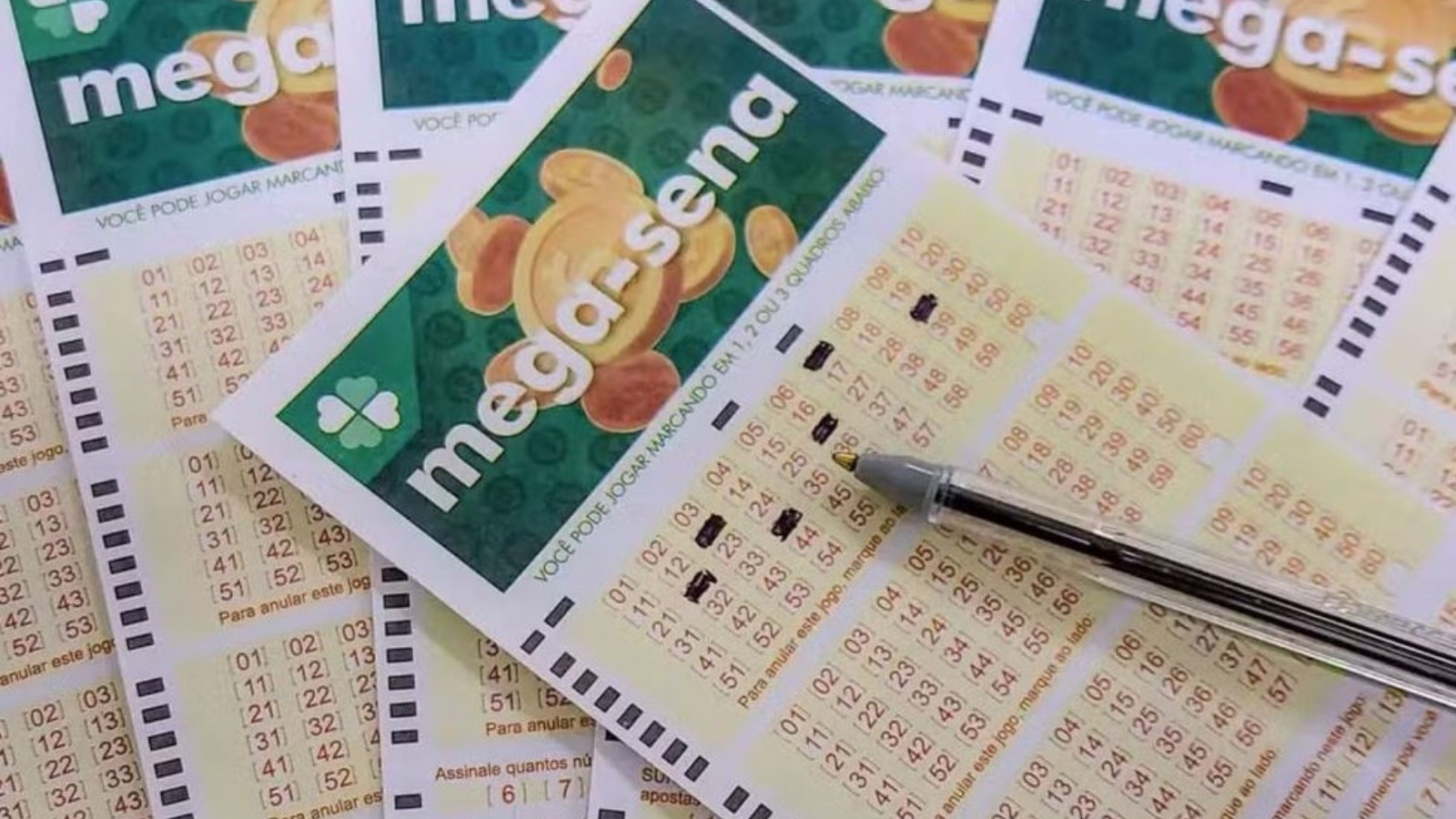
Three lottery tickets sold in Paraná, Brazil, have won significant prizes in the Mega-Sena lottery's 3038th drawing, held on Thursday, March 30th. While no single ticket matched all six numbers for the main jackpot, which rolled over to an estimated R$100 million for the next drawing on Sunday, March 2nd, three Paraná players successfully matched five numbers, securing a share of the prize pool exceeding R$85 million. Two individual ticket holders received R$64,733.96 each for their single bets, both placed via electronic channels in Curitiba and Ibaiti. A group bet, or 'bolão,' placed in Londrina at the Loterias Água da Sorte, won a larger share of R$194,201.80. The drawn numbers were 30, 35, 38, 39, 46, and 50. Mega-Sena drawings occur three times a week, on Tuesdays, Thursdays, and Saturdays, with minimum bets costing R$6 for six numbers. Players must be over 18 years old to participate and can place bets at lottery retailers nationwide or through various online platforms.
The Mega-Sena lottery's prize distribution highlights the inherent randomness of chance-based games and the potential for significant financial windfalls for individuals. While the accumulation of the main jackpot suggests a broad distribution of winning tickets across the country, the concentration of substantial secondary prizes in Paraná illustrates regional participation patterns. From a systemic perspective, lotteries serve as a form of voluntary taxation, generating revenue for public services while offering the allure of life-changing wealth. The analysis of such events should focus on the societal role of gambling, the psychological draw of large jackpots, and the economic implications of lottery revenue, rather than solely on the individual outcomes. Future considerations might include the long-term impact of such winnings on recipients and the broader economic effects of large, concentrated payouts within specific regions.
AI-generated to prompt reflection — not editorial opinion, not advice, not a statement of fact. How this works.