Paraná Municipality Secretary Arrested for Violating Court Orders
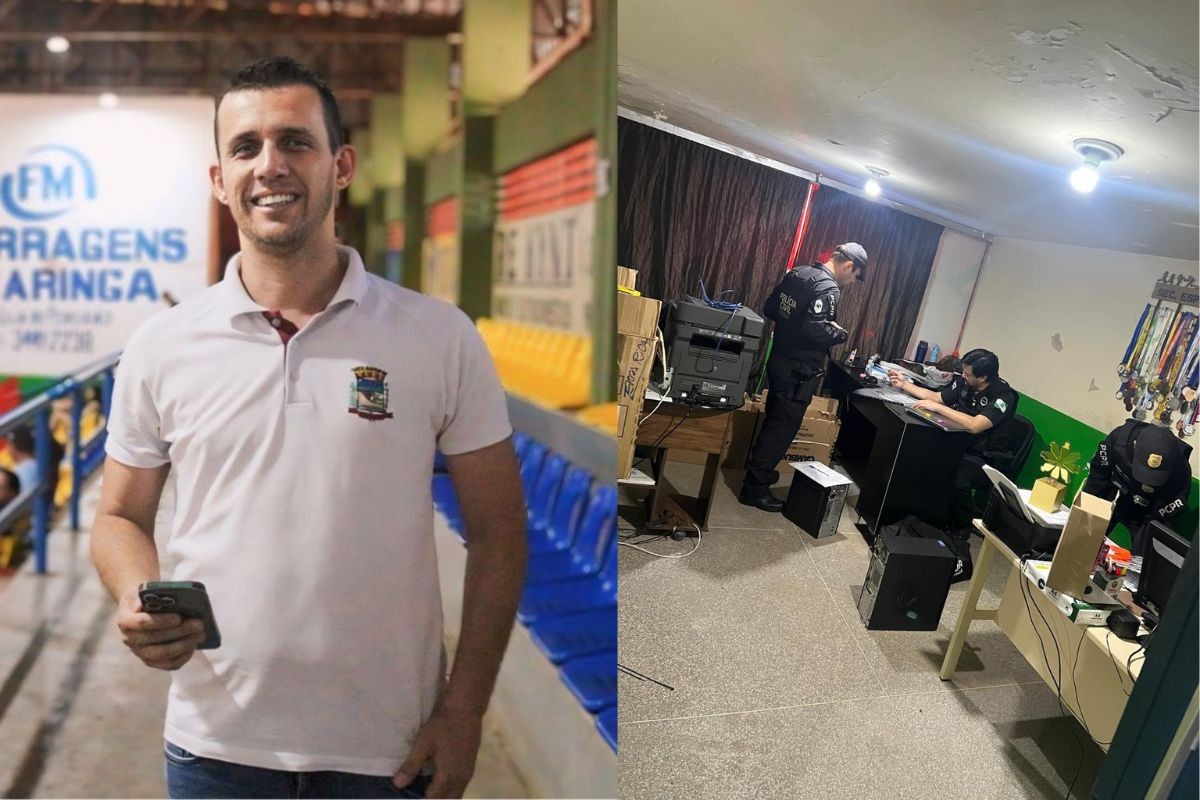
Celso Vinicius Azoia, the Secretary of Sports for Terra Rica in Paraná, Brazil, was arrested on Thursday, May 9th, for violating court-ordered precautionary measures. Azoia, also known as Kalunga, is under investigation for embezzlement, a crime involving the misappropriation of public funds for personal gain. Civil Police suspect that Azoia and another official diverted over R$100,000 from public sponsorships, advertisements, and rental of public spaces into private accounts, failing to remit the funds to the municipal treasury. This arrest follows a police operation a week prior, which involved searches and seizures of documents and electronic devices. During that operation, Azoia was suspended from his public duties for 180 days or until the investigation concludes. He was specifically prohibited from accessing the sports department, contacting staff, or interacting with involved businesspeople. However, authorities allege he disregarded these restrictions. Investigations suggest the alleged embezzlement scheme has been ongoing since 2024. According to Thiago Vicentini de Oliveira, delegate for the state division combating corruption, Azoia diverted funds from advertising space rentals at the Terra Rica Sports Gymnasium, with payments directly deposited into his account, received in cash, or via discounted checks, bypassing public bidding processes. The investigation also revealed that funds from a municipal-sponsored championship, where each of the R$800 registration fees were allegedly pocketed by officials, totaling approximately R$16,000, were also misappropriated. Furthermore, public assets were allegedly used to promote a private company. The Terra Rica municipality stated it was surprised by the events but pledged full cooperation with authorities.
The arrest of the Terra Rica Sports Secretary highlights systemic vulnerabilities in municipal financial oversight, particularly concerning the management of public funds derived from rentals and sponsorships. The alleged scheme, involving the diversion of over R$100,000 and the bypassing of public bidding processes, points to potential weaknesses in internal controls and accountability mechanisms within local government. Future governance frameworks could benefit from enhanced transparency protocols, independent audits of revenue streams, and stricter enforcement of conflict-of-interest regulations to mitigate such risks. The case underscores the importance of robust checks and balances to ensure public trust and the efficient allocation of resources, especially in an era where technological advancements can both facilitate and detect financial impropriety.
AI-generated to prompt reflection — not editorial opinion, not advice, not a statement of fact. How this works.