Paraná Police Face Investigation Over Explicit Violence Posts on Social Media
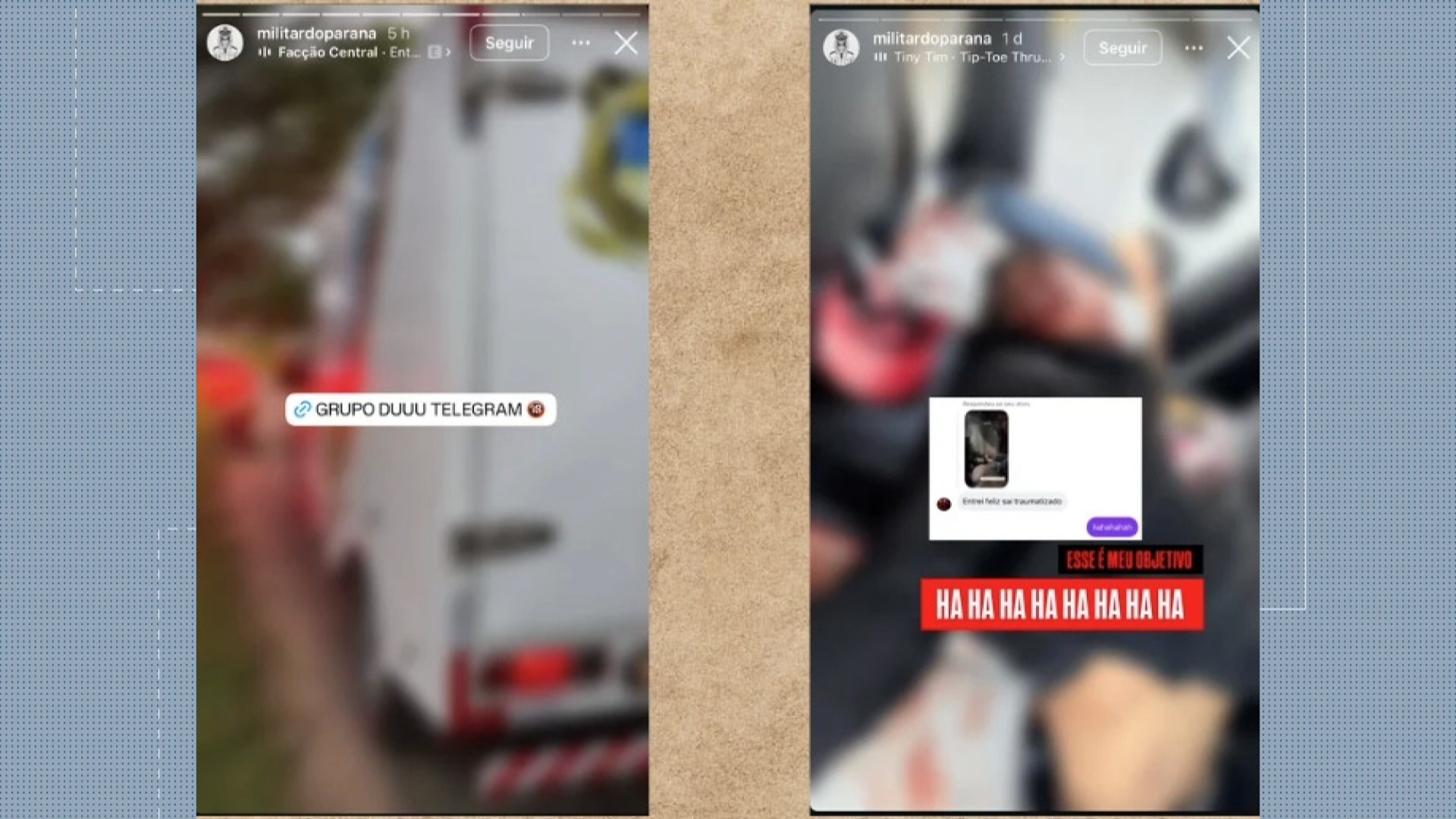
An Instagram profile that shared explicit images of deceased and injured individuals, as well as torture records, allegedly linked to the Paraná Military Police (PM-PR) is now under investigation. The profile, which had nearly 23,000 followers, also directed users to external links containing more violent content and was subsequently deactivated. Authorities are examining whether the 22-year-old owner of the page, who is not a police officer and has no known ties to law enforcement, profited from the dissemination of these materials. Investigations suggest the profile linked to a Telegram account where the owner received monetary payments via Pix for promoting videos of alleged abuses of authority and violence. The shared content often included commentary and jokes related to police operations, arrests, assaults, and deaths. Some posts reportedly showed police officers commenting on and sharing these explicit materials, although their names and faces were blurred in the investigation's evidence. A separate military police inquiry has been initiated to scrutinize the conduct of the officers appearing in the posts, focusing on their actions during police encounters and their alleged sharing of the violent imagery.
This investigation into the Paraná Military Police's alleged involvement with explicit violence content on social media highlights critical issues in digital accountability and law enforcement conduct. The potential for financial gain through the dissemination of graphic material raises questions about the incentives driving such online activities and the oversight mechanisms in place. Examining the role of both the content creator and the officers implicated is crucial for understanding the systemic factors that may permit or encourage the sharing of such material. Moving forward, robust digital ethics training for officers and clearer policies on social media engagement are essential to prevent future incidents and maintain public trust. The case also underscores the evolving challenges in policing the digital space and the need for adaptive investigative techniques to address online misconduct.
AI-generated to prompt reflection — not editorial opinion, not advice, not a statement of fact. How this works.