Paraná Public Prosecutor's Office Charges Health Secretary with Bid-Rigging
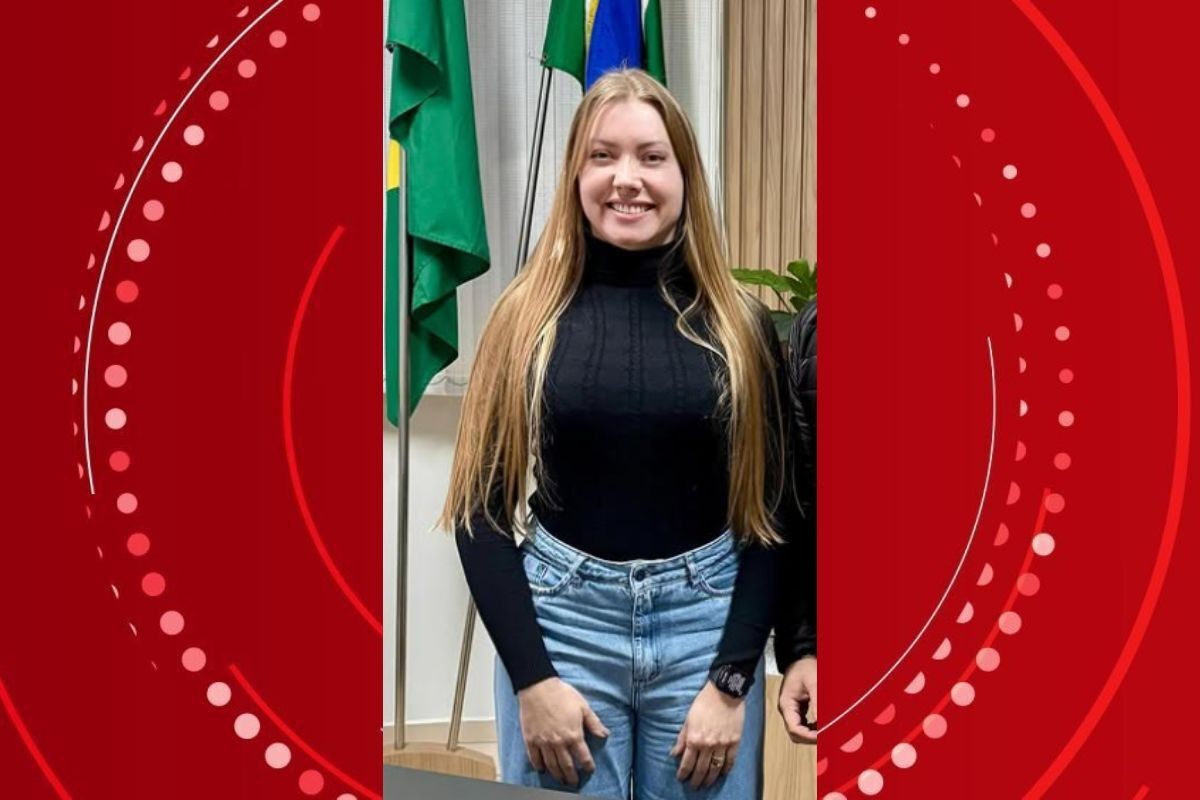
Dayana Zanuto, the Health Secretary of Rancho Alegre D'Oeste in Paraná, Brazil, has been formally charged by the Public Prosecutor's Office (MP-PR) with defrauding public tenders. The alleged scheme involved manipulating bids for veterinary services and cleaning supplies, with the intention of benefiting her sister's company. The MP-PR also implicated Dayana's veterinarian brother-in-law, Silvio, and another veterinarian, Carlos, in the alleged criminal association. The four individuals face charges including criminal conspiracy, ideological falsehood, frustrating the competitive nature of tenders, fraud in contract execution, and active and passive corruption. These charges stem from an investigation, codenamed "Operation Cruella," which saw searches and seizures of electronic devices and documents in April. During that operation, Dayana Zanuto was also temporarily removed from her position as Health Secretary, a suspension that remains in effect. The defense team, representing all accused, has denied the allegations, stating that the charges are unilateral and that the individuals are innocent until proven guilty. They have requested that the media refrain from premature judgments and respect the presumption of innocence. The specific tender under scrutiny involved veterinary services, including the supply of vaccines and animal feed, for the Municipal Health Department. Investigations revealed that a company associated with Silvio, Dayana's brother-in-law, won the bid, despite him having withdrawn from its ownership structure shortly before the tender was published, an action the MP-PR claims was intended to circumvent laws preventing family-linked entities from participating in public contracts. Furthermore, it is alleged that the sister's company, though not the official winner, was the actual provider of the services. A similar pattern of alleged bid manipulation and contract fraud was reportedly found in a separate tender for cleaning supplies, with indications of falsified invoices and financial transactions suggesting kickbacks to the Health Secretary.
This case highlights the critical need for robust oversight mechanisms in municipal procurement processes, particularly concerning potential conflicts of interest involving public officials and their relatives. The alleged manipulation of tender processes and contract execution, if proven, points to systemic vulnerabilities that can be exploited for illicit financial gain. Future-proofing against such occurrences requires not only stricter enforcement of existing regulations but also a proactive approach to transparency, potentially leveraging technology to monitor bid patterns and financial flows in real-time. Examining the incentive structures that may have encouraged such behavior, alongside the efficacy of current legal deterrents, will be crucial for preventing future instances of corruption and ensuring public funds are utilized appropriately in an era where digital infrastructure increasingly underpins administrative functions.
AI-generated to prompt reflection — not editorial opinion, not advice, not a statement of fact. How this works.