Paraná's Pinhão Risotto with Bacon: A Traditional Recipe
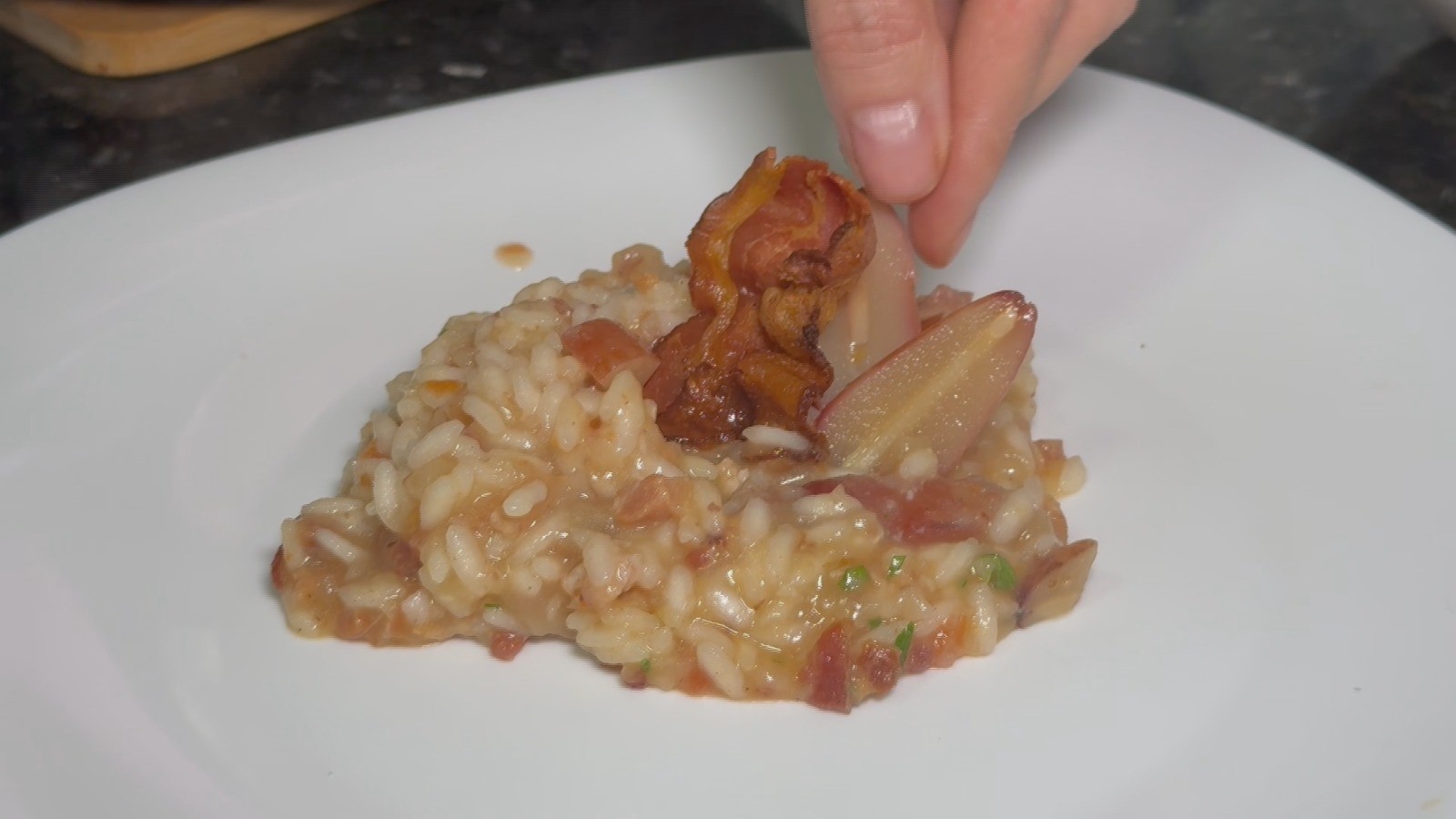
A traditional dish from Paraná, Brazil, this recipe for pinhão (pine nut) risotto with bacon is shared by chef Amélia Molinari. The dish serves 6 to 8 people and highlights the pinhão, a beloved ingredient in the region's cuisine. Key ingredients include 250g of Arborio rice, 40 cooked and peeled pinhões (prepared in various ways: chopped, halved, and crushed), 300g of bacon (divided for different stages of cooking), half a medium onion, one garlic clove, one tomato, one tablespoon of butter, and 100g of grated Parmesan cheese, with parsley and pepper to taste. A vegetable broth is also prepared using 2 liters of water, carrot, two types of potato (baroa and English), onion, garlic, and bay leaves. The cooking process begins with preparing the vegetable broth, which is then strained and kept hot. Next, 100g of bacon is rendered in a deep pan, followed by sautéed onion and garlic, and then crushed tomato. A ladle of broth is added to create an aromatic base before incorporating the pinhões and the remaining 200g of crushed bacon. Arborio rice is then added, and the risotto is cooked over medium heat for approximately 40 minutes, with hot broth added gradually as the rice absorbs it, ensuring an al dente texture. Salt is adjusted at the end due to the bacon's saltiness. The dish is finished by stirring in butter, Parmesan cheese, parsley, and optional pepper, then garnished with thinly sliced crispy bacon.
This recipe showcases a regional culinary tradition, emphasizing the use of pinhão, a staple ingredient in Paraná, Brazil. The detailed preparation highlights a common technique for risotto, involving gradual liquid addition and constant stirring to achieve the desired creamy texture. The inclusion of bacon adds a savory depth, a popular flavor combination in many cuisines. From a systems perspective, the recipe demonstrates how local ingredients can be integrated into established international dishes, fostering cultural exchange through food. The process also illustrates principles of flavor layering and texture development in cooking. Future iterations might explore variations with different types of rice or alternative proteins, further adapting the dish to evolving dietary preferences and ingredient availability, while maintaining its regional identity.
AI-generated to prompt reflection — not editorial opinion, not advice, not a statement of fact. How this works.