Paraná's Serra da Esperança Partially Closed for Landslide Prevention Work
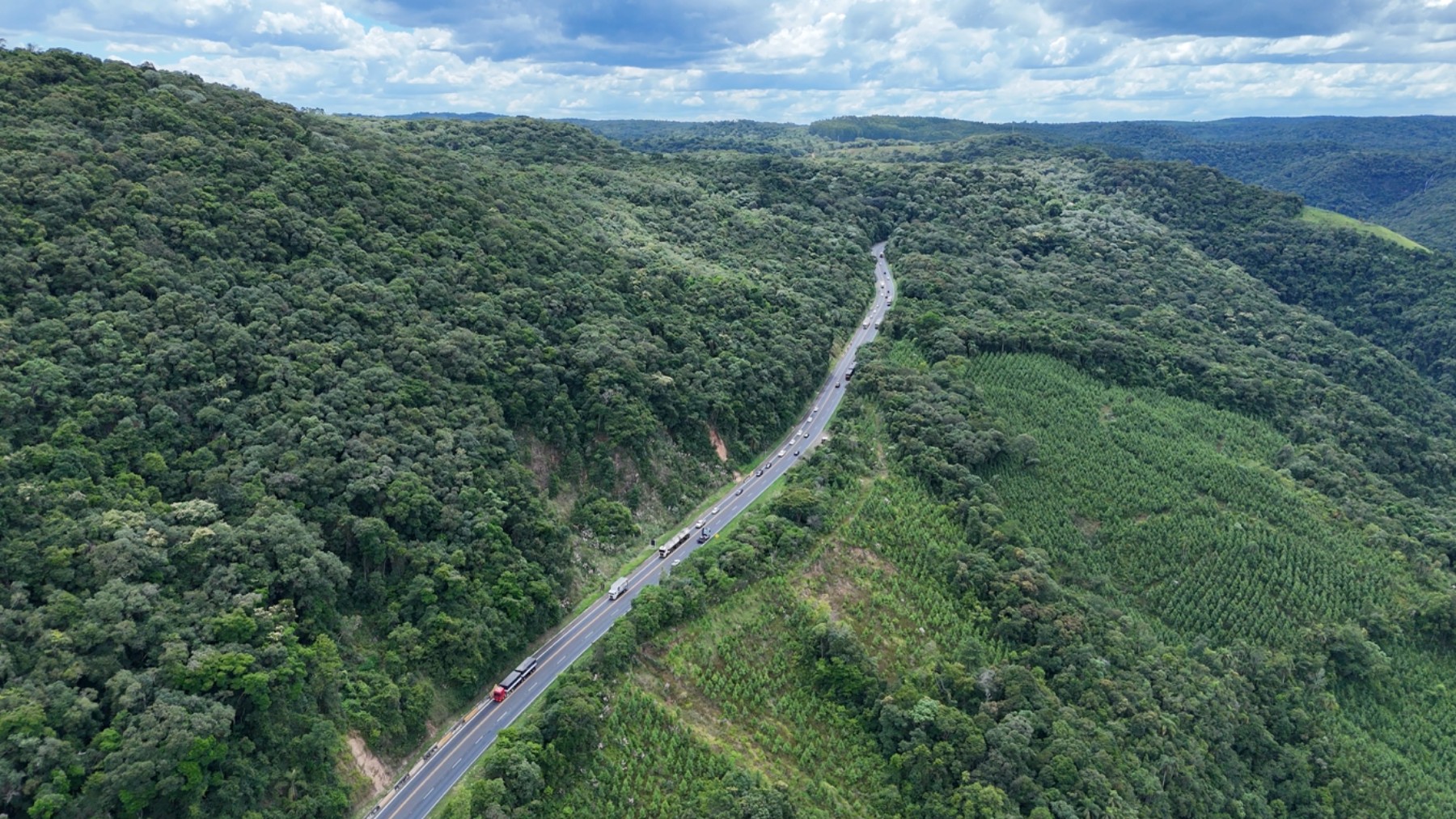
The Serra da Esperança, a critical stretch of the BR-277 highway in Paraná, Brazil, has undergone a partial closure starting Monday, May 27th, to facilitate landslide prevention construction. This closure, managed by concessionaire EPR Iguaçu, is expected to last until August 17th, impacting traffic between Guarapuava and Prudentópolis. During this 20-day period, vehicles will operate under a "stop-and-go" system, with temporary flow interruptions. The work is concentrated at kilometer 311 in the Cascavel direction and kilometer 316 in the Curitiba direction. These preventive measures are a direct response to a slope failure incident in January and are part of the concessionaire's ongoing geotechnical monitoring program. The interventions aim to remove unstable materials, enhance slope visibility, and improve safety. Services include vegetation removal, geological inspections, and controlled removal of small, potentially dislodging rocks. The goal is to expose rock formations for better technical monitoring and to inform future stabilization efforts. The Federal Highway Police (PRF) advises drivers to plan their trips, adhere to signage, and consider alternative routes, particularly for heavy vehicles and those with tight schedules, as significant delays are anticipated. The PRF suggests using the PR-364 between Guarapuava and Irati as a detour. EPR Iguaçu provides emergency support via 0800 277 0163, also available on WhatsApp. The Serra da Esperança has a history of landslides, including a five-day total closure in December 2024 that reportedly cost the state at least R$1 million and highlighted persistent logistical and structural issues in the region.
The partial closure of the Serra da Esperança on BR-277 addresses recurring landslide risks, a predictable outcome given the region's geological characteristics and historical events. This proactive maintenance, driven by the concessionaire's monitoring program, aims to mitigate future disruptions and ensure road safety. However, the repeated need for such interventions suggests a potential systemic challenge in long-term infrastructure resilience against natural forces, particularly in mountainous terrain. The economic impact of past closures, estimated at R$1 million per day, underscores the critical importance of reliable transport corridors and the significant costs associated with their failure. Future planning should consider advanced stabilization techniques and potentially explore alternative routes to enhance regional connectivity and reduce vulnerability to environmental hazards, especially as climate patterns may intensify such events.
AI-generated to prompt reflection — not editorial opinion, not advice, not a statement of fact. How this works.