Paraná's 'Welcoming Industry' Program Boosts Migrant Integration and Business Growth
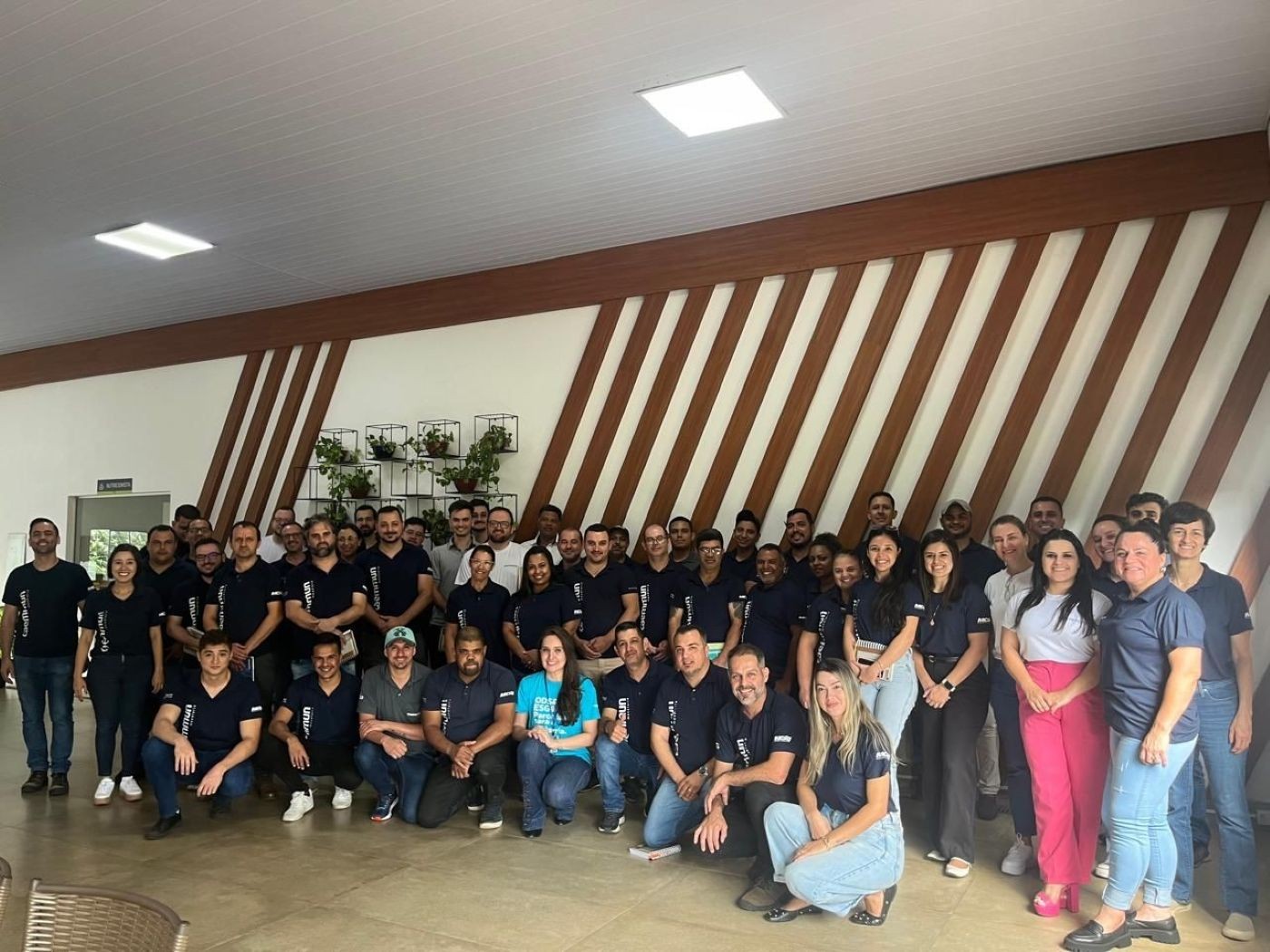
The 'Indústria Acolhedora' (Welcoming Industry) program in Paraná, Brazil, is facilitating the productive inclusion of migrants by connecting them with formal employment opportunities within the state's robust industrial sector. This initiative, executed by Sesi Paraná under the Sistema Fiep, addresses the dual challenge of industries seeking qualified labor and individuals seeking to rebuild their lives through work. Paraná, a leading industrial state in Brazil, faces a constant demand for workers, exacerbated by an aging population and hiring difficulties across various sectors. The program aims to bridge this gap by integrating new populations into the workforce.
Beyond simply filling vacancies, the 'Indústria Acolhedora' program offers a comprehensive integration journey. Migrants receive technical training, Portuguese language improvement, and socio-behavioral skills development. Simultaneously, participating industries undergo sensitization, intercultural literacy, and diversity management training. This approach fosters stronger labor relations, reduces cultural barriers, and enhances a sense of belonging within companies. Companies like Caemmun Movelaria have reported that hiring migrants has not only sustained production but also transformed their organizational culture, leading to increased employee engagement and referrals.
The program aligns with the UN's Sustainable Development Goals, particularly those concerning decent work, economic growth, and reduced inequalities. It also supports companies in building more diverse and competitive teams, enhancing innovation and problem-solving capabilities. The initiative is recognized by the Sesi Industry Partner of the Migrant Seal, with support from international organizations like CIFAL Curitiba-UNITAR, IOM, and the Forum of Companies with Refugees, positioning migrant integration as a strategic decision for future industrial resilience and innovation.
The 'Indústria Acolhedora' program strategically addresses labor shortages and demographic shifts by leveraging migrant talent, framing integration as a driver of economic competitiveness rather than solely a social responsibility. By providing comprehensive support for both migrants and host companies, it aims to create sustainable employment ecosystems. This approach recognizes that in an increasingly globalized and AI-driven economy, diverse workforces with varied perspectives are crucial for innovation and adaptability. The program's success hinges on its ability to foster genuine intercultural understanding and create inclusive work environments, moving beyond transactional employment to build long-term value and social cohesion. Future industrial strategies will likely need to adopt similar proactive models to navigate evolving labor markets and harness global talent pools effectively.
AI-generated to prompt reflection — not editorial opinion, not advice, not a statement of fact. How this works.