Paraná School Reopens After Tornado Devastation, Students Return to Rebuilt Campus
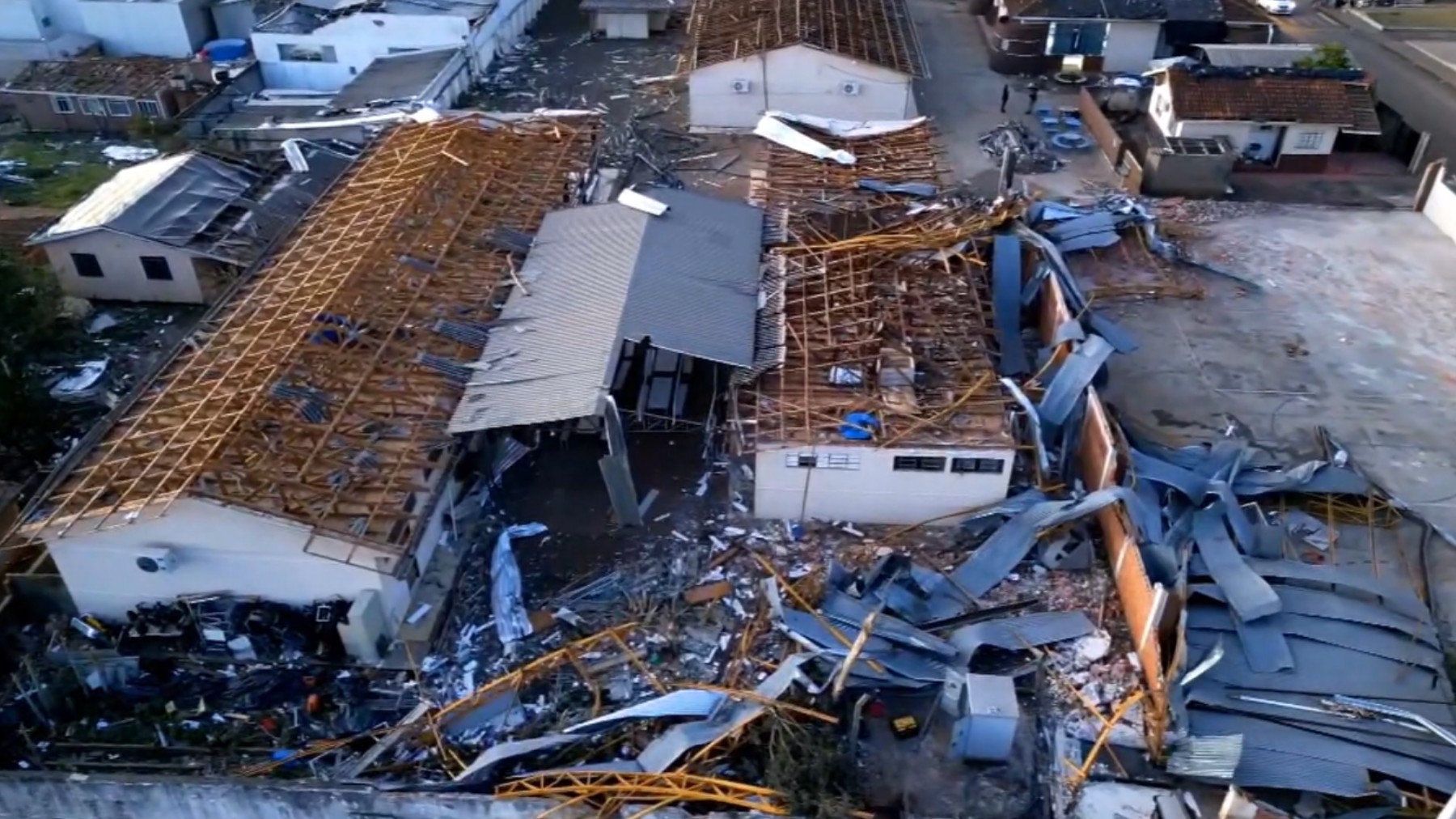
Students at Colégio Estadual Ludovica Safraider in Rio Bonito do Iguaçu, Paraná, are returning to classes on Monday, August 27, 2026, marking the start of the second academic semester. The school had been closed for eight months following a devastating tornado in November 2025 that destroyed 90% of the city. During the closure, 379 students were temporarily relocated, completing the 2025 academic year at the Federal University of the Fronteira Sul (UFFS) in Laranjeiras do Sul and attending classes at Escola Municipal Irmã Dulce in the first semester of 2026. Although construction is not fully complete, the first block of the school has been prepared to accommodate all students, featuring six classrooms. Three additional temporary classrooms have been set up in the library and computer lab. The administrative office has been reorganized to house the teachers' lounge, and classes are resuming their regular morning, afternoon, and evening schedules, including for adult education. The State Secretariat of Education (Seed-PR) confirmed that the kitchen and bathrooms are operational with necessary adaptations, ensuring safe and adequate conditions for all students without disrupting the academic calendar. School transportation routes have also been adjusted to drop students directly at the rebuilt school. Reconstruction efforts are ongoing, with contracts totaling over R$3.7 million for the recovery of Blocks 1 and 2, which will add new classrooms, a science lab, and more bathrooms. Another contract is in place for the design and reconstruction of the covered sports court, along with classroom expansions and administrative block upgrades. The State Secretary of Education, Roni Miranda, emphasized the commitment to uninterrupted learning and the community's swift return to their school.
The reopening of Colégio Estadual Ludovica Safraider signifies a community's resilience and the state's commitment to educational continuity following a natural disaster. This event highlights the vulnerability of regions like Paraná, which experts identify as a global hotspot for tornado formation due to specific atmospheric conditions. The incident underscores the critical need for robust infrastructure planning and disaster preparedness in tornado-prone areas, considering the increasing frequency and intensity of severe weather events. Future investments should focus on building resilient educational facilities and developing advanced early warning systems to mitigate the impact of such phenomena, ensuring that educational access is not compromised by environmental challenges. The ongoing reconstruction efforts, while substantial, also point to the long-term economic and social recovery required after widespread devastation.
AI-generated to prompt reflection — not editorial opinion, not advice, not a statement of fact. How this works.