Paraná Senate Frontrunner Álvaro Dias Withdraws Candidacy Amidst Political Realignment
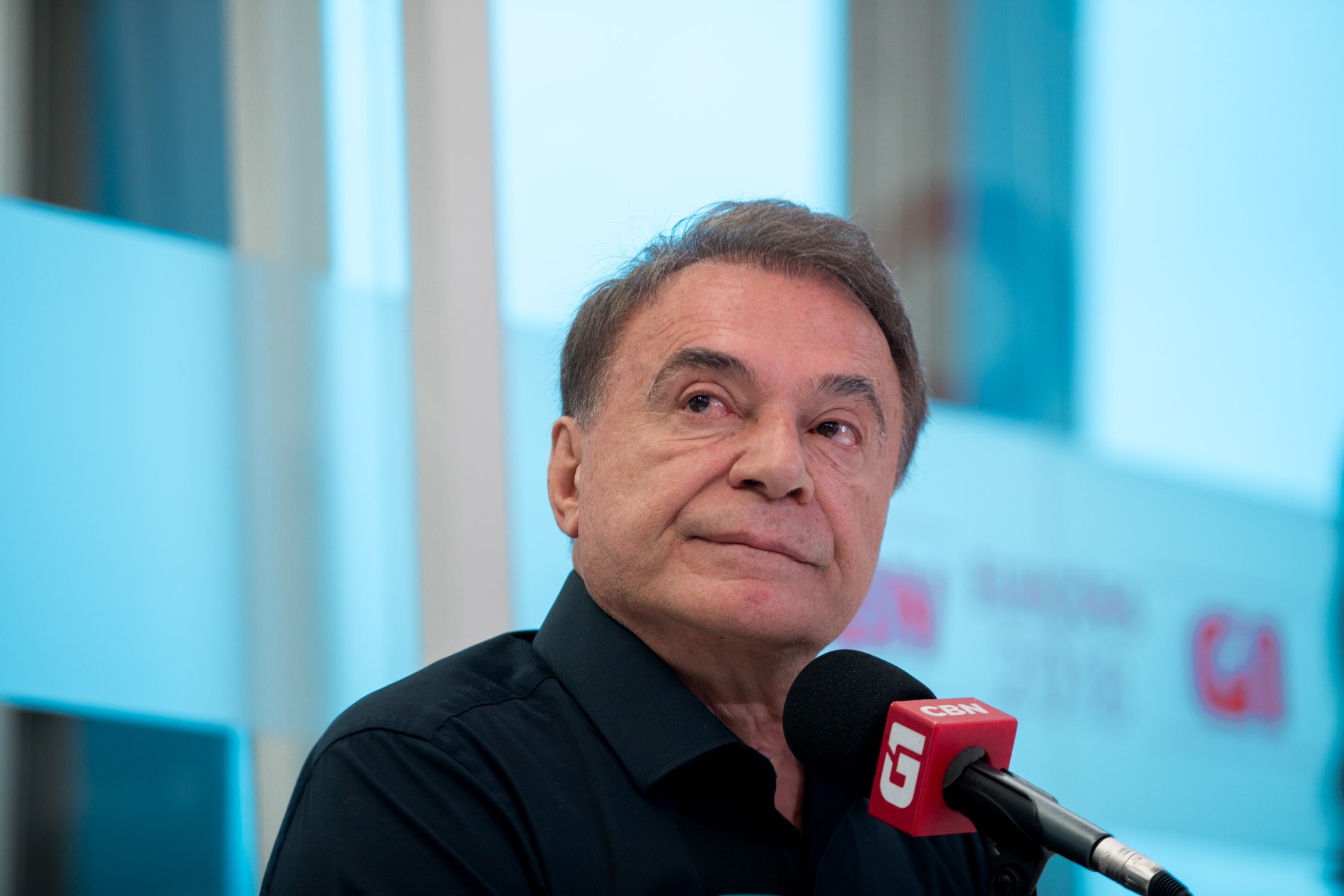
Álvaro Dias, a former governor and senator who was leading in polls for a Senate seat in Paraná, announced on Monday, August 3rd, that he will not run in the upcoming elections. Dias, affiliated with the MDB party, cited the current political landscape, characterized by "arrangements, compositions, and the will of politicians," as the reason for his withdrawal. He stated that the necessary conditions for unity around his candidacy were not present within the governor's political group. At 81 years old, Dias has had a long political career, including four terms in the Senate and a governorship of Paraná from 1987 to 1991. He emphasized that he would not let a personal project divide the collective, a principle he has upheld throughout his career. His decision does not indicate a candidacy for any other office. This withdrawal appears to be part of a broader negotiation between the MDB and PSD parties concerning the state government. Previously, the MDB had its own gubernatorial candidate, but following negotiations involving Governor Ratinho Júnior and the PSD, the MDB joined the governor's coalition. This realignment, coupled with the allocation of Senate seats in 2026, left no room for Dias's candidacy. An existing alliance already supported Alexandre Curi (Republicanos) for the Senate, with the PSD expected to nominate the second candidate for the coalition.
This withdrawal highlights the complex interplay of coalition politics and candidate viability in Brazilian elections. While Senator Dias led in polling, his decision underscores how electoral strategies can be dictated by party alliances and the distribution of power, even at the expense of popular support. The situation suggests a system where established political structures and negotiation leverage can supersede individual electoral strength. Looking ahead, such dynamics may intensify as parties consolidate to navigate future electoral cycles, potentially leading to a more centralized decision-making process that could sideline independent or popular candidacies in favor of pre-arranged pacts. This raises questions about democratic representation and the extent to which voter preference can influence outcomes when faced with entrenched political maneuvering.
AI-generated to prompt reflection — not editorial opinion, not advice, not a statement of fact. How this works.
