Paraná State Begins Second Polio Booster Shot for Children
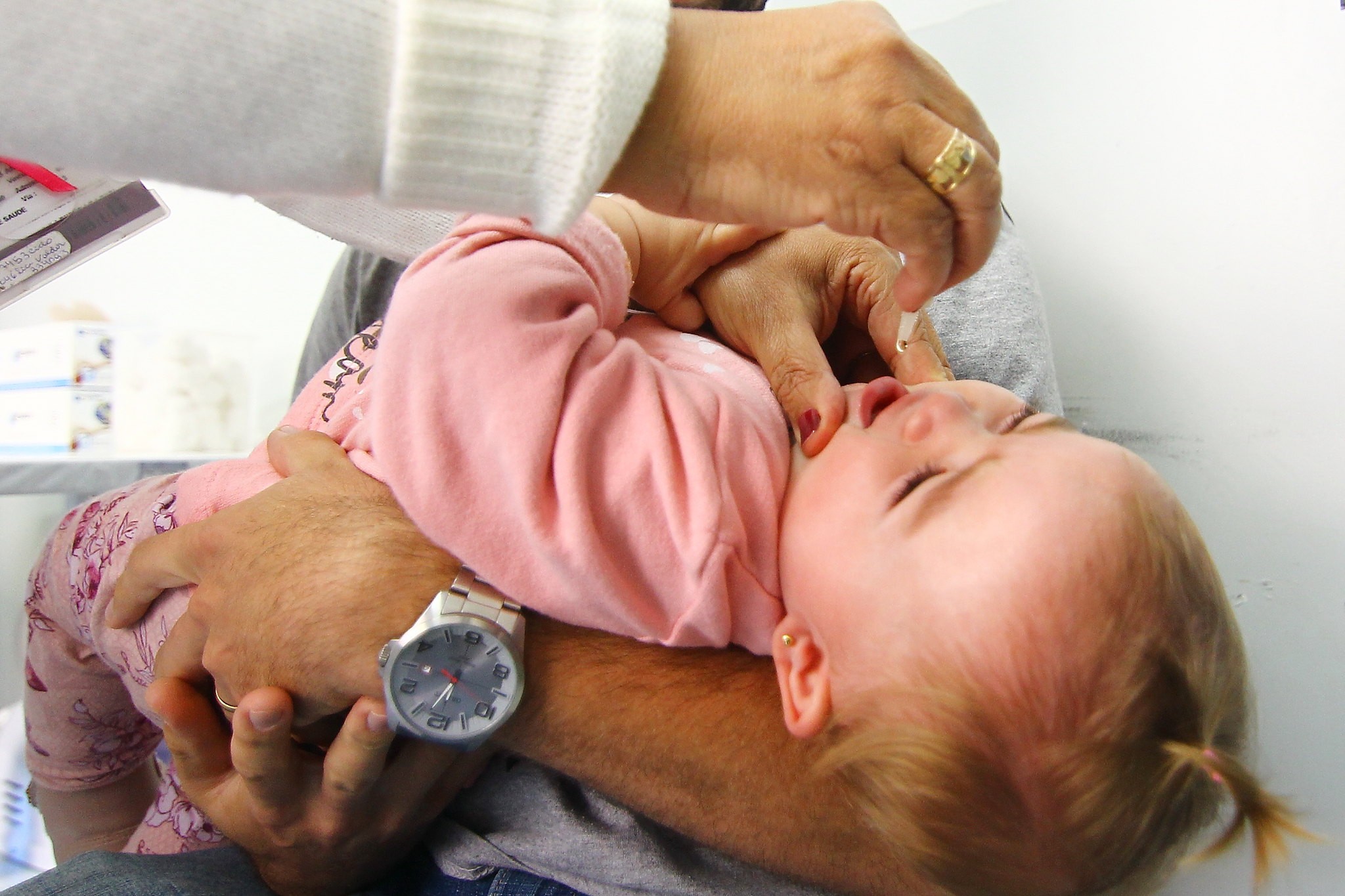
Paraná, Brazil, has commenced administering a second injectable booster dose of the polio vaccine to children aged four. This initiative marks a significant shift in the vaccination schedule, which will now permanently feature five injectable doses, replacing the traditional oral polio vaccine (OPV). The State Secretariat of Health (Sesa) confirmed that the primary immunization for infants will continue with three doses given at two, four, and six months of age. The first booster remains at 15 months, with this new dose recommended for children up to four years, eleven months, and twenty-nine days old. Poliomyelitis, or polio, is a viral disease that can cause permanent motor disabilities. The inactivated polio vaccine (VIP) used for protection carries no risk of developing the disease. The aim is to elevate antibody levels and bolster children's immune memory before they enter school routines. The state's target is to achieve at least 95% vaccination coverage, with current reach at 92.15%. Sesa's priority is identifying children with incomplete or delayed vaccination schedules. For children in this age group who have completed the primary vaccination series, the booster dose will be administered six months after their last application. In Curitiba, this second booster is available at 106 municipal health units. Other vaccines are also offered, including those for measles, mumps, rubella, diphtheria, tetanus, whooping cough, Hepatitis A and B, rotavirus, meningitis, yellow fever, HPV, dengue, influenza, and COVID-19.
The implementation of a second injectable polio booster dose in Paraná reflects a global trend towards strengthening vaccine efficacy and adapting to evolving public health strategies. This shift from the oral polio vaccine to the inactivated polio vaccine for booster doses aims to enhance immune response and address potential gaps in population immunity, particularly as children transition into communal settings like schools. The state's proactive approach, targeting a high vaccination coverage rate of 95%, underscores the ongoing commitment to eradicating polio and preventing its resurgence. By focusing on children with incomplete or delayed schedules, Paraná is employing a targeted strategy to maximize public health impact. This policy adjustment, while enhancing protection, also highlights the continuous need for robust public health infrastructure and clear communication to ensure high uptake and maintain herd immunity against preventable diseases in the coming decade.
AI-generated to prompt reflection — not editorial opinion, not advice, not a statement of fact. How this works.
