Paraná State Braces for Frost and Sub-Zero Temperatures This Week
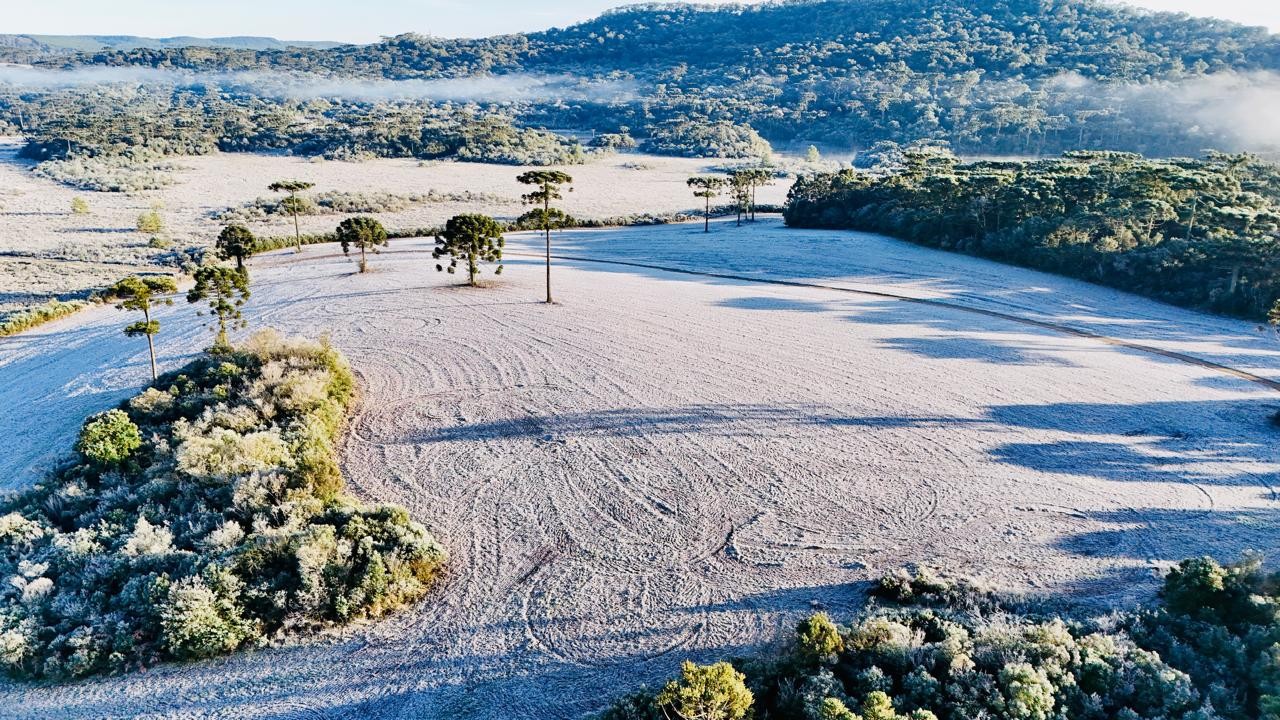
Paraná, Brazil, is set to experience a significant drop in temperatures, with frost and sub-zero conditions expected to return during the second week of July. Meteorologist Bianca de Angelo from Simepar, the state's environmental monitoring system, forecasts that a cold front arriving on Tuesday, July 7th, will lower temperatures, with intense cold anticipated by Wednesday, July 8th, particularly in the southern regions. Initially, Monday, July 6th, saw a low-pressure system near Argentina causing persistent rain in the southern half of Paraná, while isolated showers and warmer temperatures, reaching up to 26°C in the north, were observed. By Tuesday, the cold air mass will advance, causing a sharp temperature decline, with only the western and southwestern areas experiencing temperatures below 10°C in the early morning. The early hours of Wednesday are predicted to bring negative temperatures near Palmas in the south, with moderate frost possible between Palmas and União da Vitória, and weaker frost in central and western areas. Despite the cold, daytime sun on Wednesday is expected to raise afternoon temperatures above 16°C statewide. Thursday, July 9th, will see a slight temperature recovery, with no negative readings forecast, though the northwest will experience warmer afternoons exceeding 27°C. By Friday, July 10th, a new instability system may bring localized rain to western Paraná, with typical cool mornings and warmer afternoons, and highs potentially surpassing 30°C in the northwest.
The forecast indicates a typical seasonal weather pattern shift in Paraná, driven by atmospheric dynamics involving cold air mass advection. While the immediate concern is the potential for frost and sub-zero temperatures, impacting agriculture and daily life, the analysis of these events should focus on preparedness and infrastructure resilience. The cyclical nature of these cold spells highlights the importance of long-term climate adaptation strategies for the region. Understanding the interplay between global weather patterns and localized phenomena like cold fronts is crucial for improving forecasting accuracy and mitigating potential economic and social disruptions. Future planning should consider how such events might be exacerbated or altered by broader climate change trends, prompting a review of current agricultural practices and urban planning to ensure sustained resilience.
AI-generated to prompt reflection — not editorial opinion, not advice, not a statement of fact. How this works.