Paraná State Hit by Strong Winds Exceeding 70 km/h, Alert Remains for Gusts Up to 100 km/h
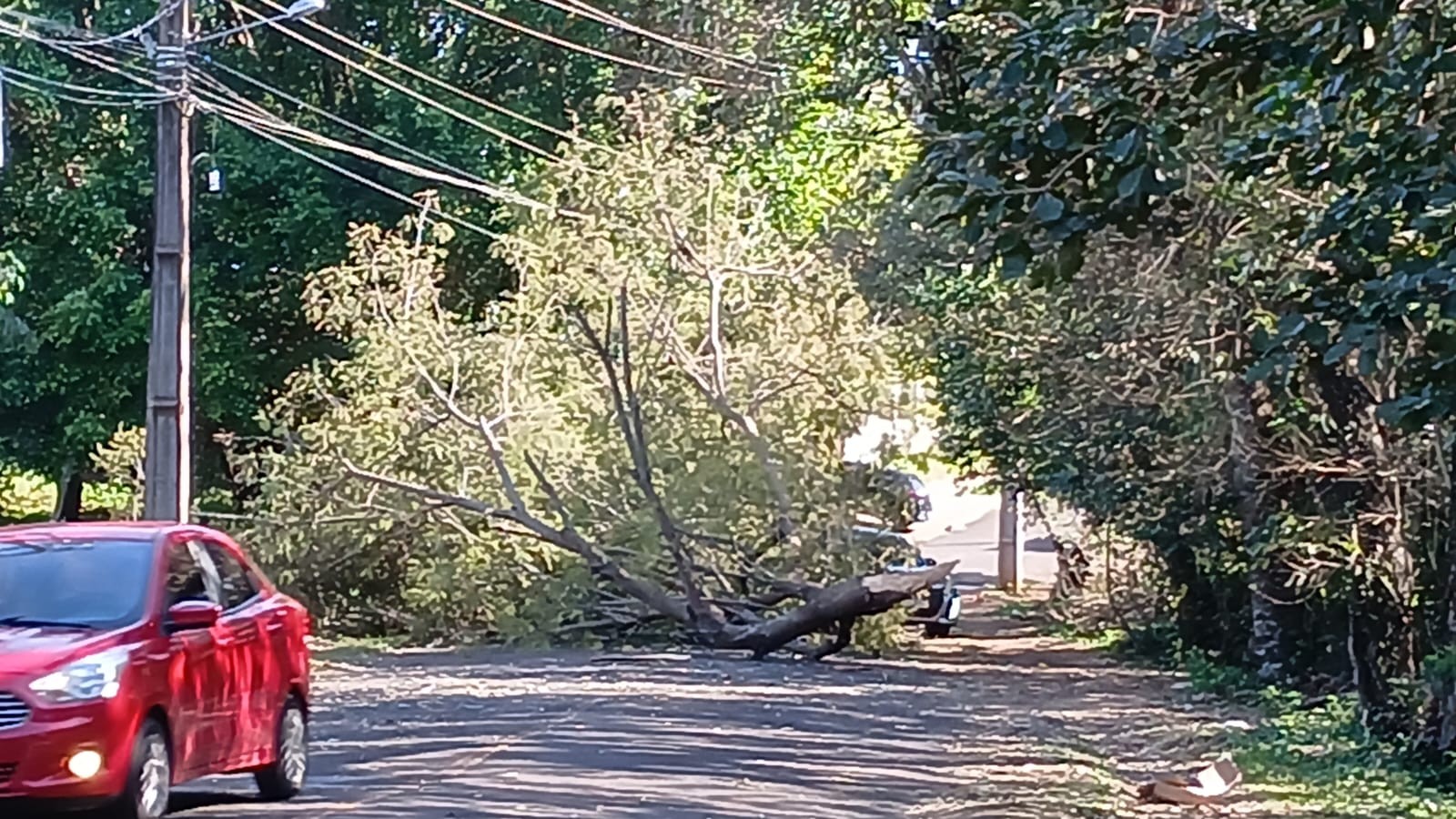
Paraná, Brazil, experienced winds surpassing 70 km/h on Saturday, according to the Environmental Monitoring and Technology System (Simepar). The most intense gust recorded was 70.2 km/h in Laranjeiras do Sul. Several other cities in the western part of the state also registered winds over 60 km/h, including Altônia, Cascavel, Francisco Beltrão, Ubiratã, and Toledo. In Foz do Iguaçu, where gusts neared 55 km/h, damage occurred, with fallen tree branches and entire trees blocking streets, causing power outages, and leading to flight cancellations at the local airport. The Paraná State Energy Company (Copel) explained that wind damage to power lines can cause both momentary and prolonged electricity interruptions. The state has been under a strong wind advisory since Friday, with the National Institute of Meteorology (Inmet) issuing alerts for potential gusts between 60 km/h and 100 km/h in central and western Paraná until at least Monday, February 20th. These alerts warn of risks including falling trees, damaged roofs, and general destruction to buildings and crops. The forecast for Sunday, February 19th, indicates clear skies and high temperatures, potentially exceeding 30°C in some regions, while Monday, February 20th, may see cloudier conditions with isolated rain showers possible in the evening in southern and western areas. The Civil Defense has provided safety guidelines, advising people to seek shelter, avoid areas with potential structural collapse, and secure their homes, as well as offering advice for travel during high winds.
The severe weather event in Paraná highlights the ongoing challenges of climate resilience in regions susceptible to extreme meteorological phenomena. While meteorological agencies provide timely warnings, the recurring nature of such events suggests a need for continuous evaluation of infrastructure hardening and urban planning strategies to mitigate damage from high winds. The economic impact, including power outages and property damage, underscores the importance of proactive investment in grid modernization and robust building codes. Furthermore, public awareness campaigns and accessible emergency alert systems, like the SMS service offered by Civil Defense, are crucial for community preparedness, though their effectiveness relies on consistent public engagement and reliable communication channels. Future preparedness will likely involve integrating advanced weather modeling with real-time infrastructure monitoring to optimize response and minimize disruption.
AI-generated to prompt reflection — not editorial opinion, not advice, not a statement of fact. How this works.