Paraná State Pilots AI Tool for Cancer Diagnosis and Treatment
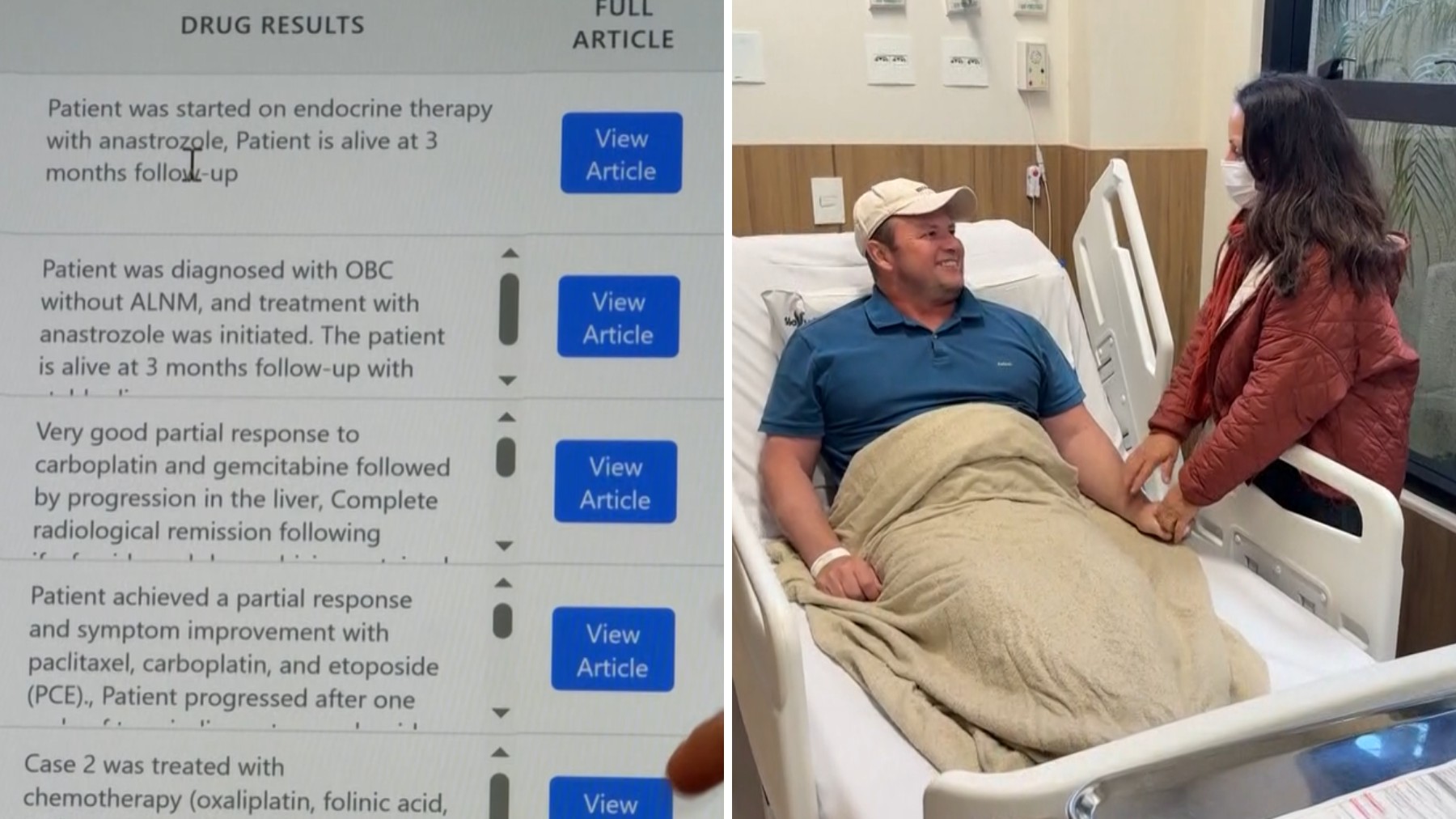
The state of Paraná, Brazil, is pioneering the use of an artificial intelligence (AI) tool to aid in the diagnosis and treatment of cancer, becoming the first in the country to do so. Currently being tested in hospitals in Guarapuava and Londrina, the technology aims to expedite and enhance patient care within the public health system (SUS). The AI platform functions by processing a patient's medical history and cross-referencing it with global case data. This process helps organize information and suggests potential treatment pathways, assisting physicians in identifying optimal strategies. Dr. Nelson Morozini, an oncologist in Guarapuava, highlighted the AI's efficiency, noting that it can retrieve crucial information in minutes that might take days or weeks through traditional research methods, especially when different terminology is used for the same condition. This partnership between the Government of Paraná and Google, known as "Projeto Capricórnio," will see its expansion contingent on the results from the initial trials. Since April, the tool has been utilized for over 40 patients in Guarapuava and Londrina. One notable case involves Cleverson Ramos de Col, a truck driver undergoing treatment for a rare cancer discovered in November 2025. The AI's analysis of global literature identified similar cases, guiding the medical team toward genetic testing and genomic research for his specific condition, thereby increasing treatment accuracy. De Col expressed relief and optimism, stating that confirming his medication was aligned with the AI's recommendations provided significant reassurance.
The implementation of AI in cancer treatment within Brazil's public healthcare system represents a significant step towards leveraging advanced technology to address complex medical challenges. By augmenting physician capabilities with rapid data analysis and global case comparisons, this initiative has the potential to democratize access to cutting-edge treatment insights, particularly for rare or complex conditions. The success of this pilot program could serve as a model for other regions, demonstrating how AI can optimize resource allocation and improve patient outcomes in under-resourced healthcare environments. Future considerations will likely involve scalability, data privacy, continuous model refinement, and ensuring equitable access to AI-driven diagnostics and treatments across diverse patient populations.
AI-generated to prompt reflection — not editorial opinion, not advice, not a statement of fact. How this works.