Paraná Tornado Described as 'Terror Film' After Destroying Homes
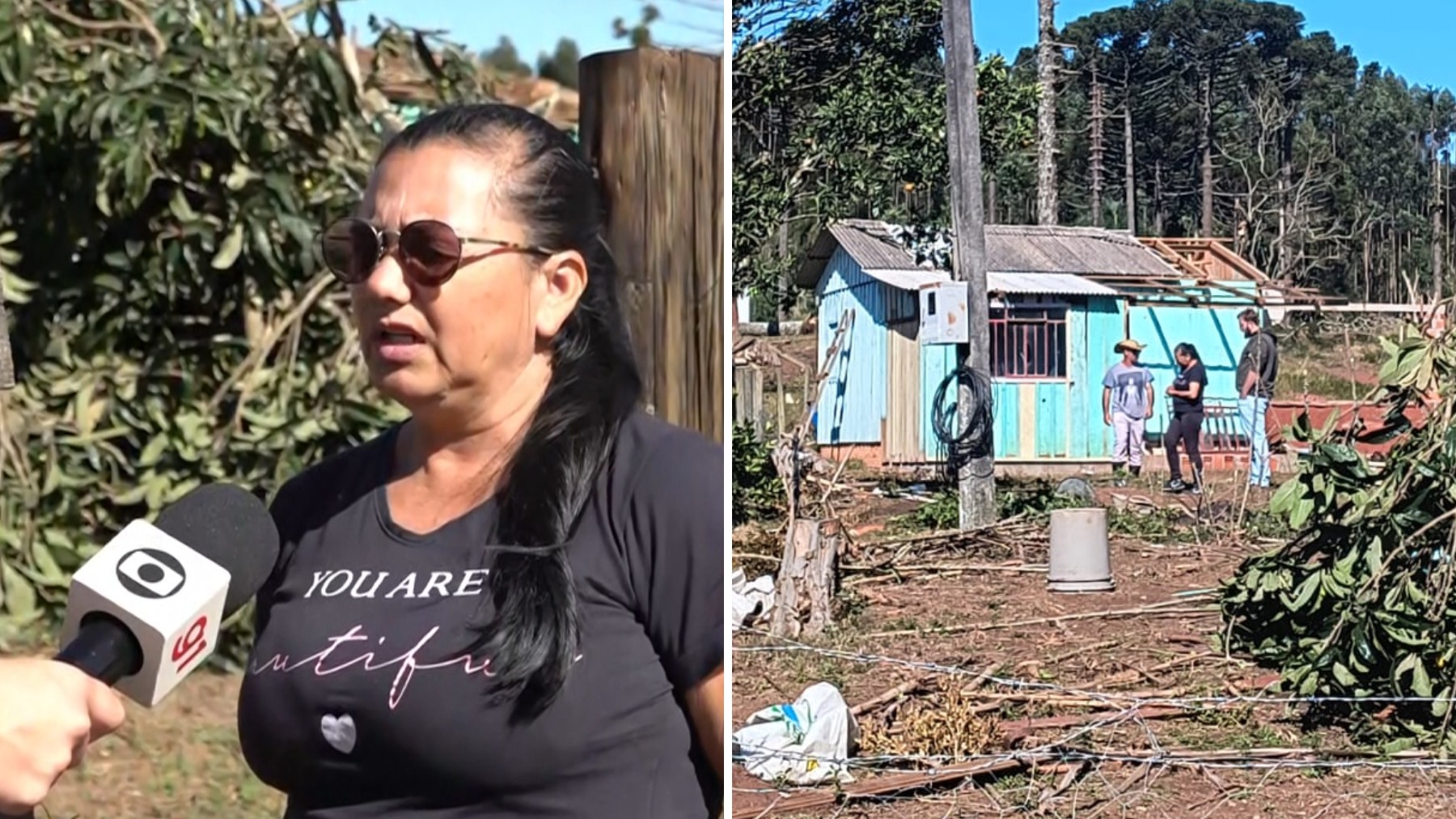
A powerful tornado, classified as an F2 on the Fujita scale with winds reaching up to 200 km/h, struck the Imbú community in the rural area of Reserva, Paraná, on Sunday, November 28th. The storm caused significant destruction, with one resident, Edver de Fátima Antunes, describing the experience as akin to a 'terror film' due to the roaring winds, flying debris, and sounds of crying and calls for help. Antunes and her family sheltered under a wardrobe, escaping injury, but witnessed much of their home and surrounding properties being demolished. The tornado left a trail of destruction, with trees uprooted, buildings severely damaged, and vehicles affected by the high winds and hail. The local prefecture reported 11 houses with significant damage and approximately 50 people impacted, including 10 who were displaced and sought refuge with relatives or friends. One resident sustained minor injuries. Meteorologists from Simepar confirmed the tornado's presence, citing evidence such as uprooted trees, destroyed tree canopies, and debris scattered in multiple directions, indicating rotational wind patterns. A signpost was found over 150 meters away, further supporting the F2 classification. Paraná is situated in one of the world's most tornado-prone regions, ranking second globally behind the central plains of the United States, due to a combination of atmospheric conditions that create instability and fuel severe weather events.
The event highlights the vulnerability of communities in Paraná, Brazil, to severe weather phenomena like F2 tornadoes. The classification system, while informative, underscores the significant destructive potential of these events. The description of the tornado as a 'terror film' by a resident emphasizes the psychological impact of such natural disasters, beyond the immediate physical damage. This incident serves as a case study for disaster preparedness and infrastructure resilience in regions identified as tornado corridors. Future planning should consider the increasing frequency and intensity of extreme weather events, potentially exacerbated by climate shifts, and focus on mitigation strategies and community support systems to reduce both physical and psychological tolls on affected populations.
AI-generated to prompt reflection — not editorial opinion, not advice, not a statement of fact. How this works.