Paraná University Clinic Exceeds 50,000 Free Medical Consultations
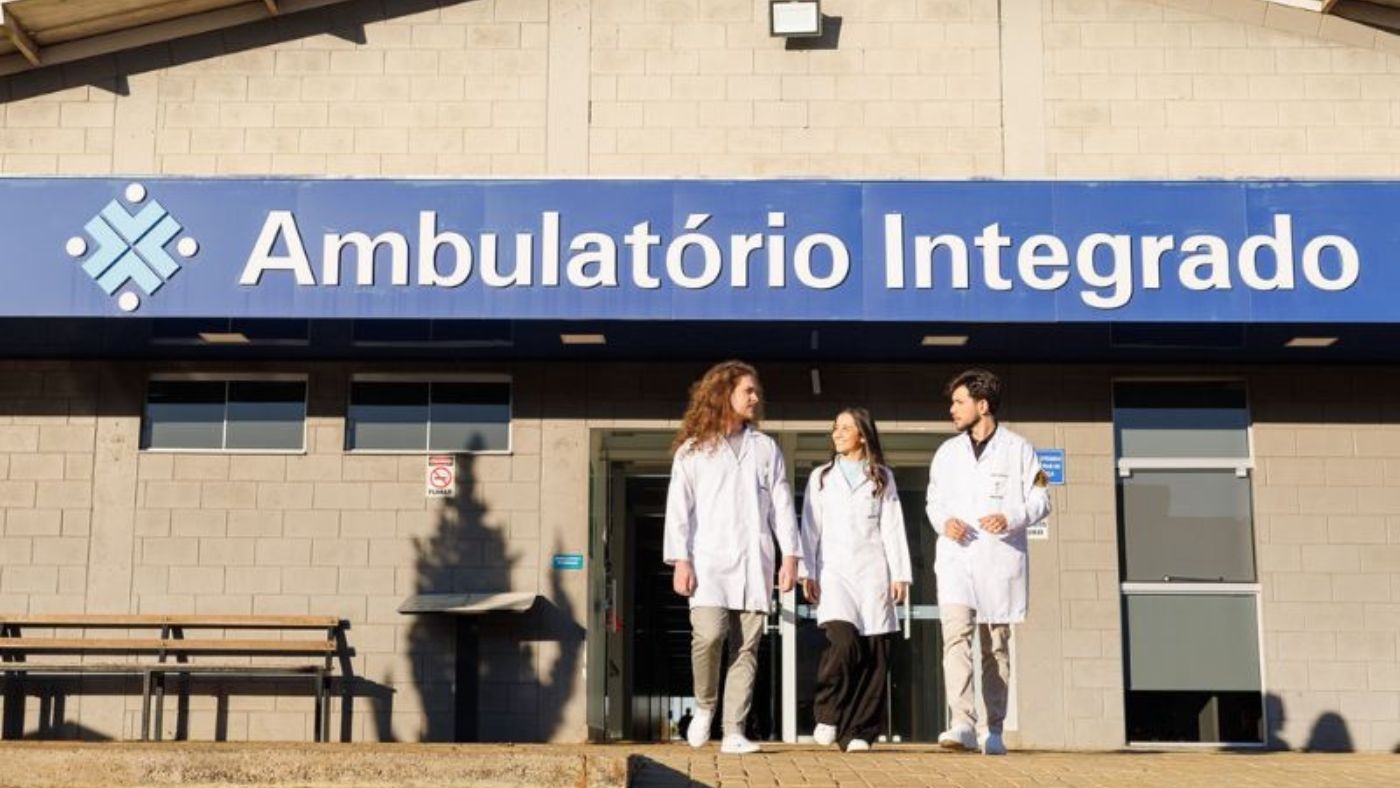
The Academic Clinic of Medical Specialties at Centro Universitário Integrado in Campo Mourão, Paraná, has provided over 50,000 free medical consultations since its inauguration in March 2020. This initiative, integrated with the Unified Health System (SUS) and the State Department of Health, serves as a crucial training ground for medical students from their 5th to 8th semesters, allowing them to apply theoretical knowledge under expert supervision. The clinic, equipped with 30 consultation rooms, simulates a real medical practice environment, enhancing students' clinical skills and patient interaction. It receives patients from more than 40 municipalities in the Northwest Paraná region through agreements with health consortia and the Campo Mourão City Hall. Scheduling is managed by municipal health secretariats, ensuring efficient access to specialists and reducing public health waiting lists. When public slots are available, remaining appointments are offered to the community at a social rate. The most frequent demands are Dermatology, driven by agricultural region-related skin issues, followed by Psychiatry, Rheumatology, Gynecology, Neurology, Hematology, and Orthopedics. The clinic's structure and operation are designed to bolster regional healthcare, offering accessible specialist care and improving the quality of life for residents while providing invaluable practical experience for future physicians.
This academic clinic exemplifies a symbiotic relationship between higher education and public health infrastructure. By integrating practical medical training with essential community healthcare services, the institution addresses a dual mandate: fostering competent medical professionals and alleviating public health burdens. The model's success hinges on its strategic alignment with regional health needs and its capacity to manage patient flow efficiently through municipal partnerships. Future scalability could explore leveraging AI for preliminary diagnostics or administrative optimization to further enhance service delivery and educational outcomes, while ensuring equitable access and maintaining the humanistic core of medical practice.
AI-generated to prompt reflection — not editorial opinion, not advice, not a statement of fact. How this works.