Paraplegic patient receives experimental nerve regeneration drug in Brazil
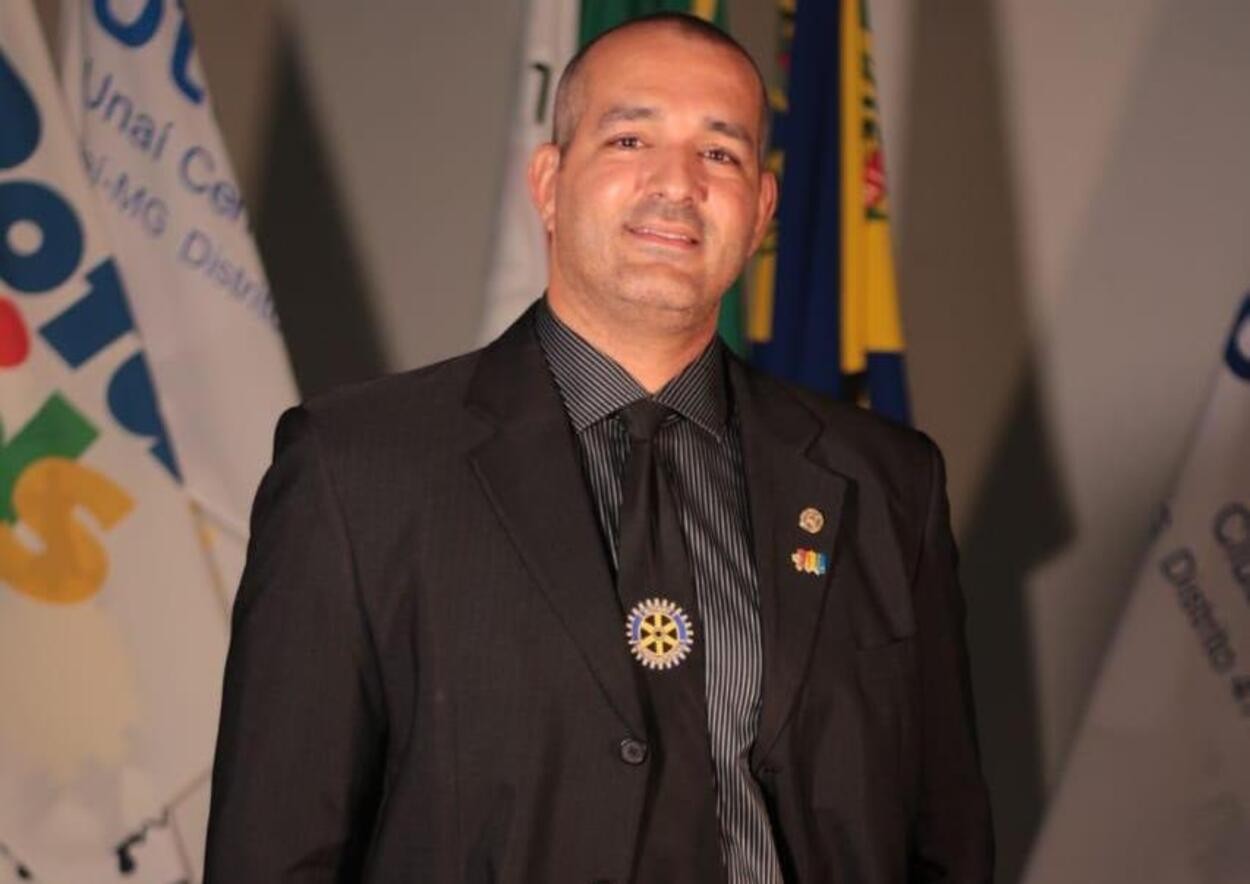
Edson Júnior, a 43-year-old resident of Unaí in Minas Gerais, Brazil, became the 102nd patient to receive polilaminina, an experimental protein treatment for nerve regeneration. The application took place at Hospital Santa Mônica on Wednesday, November 8th. Júnior had become paraplegic after a severe accident on June 4th of this year on the BR-251 highway, which resulted in a fracture of his eighth thoracic vertebra. Polilaminina, derived from the placenta, aims to stimulate the repair of injured nerves. The treatment has gained attention in Brazil following promising animal studies and a preliminary 2024 study by pharmaceutical company Cristália, which has invested over R$110 million in its development and holds the patent. The researcher Arthur Luiz Freitas Forte, part of the team led by UFRJ's Tatiana Sampaio (the substance's creator), stated that the application proceeded without complications and that the patient will be monitored for expected motor recovery. Júnior's wife, Michele Gross, explained that while the ideal application window was within 72 hours of the accident, her husband's prior surgery necessitated a delay. The family pursued compassionate use of the medication, submitting medical reports to Anvisa, UFRJ, and Cristália, and ultimately accessed the substance through legal channels. Researchers anticipate progressive improvements in sensitivity and motor function, though they emphasize that outcomes vary among patients. Preliminary results suggest that 75% of patients treated have experienced partial recovery from paralysis, with the team hoping for significant functional gains for Edson Júnior.
The application of polilaminina represents a significant advancement in experimental regenerative medicine, offering a potential new therapeutic avenue for individuals with severe spinal cord injuries. The case highlights the complex interplay between scientific innovation, pharmaceutical investment, regulatory pathways like compassionate use, and legal recourse in bringing novel treatments to patients. As Cristália invests heavily in this technology, the focus will shift to robust clinical trials to validate efficacy and safety across diverse patient populations. The reported 75% partial recovery rate in treated patients warrants rigorous scientific scrutiny to understand the underlying mechanisms and identify predictive factors for successful outcomes. Future developments will likely involve refining delivery methods, optimizing treatment protocols, and navigating the ethical and economic considerations of widespread access to such potentially life-changing therapies.
AI-generated to prompt reflection — not editorial opinion, not advice, not a statement of fact. How this works.