Parasitic Fungus Extends Ant Lifespans and Induces 'Worship' Behavior, Scientists Discover
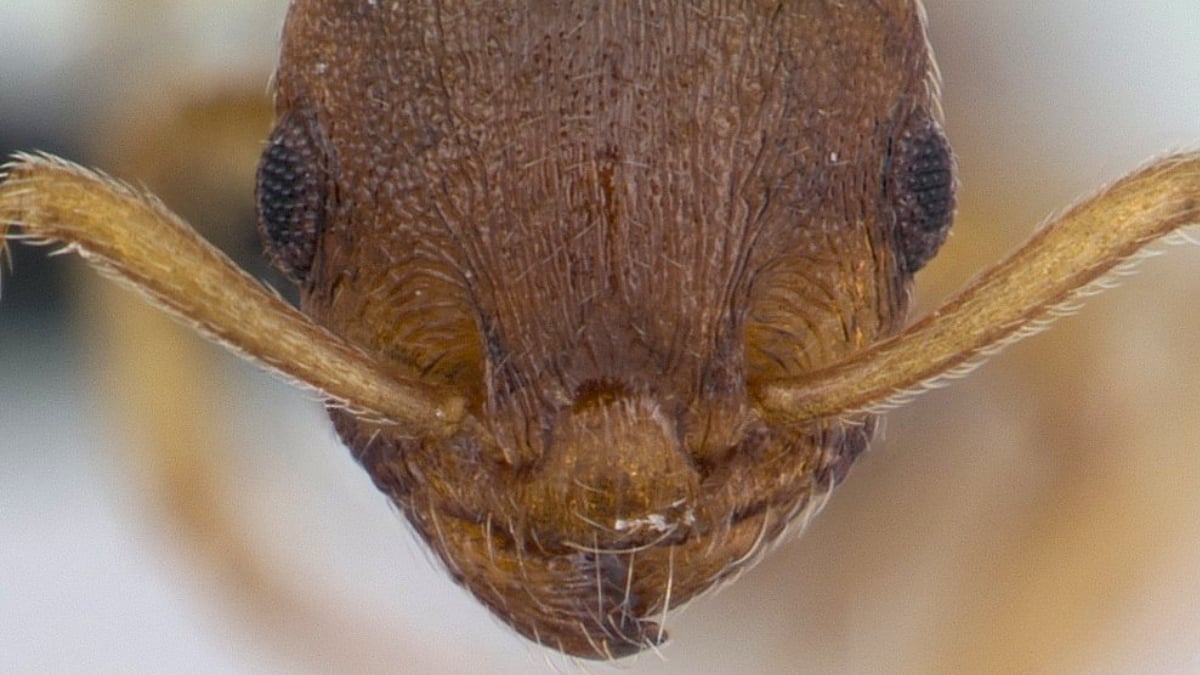
Scientists have finally unraveled the intricate mechanisms behind a remarkable parasite that manipulates ant behavior. This specific fungus, Ophiocordyceps unilateralis, is known for its ability to control its insect hosts. The research reveals that the fungus not only extends the lifespan of infected ants but also induces them to engage in behaviors that benefit the parasite's propagation. Infected ants are compelled to leave their usual foraging grounds and ascend to specific elevated positions on plants. Once there, they firmly attach themselves, often with their mandibles, creating a stable platform for the fungus to grow and release its spores. This behavior ensures that the spores are dispersed effectively to areas where they can infect other ants. The extended lifespan is crucial, providing the fungus with ample time to orchestrate this complex sequence of events. The precise triggers and pathways through which the fungus exerts such profound control over the ant's nervous system and behavior are now better understood, highlighting a sophisticated evolutionary arms race between parasite and host.
This discovery illuminates the sophisticated strategies employed by parasites to manipulate host behavior for reproductive advantage. The extended lifespan granted to infected ants, far from being a benefit, appears to be a calculated manipulation by the fungus to ensure optimal spore dispersal. This phenomenon underscores the complex evolutionary dynamics at play, where survival and propagation can be intricately linked to behavioral modification. Understanding these mechanisms could offer insights into host-parasite interactions across various species and potentially inform future research in fields ranging from behavioral ecology to the development of novel pest control strategies. The fungus's ability to induce specific, coordinated actions in its host highlights the potential for external agents to exert significant control over biological systems.
AI-generated to prompt reflection — not editorial opinion, not advice, not a statement of fact. How this works.