Paraty Literary Festival 2026 to Honor Poet Orides Fontela
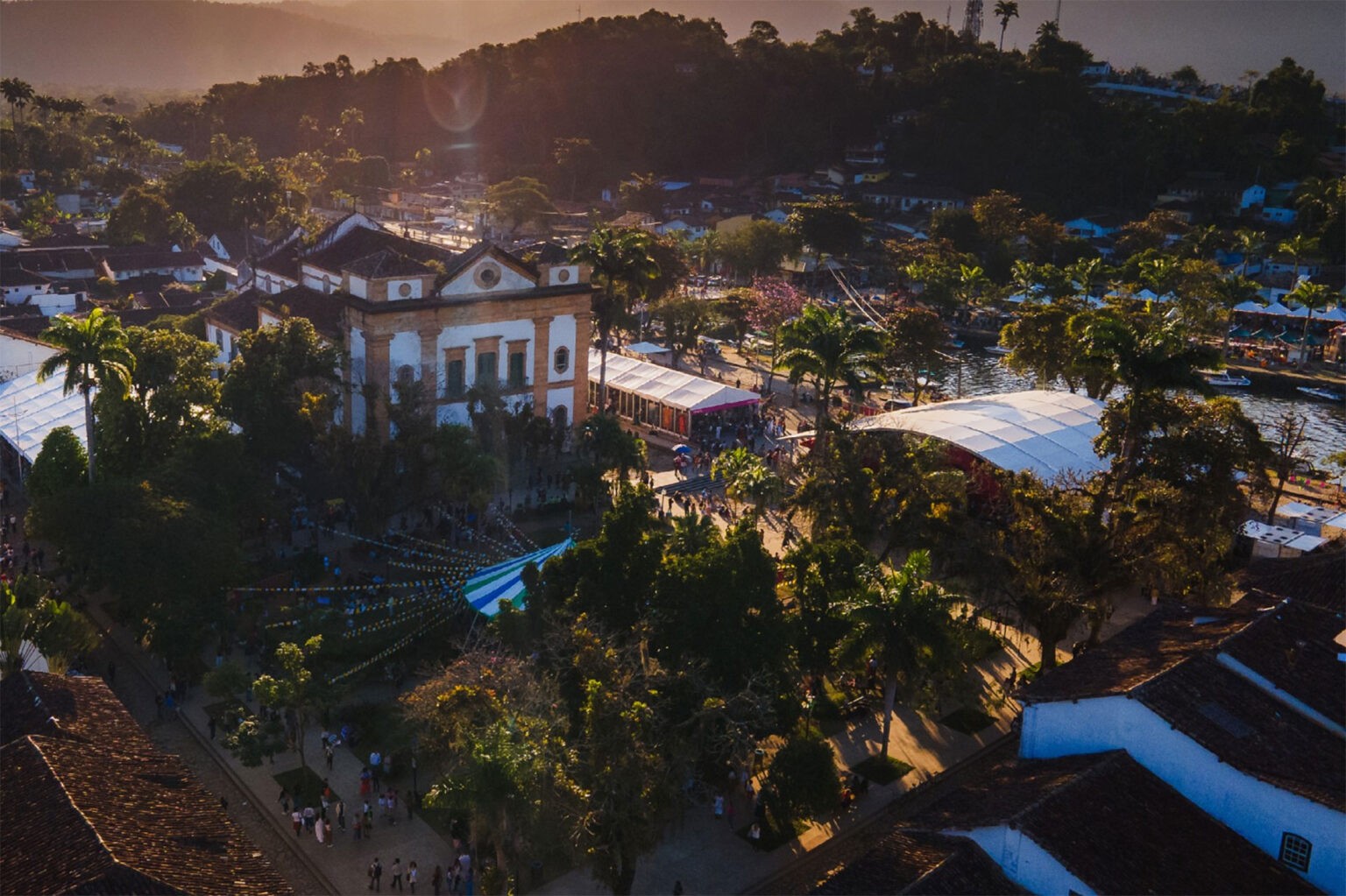
The 24th edition of the International Literary Festival of Paraty (Flip) will take place from July 22 to 26, 2026, in Paraty, Rio de Janeiro. This year's festival will pay tribute to the celebrated Brazilian contemporary poet Orides Fontela. The event will feature 21 literary panels with both national and international authors, including Ana Paula Tavares, Andrea Bajani, Andréa Del Fuego, Andrei Kurkov, Augusto Massi, Bethânia Pires Amaro, and Denise Stoklos. Tickets are available for purchase online, with some sessions already sold out.
Orides Fontela Fritz Nagib, originally from São João da Boa Vista, São Paulo, was a highly regarded poet who studied Philosophy at the University of São Paulo (USP). Her notable works include "Alba," which won the Jabuti Prize in 1983, and "Teia," awarded by the São Paulo Association of Critics (APCA) in 1996. Other titles by Fontela include "Transposição," "Helianto," and "Rosácea." She passed away in 1998 at the age of 58 in Campos do Jordão, São Paulo, due to cardiopulmonary insufficiency resulting from tuberculosis.
This marks the second consecutive year Flip will honor a poetry author, following the tribute to Paulo Leminski in 2025. Flip, recognized as a cultural heritage site in Rio de Janeiro state and Paraty city since its inception in 2003, draws cultural and literary figures for discussions and activities. It also promotes reading through an educational program for children and young people, culminating in the Flipinha and FlipZona events.
The Flip literary festival's decision to honor Orides Fontela in 2026, following a similar tribute to Paulo Leminski in 2025, highlights a growing trend in literary events to spotlight influential poets, potentially broadening audience engagement with poetry. This focus on poets, rather than solely novelists or broader literary figures, could signal a strategic effort to elevate the profile of poetic expression within the mainstream literary circuit. The festival's continued success and cultural recognition suggest a robust model for literary programming that balances established figures with contemporary voices, fostering both intellectual discourse and community engagement. Future editions might explore how such thematic focuses impact author visibility, reader demographics, and the overall economic and cultural footprint of literary festivals in an increasingly digitalized world.
AI-generated to prompt reflection — not editorial opinion, not advice, not a statement of fact. How this works.