Paraty Literary Festival 2026 Unveils Free Youth and Educational Programs
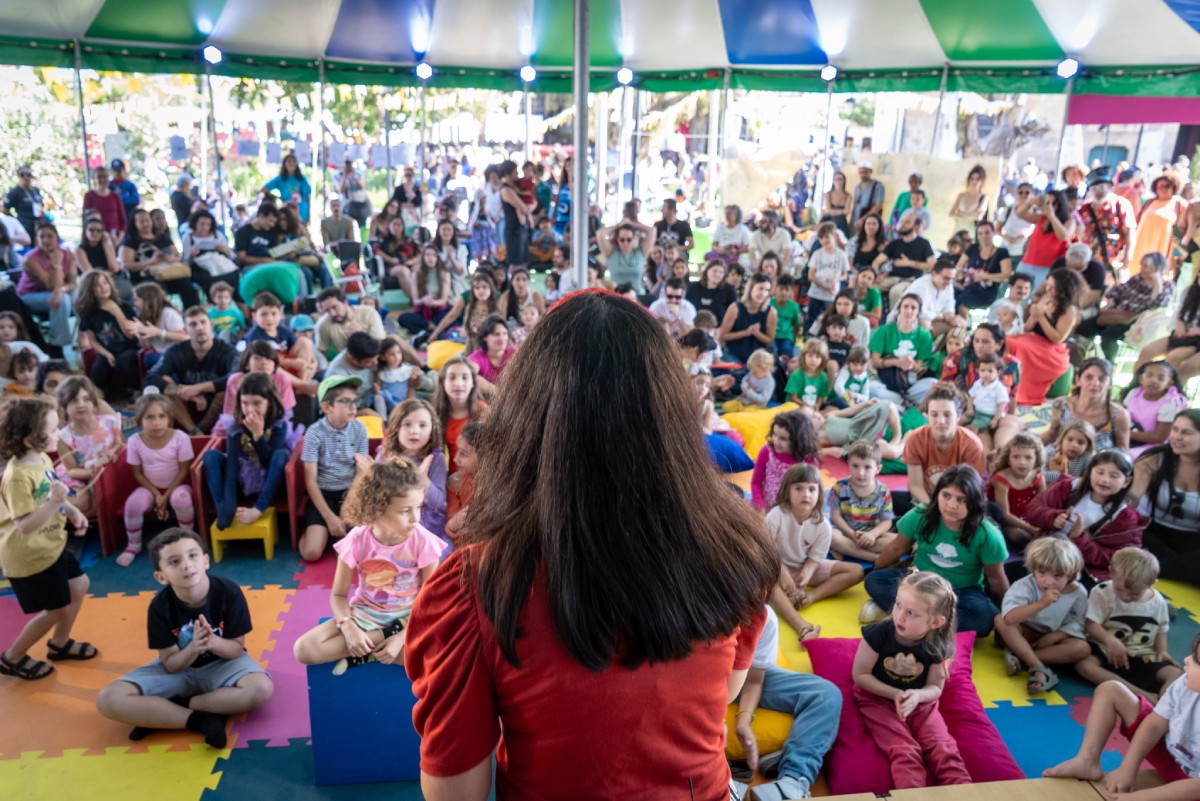
The 2026 Paraty International Literary Festival (Flip) will feature its educational components, Flipinha and FlipZona, from July 23 to 26. These programs offer over 40 free activities across various locations in Paraty, including squares, schools, and cinemas, targeting children, youth, families, and educators. The initiative is structured around three main areas: Flipinha, FlipZona, and FlipEduca. These spaces are designed to host writers, illustrators, researchers, and artists for literary encounters, workshops, film screenings, and artistic performances. Organizers emphasized a commitment to diversity, with a notable inclusion of indigenous female authors and writers from Afro-Brazilian culture, reflecting contemporary Brazilian literature. The visual identity for Flipinha and FlipZona was developed through collaborative workshops with public school students from the region. Notable guests include Míriam Leitão, Valter Hugo Mãe, Éric Chacour, Vitor Martins, Edmilson de Almeida Pereira, Madu Costa, Eva Potiguara, and Gabriela Romeu. The detailed schedule includes daily activities like "Pés de Livro" and "Jovem Repórter," alongside specific events for each day, such as literary meetings, storytelling sessions, capoeira rodas, and formative encounters on topics ranging from "Literatura negra na escola" to "Literatura LGBTQIAPN+ na escola."
The Flipinha and FlipZona programs highlight a strategic effort to cultivate literary engagement among younger demographics and educational professionals. By offering free, diverse programming and involving local students in the event's visual identity, the festival aims to foster a deeper connection with the community and promote cultural inclusivity. This approach, focusing on participatory elements and diverse representation, can be seen as a forward-thinking strategy to ensure the long-term relevance and impact of literary festivals in an increasingly digital and fragmented media landscape. The emphasis on contemporary Brazilian voices, particularly indigenous and Afro-Brazilian authors, addresses historical underrepresentation and enriches the cultural discourse, aligning with broader societal movements towards greater equity and recognition.
AI-generated to prompt reflection — not editorial opinion, not advice, not a statement of fact. How this works.