Parents' Grief Turns to Joy as Baby Declared Dead Found Alive
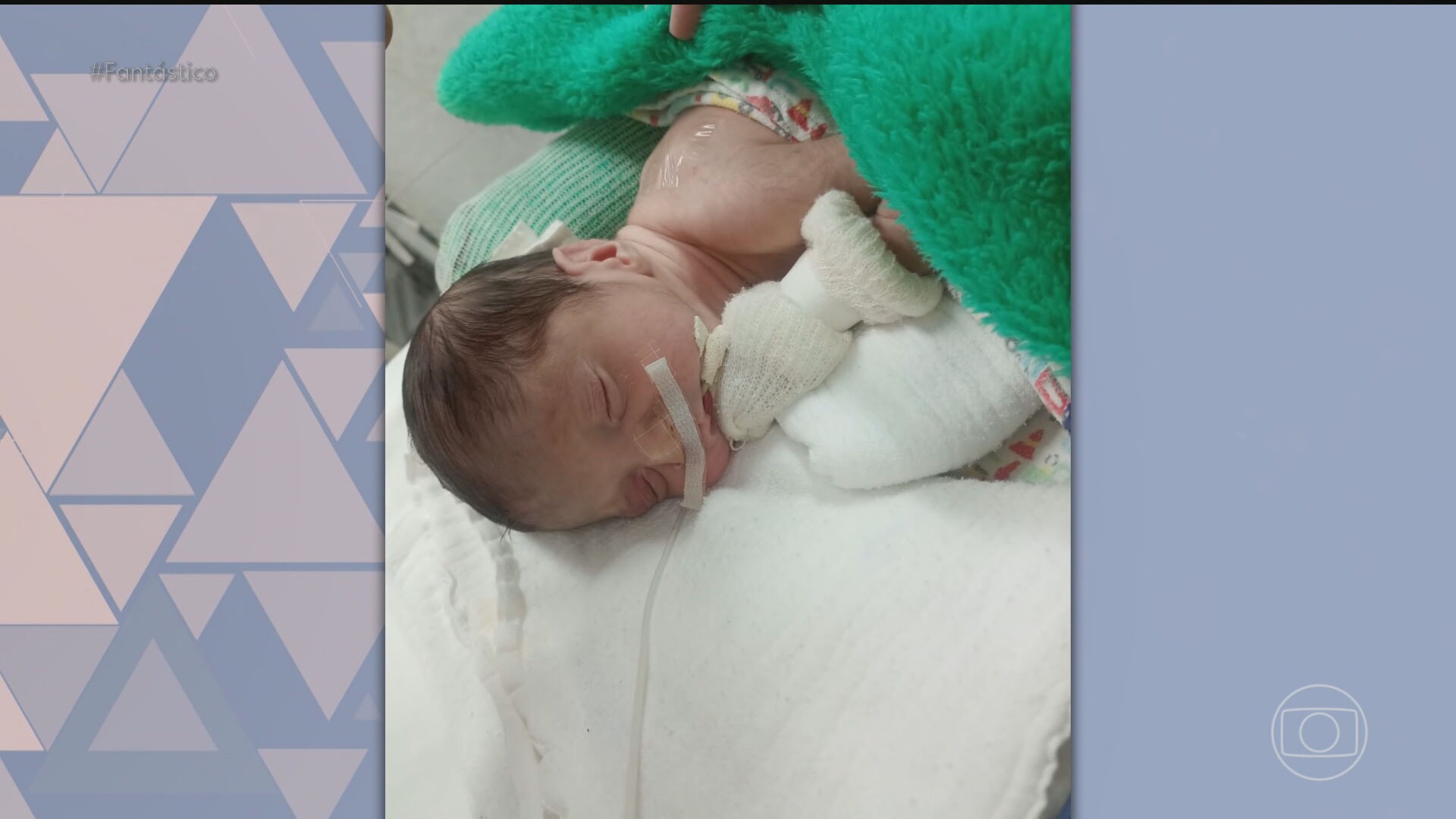
Parents José Nildo dos Santos and Letícia da Cruz Santos experienced profound grief and began funeral preparations after their newborn son, Noah, was declared dead following two cardiac arrests. The hospital had issued a death certificate and the couple had contracted services for the wake, burial, coffin, and flowers. However, their despair turned to disbelief and joy when funeral home employees discovered Noah showing signs of life in the morgue. The funerary agents heard movement and sounds of breathing from within the body bag, prompting them to alert hospital staff. Noah was immediately returned for medical attention, and his parents were called back to the hospital to find their son alive. The medical director of Santa Casa de Araçatuba, Marco Aurélio Mestrinel, stated that the hospital has found no explanation for the event, which is being investigated by the institution's ethics committee. Noah was born prematurely at 35 weeks due to low heart rate, with a pre-existing diagnosis of cleft palate identified during pregnancy. He spent his first month in the neonatal intensive care unit. After the declaration of death, which followed over 40 minutes of resuscitation efforts, the parents were allowed to see their son, whom they believed had passed away. The incident has intrigued medical professionals, with specialists suggesting the extremely rare Lazarus Syndrome as a potential, albeit unusual, explanation, as Noah reportedly showed signs of life hours after resuscitation attempts ceased, far exceeding the typical timeframe of minutes. Noah has since been transferred to another hospital for specialized care and is reportedly showing clinical improvement, though he remains intubated.
This extraordinary event highlights the critical need for robust protocols in medical declarations of death, particularly in complex neonatal cases. While the reported Lazarus Syndrome offers a physiological hypothesis, the extended timeframe involved suggests potential systemic issues in the resuscitation and confirmation process. The hospital's internal investigation and ethics committee review are crucial steps. Moving forward, institutions should consider implementing enhanced monitoring or secondary confirmation procedures for critical patients, especially neonates, to mitigate the profound emotional and practical distress experienced by families in such circumstances. This incident underscores the importance of continuous medical education and the integration of emerging research on rare physiological phenomena into clinical practice, ensuring that technological and biological uncertainties are managed with both scientific rigor and profound human empathy.
AI-generated to prompt reflection — not editorial opinion, not advice, not a statement of fact. How this works.