Parents Mistakenly Believe Child is Talented in Art and IT
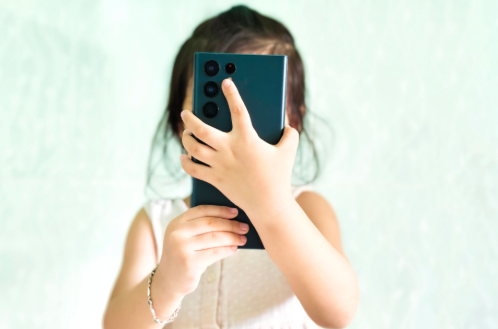
A couple mistakenly believed their child possessed talents in both art and information technology. They concluded their child had a gift for painting upon observing them drawing. Similarly, seeing their child skillfully use electronic devices led the parents to believe the child was proficient in technology. These assumptions were based on superficial observations of the child's engagement with these activities. The parents' interpretation highlights a common tendency to project perceived abilities onto children based on limited evidence. This situation underscores the importance of deeper assessment beyond initial impressions when evaluating a child's potential skills. The parents' perception was formed by equating familiarity with mastery, a distinction that can lead to misjudgments about a child's true aptitudes.
This situation illustrates a common cognitive bias where parents interpret a child's engagement with activities as innate talent. Observing a child's interaction with art supplies or electronic devices can be easily mistaken for advanced skill or aptitude. This perception, while well-intentioned, may not accurately reflect the child's actual capabilities or potential for development in these areas. It highlights the difference between surface-level familiarity and genuine mastery, suggesting a need for more nuanced observation and assessment to understand a child's true strengths and interests. Over time, such misinterpretations could influence educational choices or parental expectations, potentially misaligning with the child's developmental trajectory.
AI-generated to prompt reflection — not editorial opinion, not advice, not a statement of fact. How this works.